

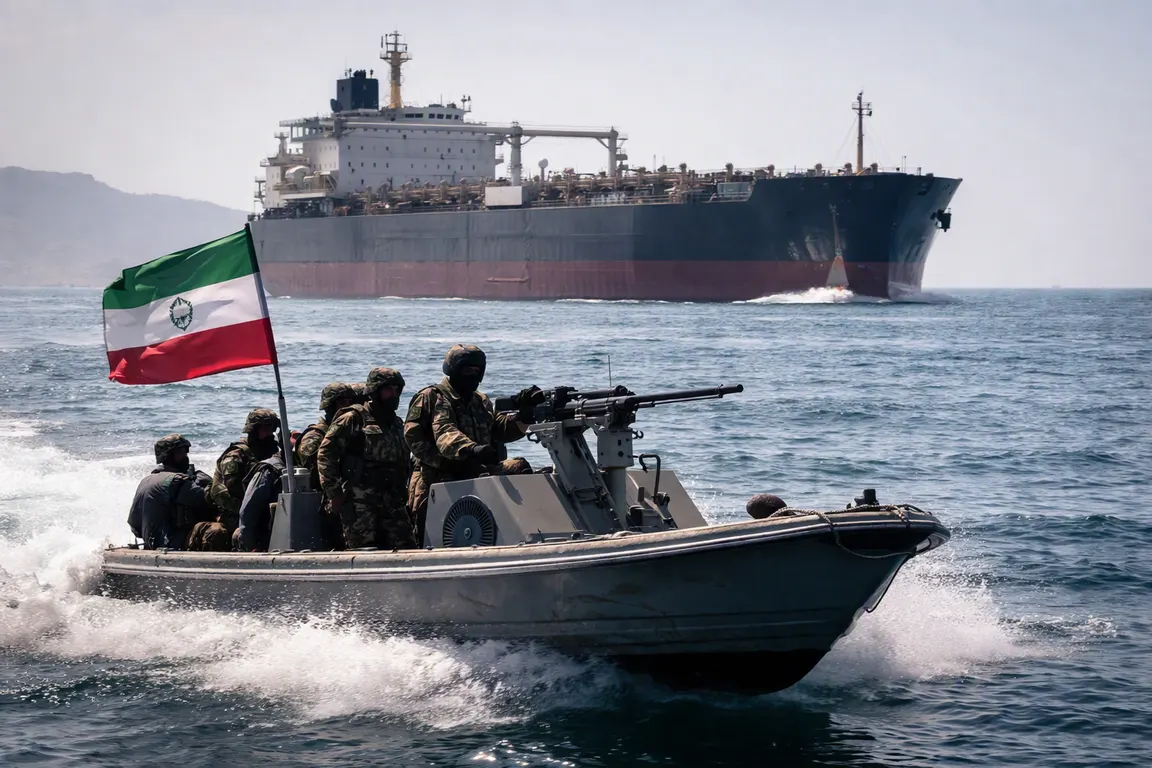
The closure of the Strait of Hormuz by Iran's Revolutionary Guards has led to a significant rise in Brent crude prices, affecting global markets and posing a challenge to regional stability. This development matters now because the blockade has driven up prices for American voters, creating a political headache for the US administration.
The US and Iran are engaged in a war of words over the blockade, with Iran insisting that the strait will not be reopened without major US concessions, including the lifting of sanctions and compensation for war damage. Iran is also seeking to charge tolls for passage through the strait, which is a critical waterway for global oil trade.
The blockade has been in place for several weeks, with no clear end in sight. The situation is further complicated by a joint defence agreement signed between Saudi Arabia, Turkey, and Pakistan, which includes a NATO-style clause. As the standoff between the US and Iran continues, the global oil market is holding its breath, with the fate of regional stability hanging in the balance.
The people of Yemen are also affected, with the Houthi rebels declaring a parallel maritime blockade on Saudi ports. The US administration is under pressure to respond to the rising oil prices, which could have a significant impact on the economy. The terms of the US-Iran negotiations over the Strait of Hormuz blockade remain unclear, and it is uncertain how the blockade will affect global oil prices and the economy in the long term.
The implications of the joint defence agreement between Saudi Arabia, Turkey, and Pakistan are also yet to be seen. As the situation unfolds, the world is watching to see how the US administration will respond to the rising oil prices and the political headache it is creating. The US administration must balance its response to the blockade with the need to maintain regional stability and protect American economic interests.