

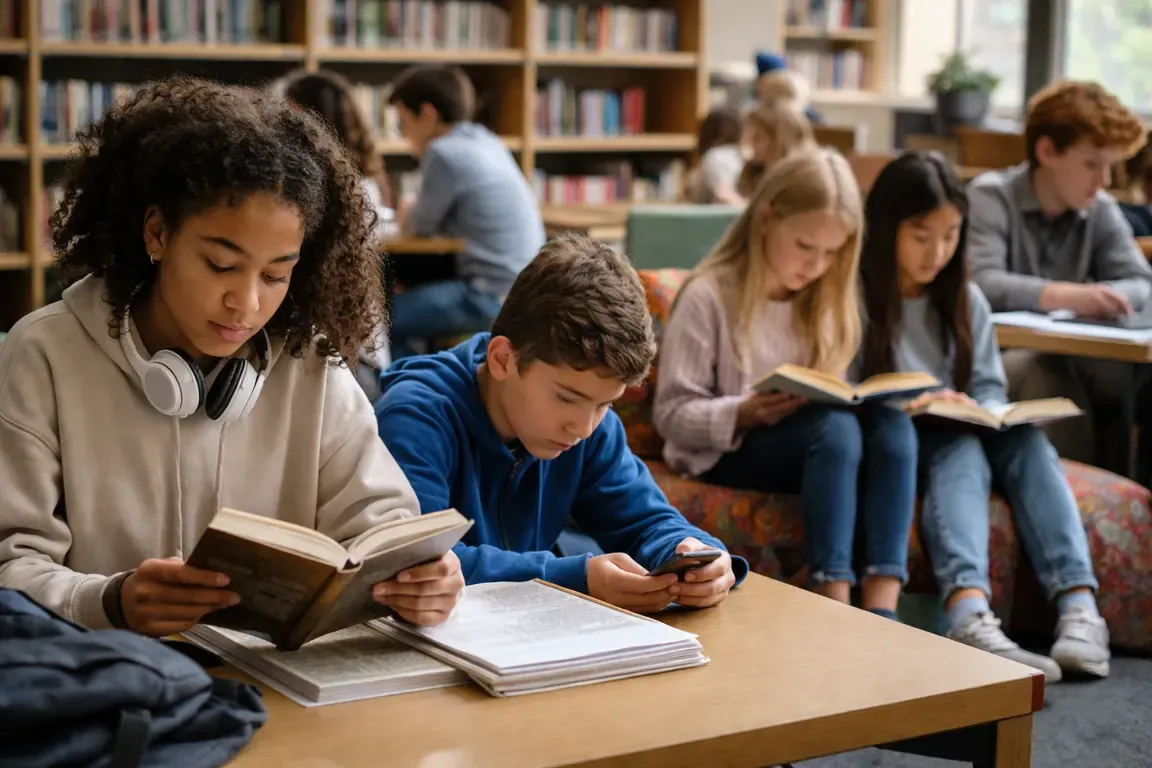
A recent report from a literacy charity found that more than one in three children and teenagers enjoy reading in their spare time, according to BBC News, highlighting the varying reading habits among young students. However, data from the Education Department, cited by NBC News, shows a decline in the number of 9- and 13-year-olds who read for fun almost every day. This contrast highlights the complex nature of reading habits among young students.
The available data suggests that 9-year-olds have made progress in math and reading, despite pandemic-era school closures, as reported by NPR. In contrast, 13-year-olds have not shown the same progress in these subjects. The sources present conflicting information, with some indicating an uptick in reading enjoyment and others reporting a decline in reading for pleasure.
The discrepancy between these trends raises questions about the underlying causes of the contrasting reading habits among young students. Understanding these causes is crucial, as reading habits can impact academic performance, future opportunities, and the broader education system and economy. Students who read regularly tend to perform better academically, making it essential to support and promote reading for pleasure among young students.
The emergence of a new generation of readers may be underway, but the picture is complicated by conflicting data on reading habits. To address this issue, further research is needed to identify the factors contributing to the decline in reading for pleasure among some age groups. Additionally, exploring ways to build on the progress shown by 9-year-olds can help promote reading for pleasure among young students.
The implications of these trends for the broader education system and economy are significant. Ensuring that young students develop a strong foundation in reading and math is crucial for their future success. By understanding the underlying causes of the contrasting trends in reading habits, educators and policymakers can work to address the issue and support the development of a new generation of readers.
Ultimately, the nature of reading habits among young students requires a nuanced approach. By conducting further research and exploring ways to promote reading for pleasure, educators and policymakers can help ensure that young students develop the skills they need to succeed academically and beyond.