

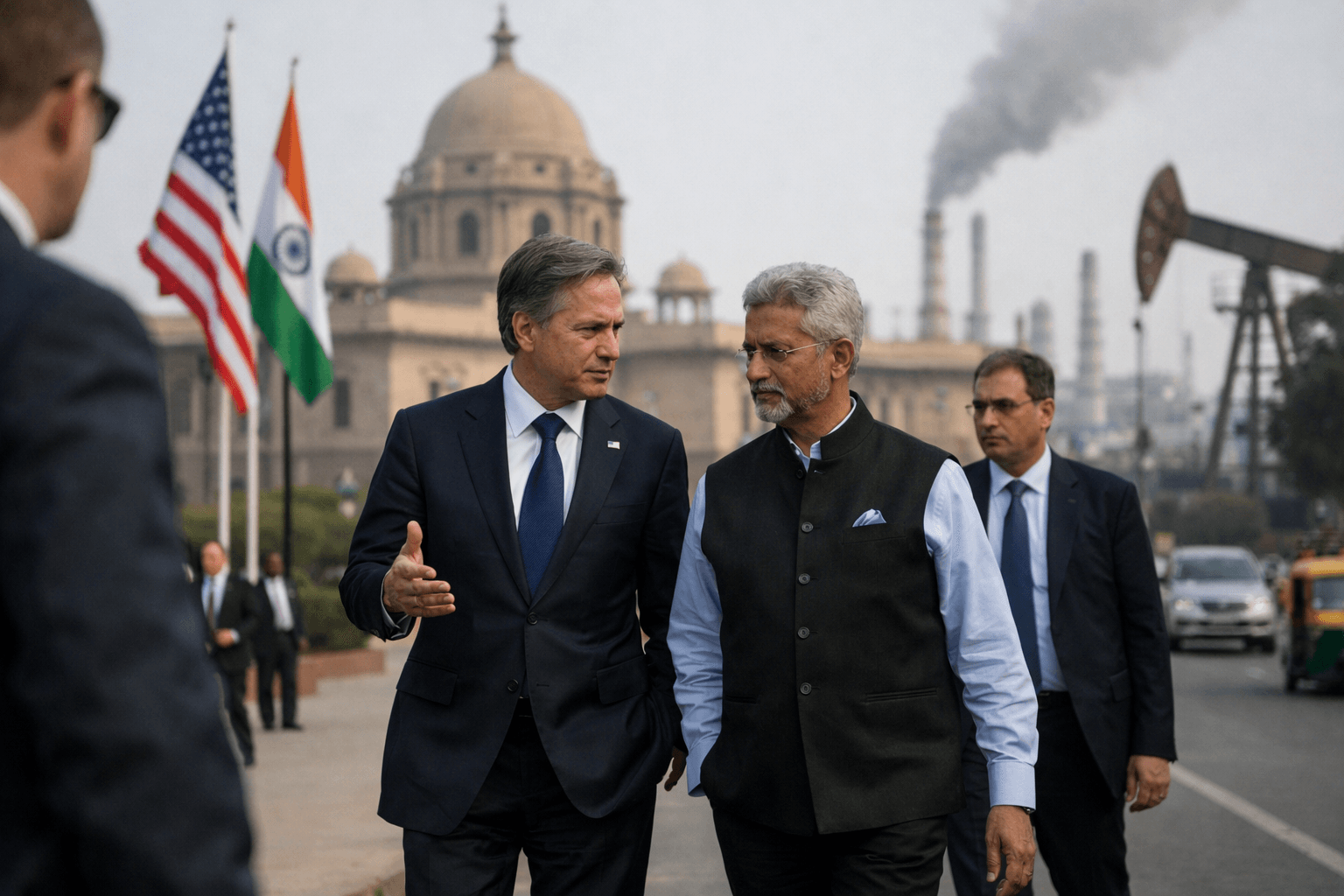
The United States is attempting to reset its strained ties with India, a critical juncture in the delicate diplomatic dance between the US, India, and China. With the US-Israel war with Iran sending global oil prices soaring, the US is seeking to balance its relationships with India and China, while also addressing the energy needs of a growing Indian economy. Secretary of State Marco Rubio's four-day visit to India comes just a week after President Trump's warm summit with China, which has raised concerns in India about the US's commitment to their relationship.
The US and India have historically been key partners, but recent developments have raised questions about the future of their relationship. The US has imposed punitive tariffs on India in the past, but eased them under a trade deal, and is now seeking to strengthen economic ties with the country. India's fast-growing economy is heavily reliant on energy imports, and the US is seeking to sell more oil to India, which has been impacted by the US-Israeli attack on Iran.
The visit is also significant as it comes ahead of a gathering of foreign ministers from the Quad countries, which includes Australia, India, Japan, and the US. The Quad meeting is seen as a counterweight to China's growing presence in the Indian Ocean, and has been viewed with suspicion by China. Rubio's visit to the headquarters of Mother Teresa's charity in Kolkata, where he prayed over her tomb and spoke about aiding the homeless and terminally ill, is seen as a symbolic gesture of the US's commitment to shared values with India.
The impact of the US's attempts to reset its ties with India will be felt by ordinary Indians, who are already struggling with the effects of the global oil price shock. Taxi drivers and small business owners are feeling the pinch of higher fuel costs, while Indian farmers and manufacturers are struggling to compete with cheaper imports from other countries. The US's imposition of punitive tariffs on India has affected the livelihoods of many Indians, and the country is seeking assurances that the US is committed to their economic growth.
As Rubio meets with Prime Minister Narendra Modi and other Indian leaders, he will need to address these concerns and convince India that the US is a reliable partner. The visit is also significant for the region, as it comes at a time of growing tensions between the US and China. The Quad meeting is seen as a key moment in the balance of power in the region, and the US will need to navigate its relationships with both India and China carefully. The potential risks and benefits for India in deepening its ties with the US are significant, and the country will need to weigh its options carefully.
The US-India relationship is at a critical juncture, and the next steps will have significant implications for the region. The US will need to balance its relationships with India and China, while also addressing the energy needs of a growing Indian economy. As the visit comes to a close, one thing is clear: the US-India relationship is at a crossroads, and the outcome will have far-reaching consequences for the region.