

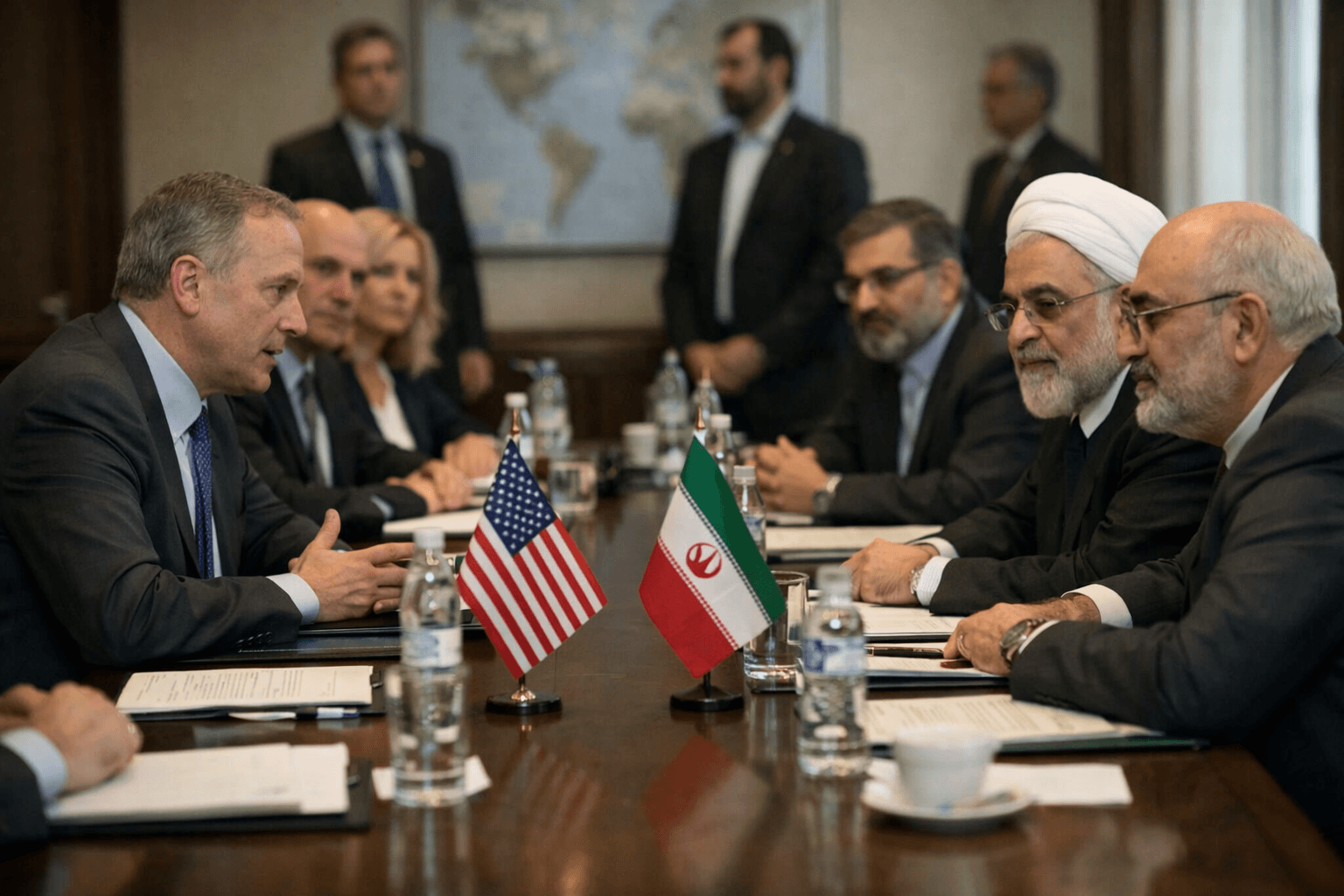
The US and Iran are engaged in high-stakes negotiations, with President Donald Trump pushing for a guarantee that Iran will not develop nuclear weapons. The talks are at a critical stage, with the outcome having significant implications for global oil supplies and the economy.
Trump has sent a new framework to Iran with tougher terms, which includes stopping Iran from developing nuclear weapons and re-opening the blockaded Strait of Hormuz. Iran has said it requires the release of $12 billion in frozen assets before moving to substantive talks. The US and Iran have been engaged in talks since a temporary ceasefire in April.
The Strait of Hormuz blockade has choked international oil supplies and threatened the global economy with rising prices. The ongoing conflict and blockade are affecting global oil supplies, threatening the economy, and causing humanitarian concerns in Lebanon and Iran. Meanwhile, Israel has expanded its ground offensive in Lebanon, with Prime Minister Benjamin Netanyahu saying Israeli forces have pushed more than 30 kilometers into the country.
Trump's priorities for any deal include stopping Iran from developing nuclear weapons and re-opening the blockaded Strait of Hormuz. However, there is disagreement between sources on the specifics of Trump's proposal and the likelihood of a deal, with some sources suggesting that Tehran may take days to respond to the tougher terms.
The international community is watching the negotiations closely, with the fate of the global economy and the Middle East hanging in the balance. As the talks between the US and Iran continue, the key question remains: will Iran agree to Trump's terms, and what will be the implications of a potential deal for the global economy and regional stability?