

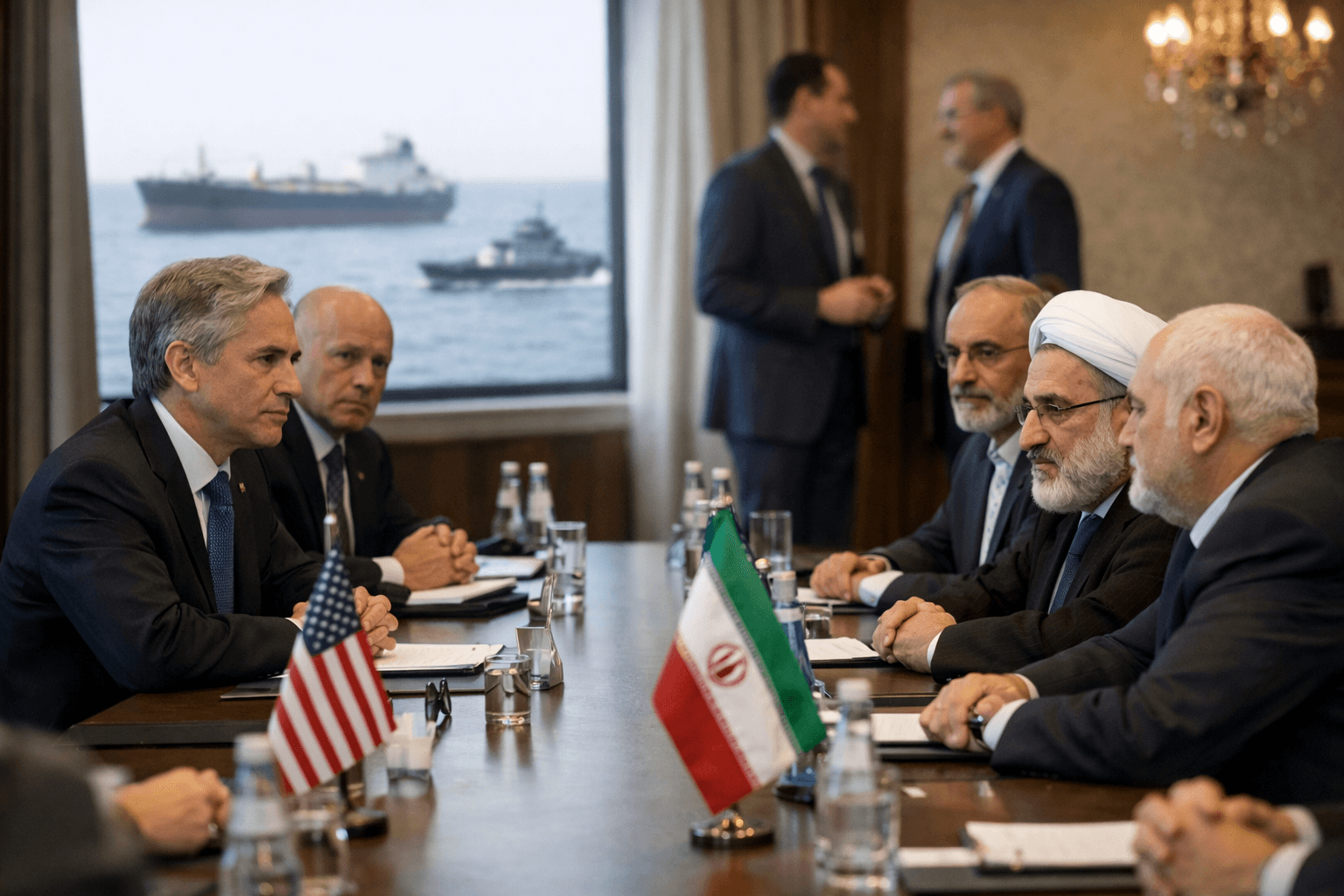
The United States and Iran are nearing a preliminary peace agreement that could extend the current ceasefire, reopen the Strait of Hormuz, and initiate negotiations on Iran's nuclear program. This potential deal aims to ease tensions in the Middle East, restore oil flows, and mitigate the economic impact of the conflict. However, its success hinges on approval from President Trump and cooperation from both parties.
The proposed agreement would allow for the reopening of the Strait of Hormuz, a crucial oil shipping route, and the lifting of US naval blockades if commercial traffic resumes. Iran would be required to remove all mines within 30 days, and the US would permit travel for religious pilgrimage and humanitarian reasons. According to US officials, negotiations have made significant progress, but President Trump has not yet approved the deal.
The conflict has disrupted oil flows, causing economic hardship in the region. A successful deal could impact global energy prices, inflation, and the livelihoods of people in the Middle East. The US and Iran have been negotiating a 60-day memorandum of understanding, which began with US-Israeli strikes on Iran, followed by a fragile ceasefire. The fate of the region hangs in the balance, with the success of the agreement dependent on the ability of both sides to put aside their differences and work towards a lasting resolution.
The key terms of the proposed agreement and the potential obstacles to its success remain uncertain. Iranian sources indicate that the deal would only be considered complete when announced by Tehran, not unilaterally by the US. The reopening of the Strait of Hormuz could significantly impact global oil prices and the economy, but the extent of this impact is still unclear. The next step in the process will be President Trump's approval, which will determine the fate of the preliminary peace deal and the future of the region.
As the US and Iran edge closer to a deal, the international community is watching closely. The success of the agreement could have far-reaching implications for the Middle East and the global economy. While there is uncertainty surrounding the finalization of the deal, the potential for a peaceful resolution to the conflict is a significant development. The US and Iran must now work together to ensure the success of the agreement and create a lasting peace in the region.