

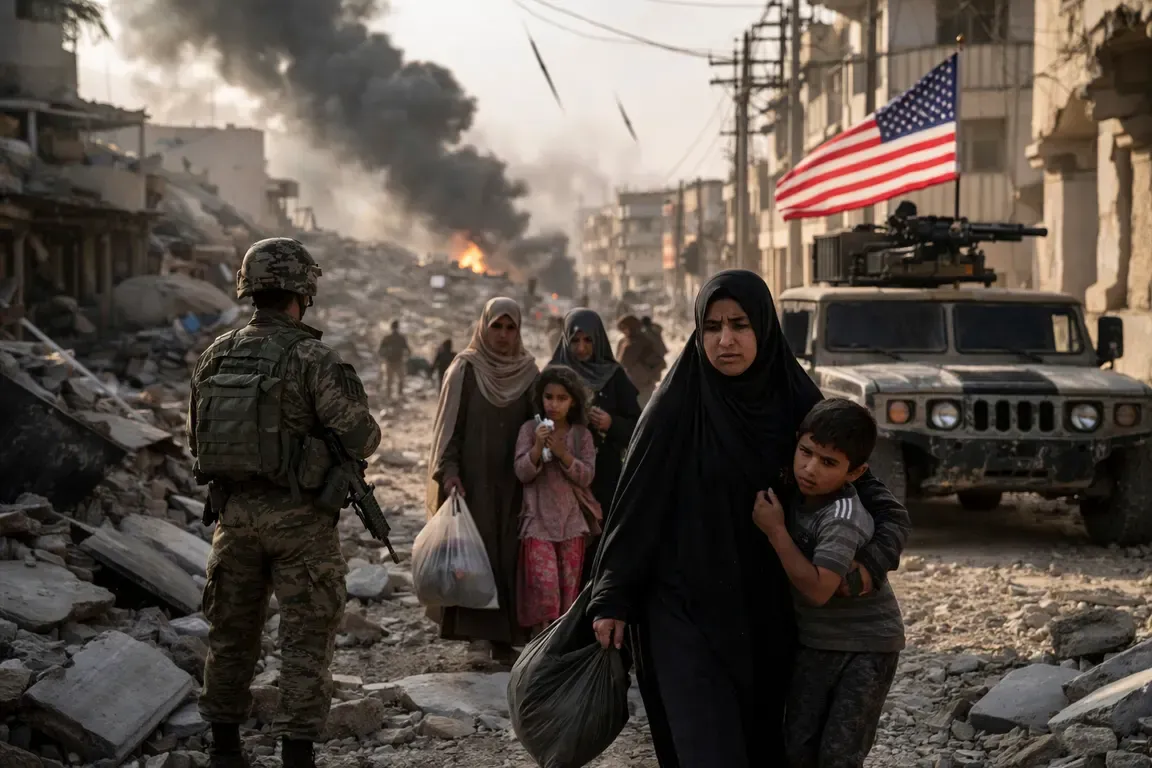
The conflict between the US, Israel, and Iran, referred to as the US Iran Conflict, has entered its 100th day, marked by claims of victory from both sides amidst a deepening global energy crisis and rising civilian casualties. The war has significant implications for global energy markets, regional stability, and the future of Iran's governing system.
The US claims significant progress in targeting Iran's nuclear program and military capabilities, while Iran views its ability to maintain its governing system as a key achievement. World leaders have expressed concern over the conflict's impact, citing the loss of civilian lives and the stalemate that has developed.
According to reports from Al Jazeera, the conflict has triggered a global energy crisis, prompting varied responses from countries around the world. The US and Israel point to military successes, while others see Iran's survival as a notable achievement. The ongoing conflict affects not only global energy markets and regional stability but also the civilian population in Iran, potentially leading to long-term consequences for the country's governing system and the global economy.
As the conflict continues, diplomatic efforts and military attacks persist, and the global energy crisis worsens. The next step for world leaders will be to find a way to end the conflict, but for now, the war remains at a stalemate, with neither side willing to back down. The question of the war's potential outcomes and its impact on Iran's governing system remains unanswered.
The international community continues to monitor the situation closely, awaiting developments that could lead to a peaceful resolution. With the conflict showing no signs of easing, the focus remains on finding a way to end the violence and mitigate the crisis's effects on global energy markets and regional stability.