

Pakistani delegation meets in Tehran hoping for more US-Iran talks before ceasefire ends
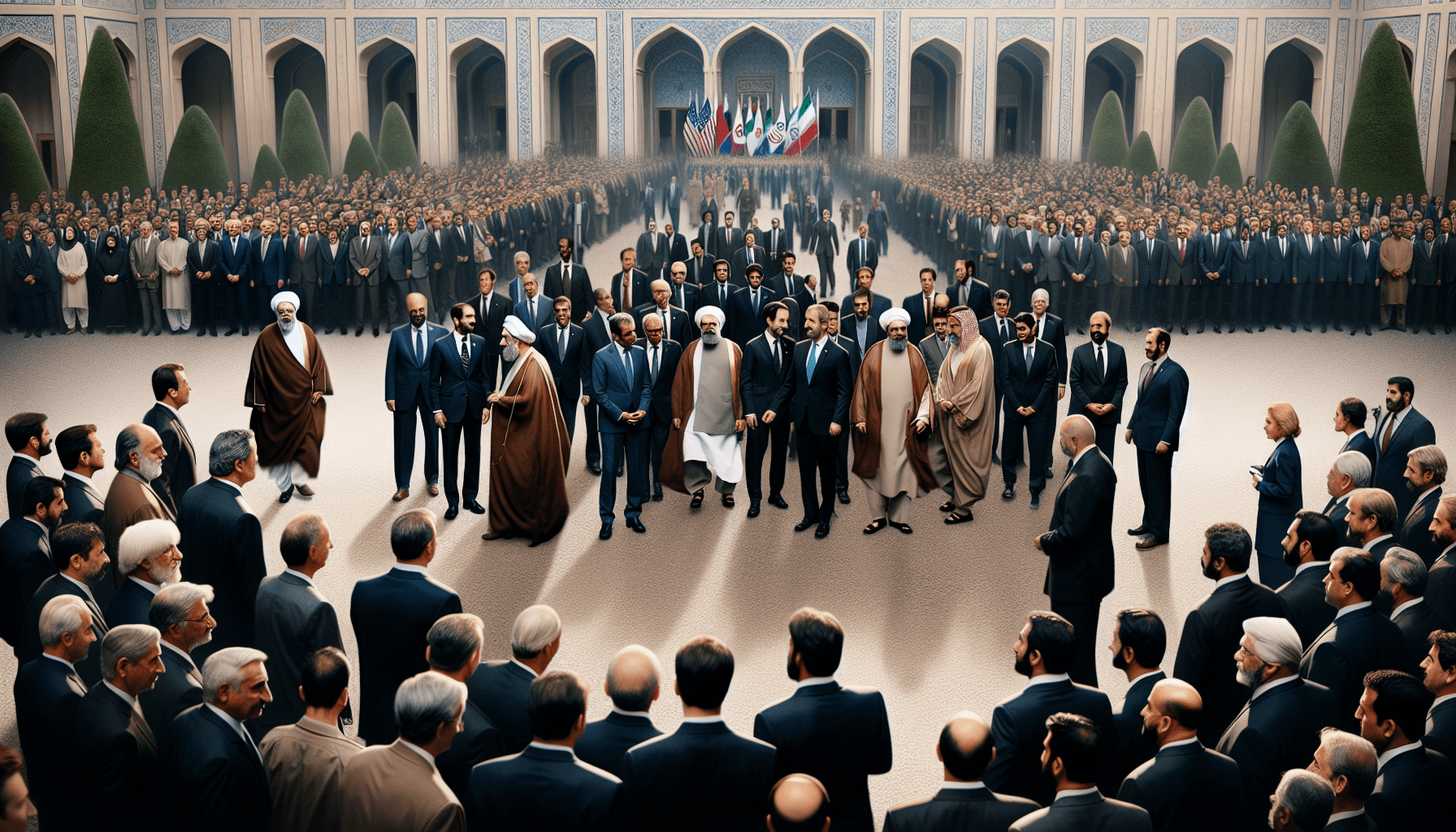
US-Iran Ceasefire Hangs by a Thread as Pakistan Mediates
As the fragile US-Iran ceasefire teeters on the brink of collapse, Pakistan has emerged as a crucial mediator, hosting direct talks between the two nations in a desperate bid to prevent all-out war. With the clock ticking down on the temporary truce, the US has imposed a naval blockade on Iranian ports, aiming to pressure Tehran into a deal. Regional officials confirm that the two sides have reached an "in principle agreement" to extend the ceasefire, but the road to a lasting peace remains fraught with obstacles.
The conflict between the US and Iran began in late February, with the US launching a war against Iran, citing concerns over Tehran's nuclear program. The conflict has since expanded to involve other countries, including Israel and Lebanon, and has had a significant impact on the global economy, with oil prices skyrocketing and trade disrupted. The human toll has been devastating, with at least 3,000 people killed in Iran, more than 2,100 in Lebanon, 23 in Israel, and over a dozen in Gulf Arab states.
The key sticking points in the US-Iran negotiations center on Iran's nuclear program and the Strait of Hormuz. Iran has proposed suspending its nuclear activity for five years, but the US has rejected this offer, instead seeking a 20-year suspension of Iran's uranium enrichment program. The US naval blockade has cut off maritime trade with Tehran, with no ships making it past the blockade since it was imposed. This has had a crippling effect on Iran's economy, with vital economic lifelines severed and many left without access to basic goods and services. Pakistan's army chief, Asim Munir, has met with Iran's foreign minister, Abbas Araghchi, in Tehran to discuss the ceasefire and potential negotiations, underscoring Pakistan's determination to broker a peace deal.
The conflict has far-reaching implications for the global economy and regional stability. The US has warned countries and private companies that they could face sanctions for doing business with Tehran, further isolating Iran and limiting its economic options. As the situation continues to unfold, the international community holds its breath, hoping that Pakistan's mediation efforts and the US-Iran talks will yield a lasting peace. The fate of the Middle East and the global economy hangs precariously in the balance, as the world waits with bated breath to see if the fragile ceasefire will hold, or if the region will plunge into all-out war.
The coming days will be crucial in determining the outcome of the conflict, as the US and Iran engage in a high-stakes game of cat and mouse. With the ceasefire hanging by a thread, the international community can only hope that diplomacy will prevail, and a lasting peace will be achieved. The consequences of failure are too dire to contemplate, with the potential for widespread destruction, human suffering, and economic chaos. As the clock ticks down, the world waits anxiously to see if peace will prevail, or if the region will be plunged into chaos.