

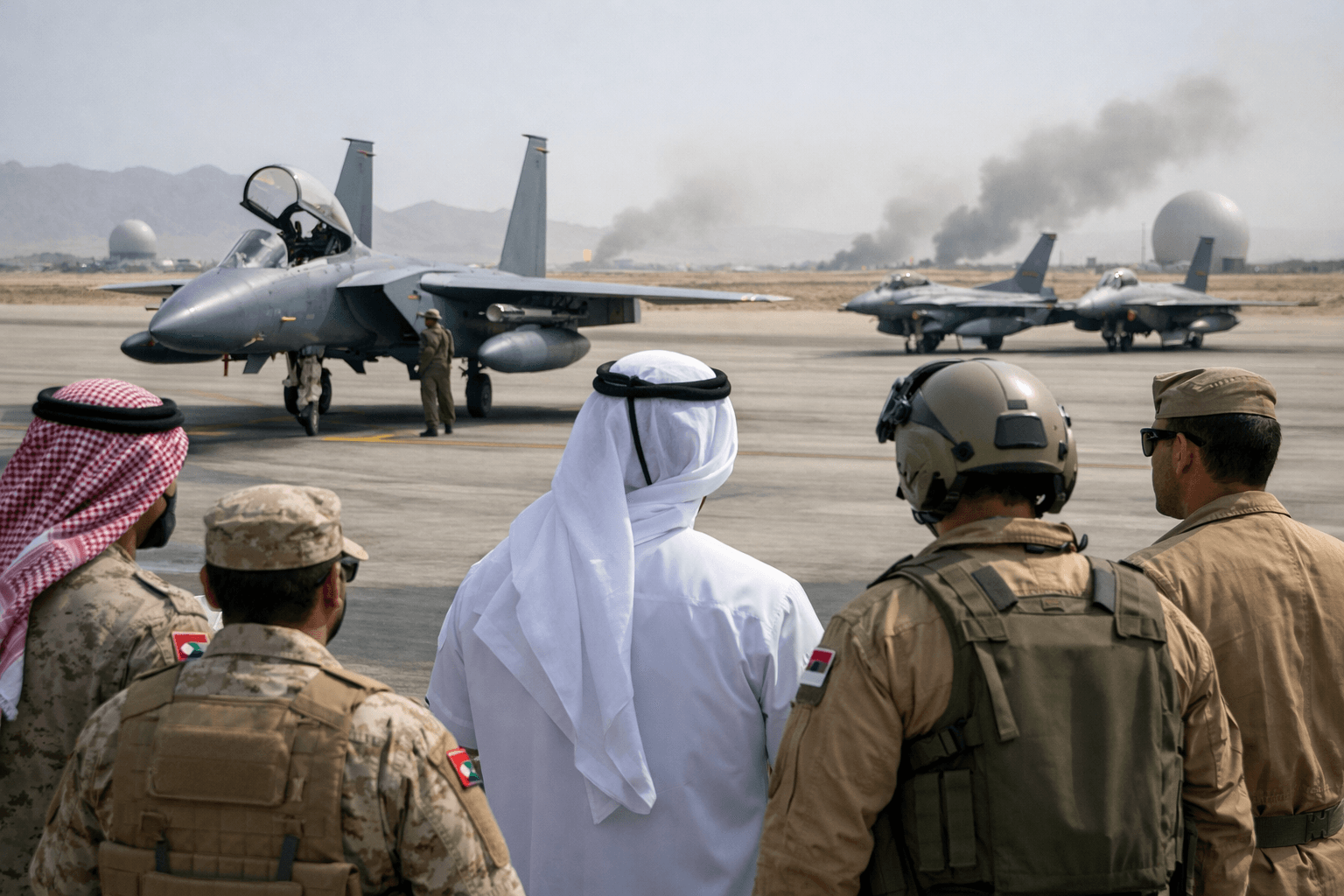
The conflict between Iran and the US, along with its allies, has escalated significantly, with Iran targeting countries in the Gulf Cooperation Council, including the UAE, Saudi Arabia, Oman, and Qatar, amid the ongoing US Iran conflict. This assault has prompted a unified response from the GCC states, demonstrating Gulf solidarity.
The US and Israel are conducting an air war against Iran's nuclear program, aiming to destroy it and potentially force regime change. The conflict has caused casualties and damage to major airports and iconic tourist spots in the Gulf region. According to the Atlantic Council, the Gulf states' solidarity in response to Iran's assault demonstrates their commitment to regional security.
Geopolitical Futures suggests that the US and Israel's air war against Iran's nuclear program is necessary to prevent catastrophic consequences. However, experts warn that the conflict may have unintended consequences. The Washington Institute experts believe that the US should be prepared for great power competitors to respond to the crisis in various ways.
President Trump's criticism of NATO over its stance on the Iran war has led to divisions within the alliance, according to TVP World. CNN reports that Trump's determination to impose personal power is stirring backlashes and deepening a moment of political vulnerability. The Center for Strategic and International Studies warns that the US-Iran conflict may push Iran toward greater use of hybrid threats, which could have significant implications for global defense and security.
The conflict affects the Gulf region, the US, Israel, and other global powers, with potential consequences for regional stability, global security, and the economy. As the conflict rages on, the international community is left wondering what the potential long-term consequences of the Iran war will be for regional stability and global security. The role of hybrid threats in the conflict is a pressing concern, and the international community must consider how to mitigate their impact.
The US and Israel's air war against Iran's nuclear program is likely to be a key factor in determining the conflict's trajectory. With the conflict showing no signs of abating, the world waits to see how the situation will unfold and what the ultimate consequences will be. The international community will be closely watching the developments in the region, as the conflict continues to escalate and the potential for further violence remains high.