

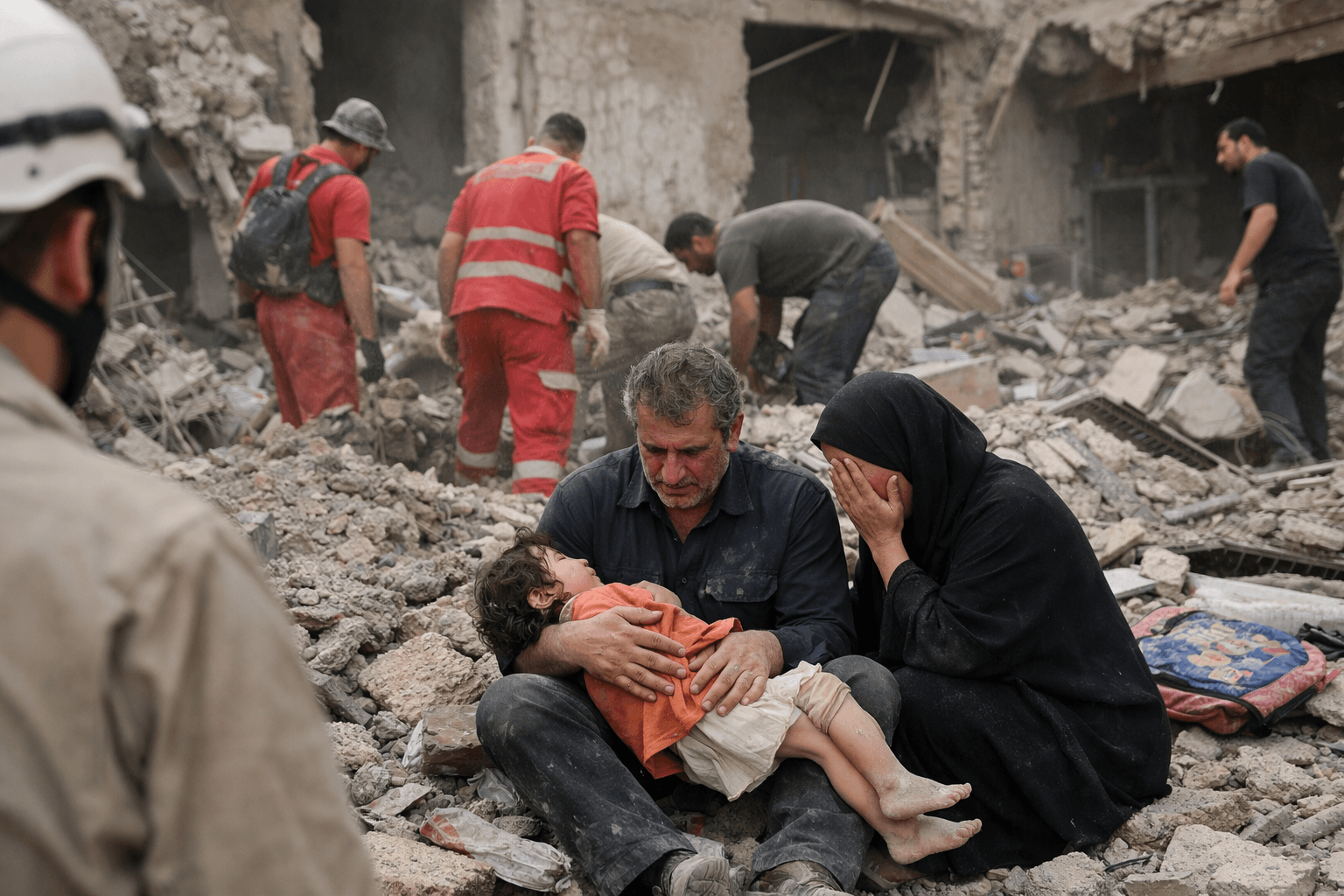
The recent US and Israel's attack on Iran has resulted in significant retaliatory measures, leading to over 1,500 civilian deaths. This includes a reported US strike on an Iranian elementary school, which killed at least 175 people. The escalation of US involvement in global conflicts has far-reaching consequences for US foreign policy decisions, impacting global relations, national security, and public health.
The US government's actions have significant implications, particularly as the country navigates multiple international conflicts, including the Taiwan-China dispute. The restoration of full diplomatic ties with Cuba has eased restrictions on remittances and travel. However, the unveiling of new dietary guidelines has raised concerns, as they recommend products linked to cardiovascular disease, contrary to decades of scientific research, according to the MIT Technology Review.
The Council on Foreign Relations argues that US involvement in international conflicts is necessary to protect its interests and allies. In contrast, critics argue that the new dietary guidelines may put people's health at risk. The US cattle herd has shrunk to a 75-year low, driving unprecedented beef price hikes and market volatility, as reported by Kavout. The long-term consequences of US actions in international conflicts remain uncertain, particularly in the Taiwan-China conflict, which has the potential to impact regional and global stability.
As the US continues to engage in international conflicts, the government must balance its international obligations with domestic priorities, including public health concerns. The US role in global conflicts has sparked debates about the country's foreign policy decisions and their impact on national security. With the US involvement in international conflicts intensifying, it is essential to examine the complexities and nuances of these issues and consider the potential consequences for global relations and national security.
The US government's foreign policy decisions have significant implications for the country's relationships with other nations, as well as its own domestic priorities. As the situation unfolds, it is crucial to monitor the developments and assess the potential outcomes of US involvement in global conflicts. By understanding the complexities of these issues, the US government can make informed decisions that balance its international obligations with domestic priorities, ultimately shaping the country's role in global affairs.