

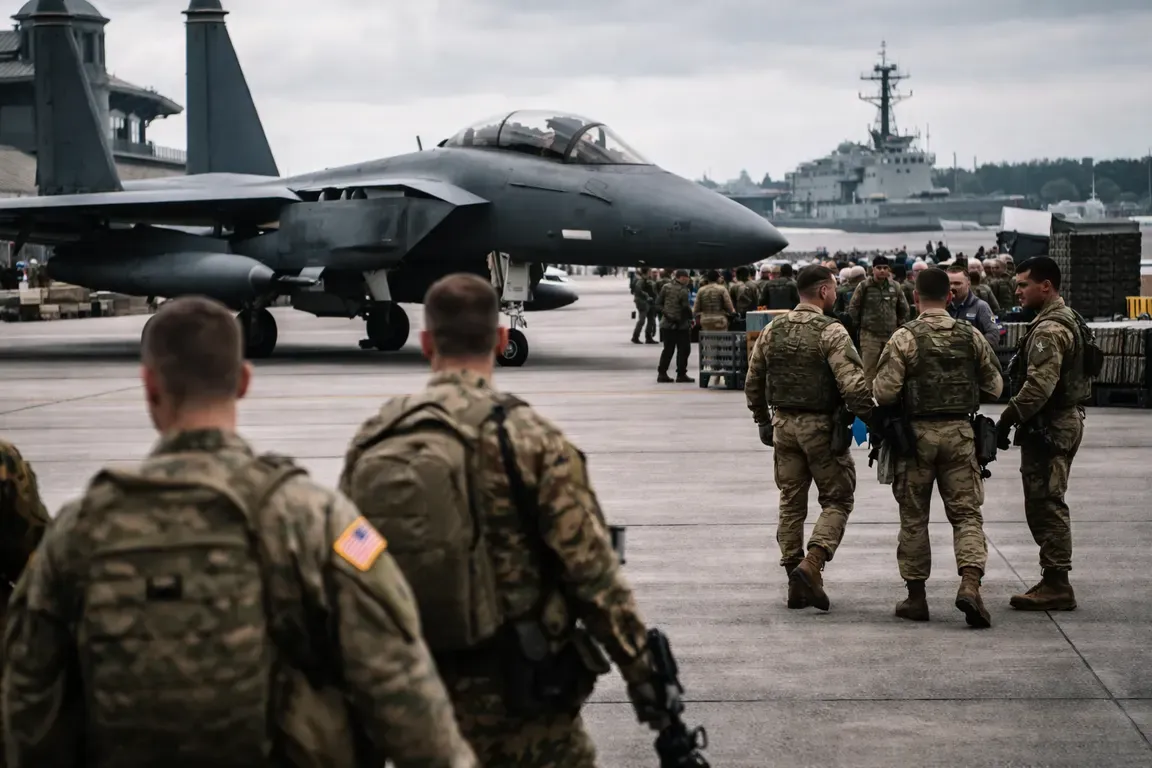
The United States plans to reduce its air and naval assets deployed for US NATO operations in Europe, sparking concerns about European security. This move is part of a broader shift in US focus towards potential threats from China in the Indo-Pacific region.
The reduction in military commitment has prompted NATO to explore alternative defense plans. NATO's supreme allied commander, US Gen. Tod Wolters' successor, US Gen. Christopher Cavoli, is no longer in this position, the current supreme allied commander is US Gen. Alex Grynkewich, stated that the US is still committed to providing limited but critical capabilities to the alliance.
The precise nature of the US cuts remains classified, but media reports suggest an aircraft carrier, aerial refueling planes, and dozens of fighter jets may be withdrawn. NATO is considering alternative plans to defend Europe, including filling gaps with manned and unmanned aircraft and naval vessels from European allies and Canada.
Last month, the Pentagon warned NATO allies about the scaling down of US commitment, and allies met on June 2-3 to assess gaps left by the US move. The reduction in US military assets could affect the security of European citizens, and European countries and Canada may need to increase their military contributions to NATO.
A NATO summit with President Joe Biden and his counterparts is scheduled for July, where the alliance's defense plans will be discussed. The changes in NATO's defense plans may impact the global balance of power, and the potential consequences of the US shift in focus towards the Indo-Pacific region for global stability are still unclear.
As NATO scrambles to find alternative ways to defend the continent, the alliance's ability to respond to potential threats remains a pressing concern. The US decision to reduce its military assets in Europe has significant implications for European security and the future of the NATO alliance.