

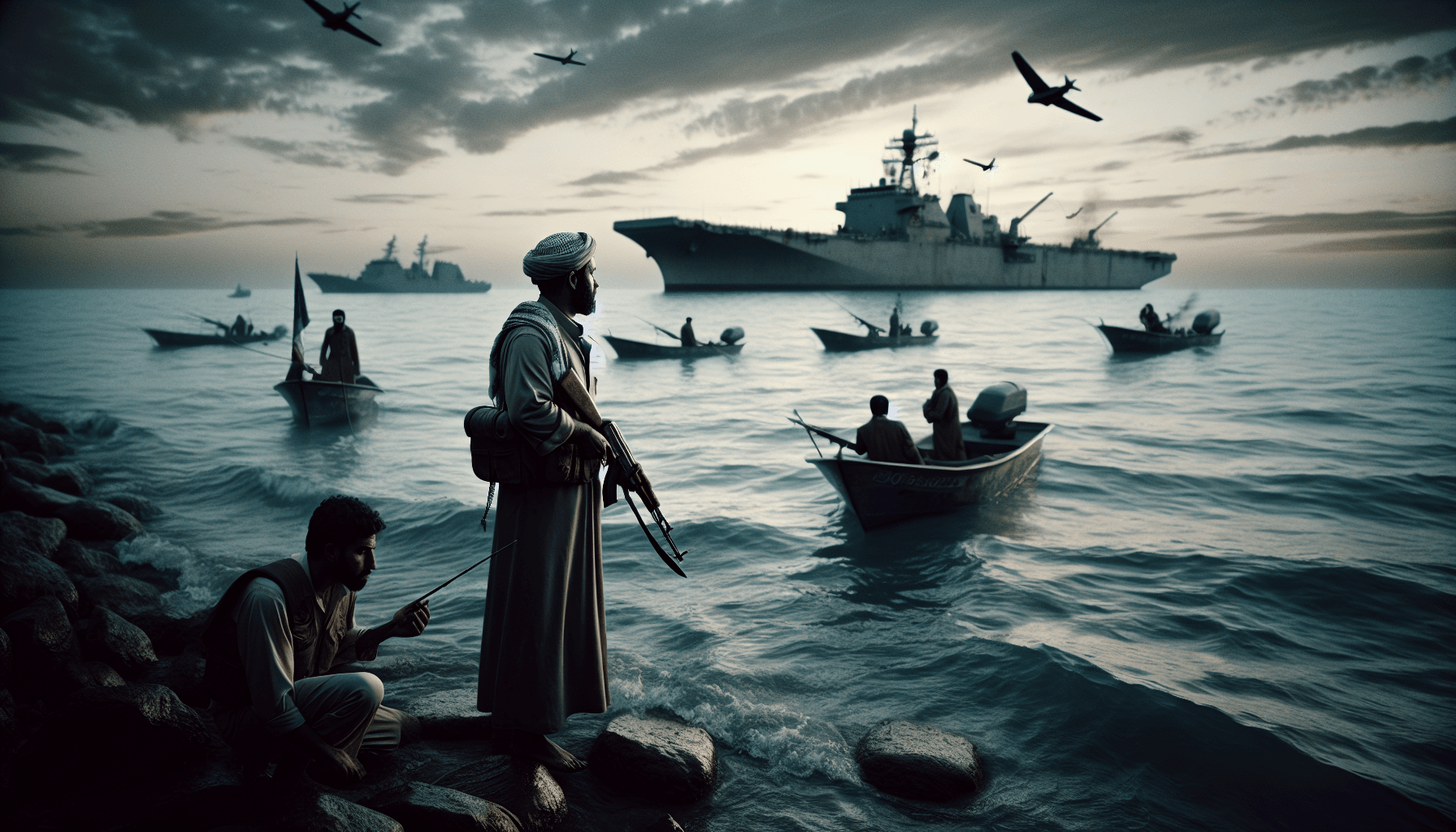
US Navy Blockade of Iran Ports Sets Stage for Catastrophic Confrontation
The high-stakes game of cat and mouse between the US and Iran has reached a boiling point, with the US Navy enforcing a blockade on Iran's ports and the Strait of Hormuz, a critical waterway for global oil shipments. The move has sparked a defiant response from Iran, which has threatened to sink US ships if they attempt to "police" the strait. As the situation escalates, the global energy market is on edge, with oil prices fluctuating wildly and the potential for a wider conflict looming large.
The conflict between the US and Iran began with a US-Israeli war campaign, which prompted Iran to shut down the Strait of Hormuz in retaliation. The US has responded by imposing a naval blockade on Iran's ports, with over a dozen US Navy warships enforcing the blockade on all vessels from all nations entering or leaving coastal areas or ports in Iran. The US Treasury Department has also announced new sanctions against more than two dozen people, companies, and ships linked to Iranian shipping magnate Mohammad Hossein Shamkhani, targeting oil transport infrastructure.
The blockade and sanctions are having a significant impact on the Iranian people, who are already facing economic hardship due to the conflict. Iranian citizens are facing shortages of essential goods, and the blockade is preventing humanitarian aid from reaching the country. The shutdown of the Strait of Hormuz is also affecting global oil prices, which could have a ripple effect on economies around the world. For example, the price of oil has increased by over 10% in the past week alone, and experts predict that it could rise even further if the conflict escalates. The conflict is also affecting the livelihoods of people working in the oil and shipping industries, with many facing uncertainty and potential job losses.
As the situation continues to escalate, the chances of a diplomatic resolution to the conflict seem increasingly slim. The US and Iran are engaged in a war of words, with both sides exchanging threats and imposing sanctions. The US has not extended a temporary sanctions waiver that allowed the sale of Iranian oil already at sea, which had been an attempt to ease pressure on oil prices. Mohsen Rezaei, a military adviser to Iran's supreme leader, has warned that Iran would sink American ships in the Strait of Hormuz if the US decided to "police" the key shipping bottleneck. The US has also imposed sanctions against an Iranian man named Seyed Naiemaei Badroddin Moosavi, described as a financier for the Iran-backed militant group Hezbollah, and three companies linked to a complex money laundering scheme involving the sale of Iranian oil in exchange for Venezuelan gold.
The world is watching with bated breath as the US and Iran engage in a high-stakes game of brinksmanship, with the global energy market hanging precariously in the balance. The potential consequences of a wider conflict are catastrophic, with the possibility of a regional war that could draw in other countries and have a devastating impact on the global economy. As the situation continues to unfold, one thing is certain: the world will be watching the Strait of Hormuz with great interest, and holding its breath in anticipation of what's to come.