

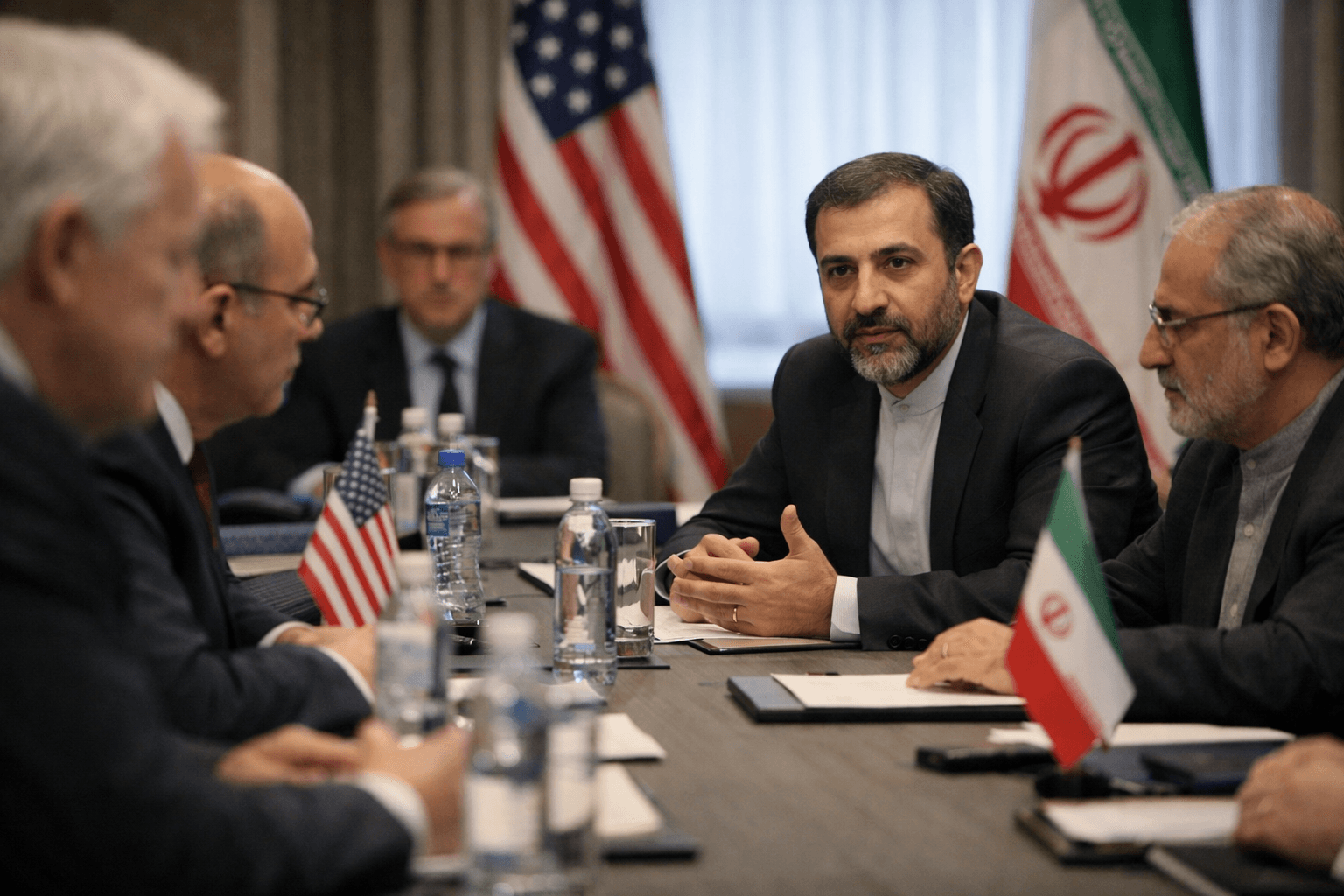
The United States and Iran are engaged in delicate negotiations to end the war, with both parties cautioning that a deal is not imminent, despite progress on many issues. Iranian foreign ministry spokesman Esmaeil Baqaei warned that while understandings have been reached on a large portion of the issues under discussion, significant hurdles remain. The US has demanded an end to Iran's uranium enrichment, a key sticking point in the talks, with discussions on this issue deferred for 60 days after any potential deal. As the negotiations continue, the international community watches with bated breath, aware that the outcome could have far-reaching implications for the region and global security.
The conflict between the US and Iran has been ongoing for decades, with the US imposing sanctions on Iran and Iran developing a nuclear program. The potential deal aims to address these issues and bring an end to the war, but it is a complex and sensitive process that requires careful negotiation and compromise. The US has gained regional support for the potential deal, with several countries in the region endorsing the approach. However, the negotiations are fraught with challenges, and both parties are proceeding with caution.
The draft agreement includes the temporary lifting of sanctions on oil, gas, petrochemicals, and their derivatives, allowing Iran to freely sell its products during the negotiation period. This could have a significant impact on Iran's economy, which has been severely affected by the sanctions. The temporary lifting of sanctions could also have a positive impact on the people of the region, who have been affected by the conflict and the resulting instability. For example, the opening up of the Strait of Hormuz could help to improve trade and commerce in the region. Iranian President Masoud Pezeshkian has stated that Tehran is prepared to assure the world that it is not seeking nuclear weapons, but it is unclear if this promise will be enshrined in the text of the deal.
The potential deal is expected to focus on ending the war and ensuring that Iran does not pose a nuclear threat. The US is seeking assurances that Iran will not develop nuclear weapons, and it is unclear how these assurances will be verified. The deal could also have a significant impact on the broader region, including the role of other countries and the potential for further conflict or cooperation. As the negotiations continue, the international community will be watching closely to see if the US and Iran can reach a deal that addresses the complex issues at hand. The outcome of the negotiations will have significant implications for the region and global security, and it remains to be seen if the US and Iran can find a way forward.
The fate of the negotiations remains uncertain, but one thing is clear: the potential deal could have a profound impact on the people of Iran and the region. As the talks continue, the world waits with bated breath to see if the US and Iran can find a way to end the war and ensure a more stable and secure future.