

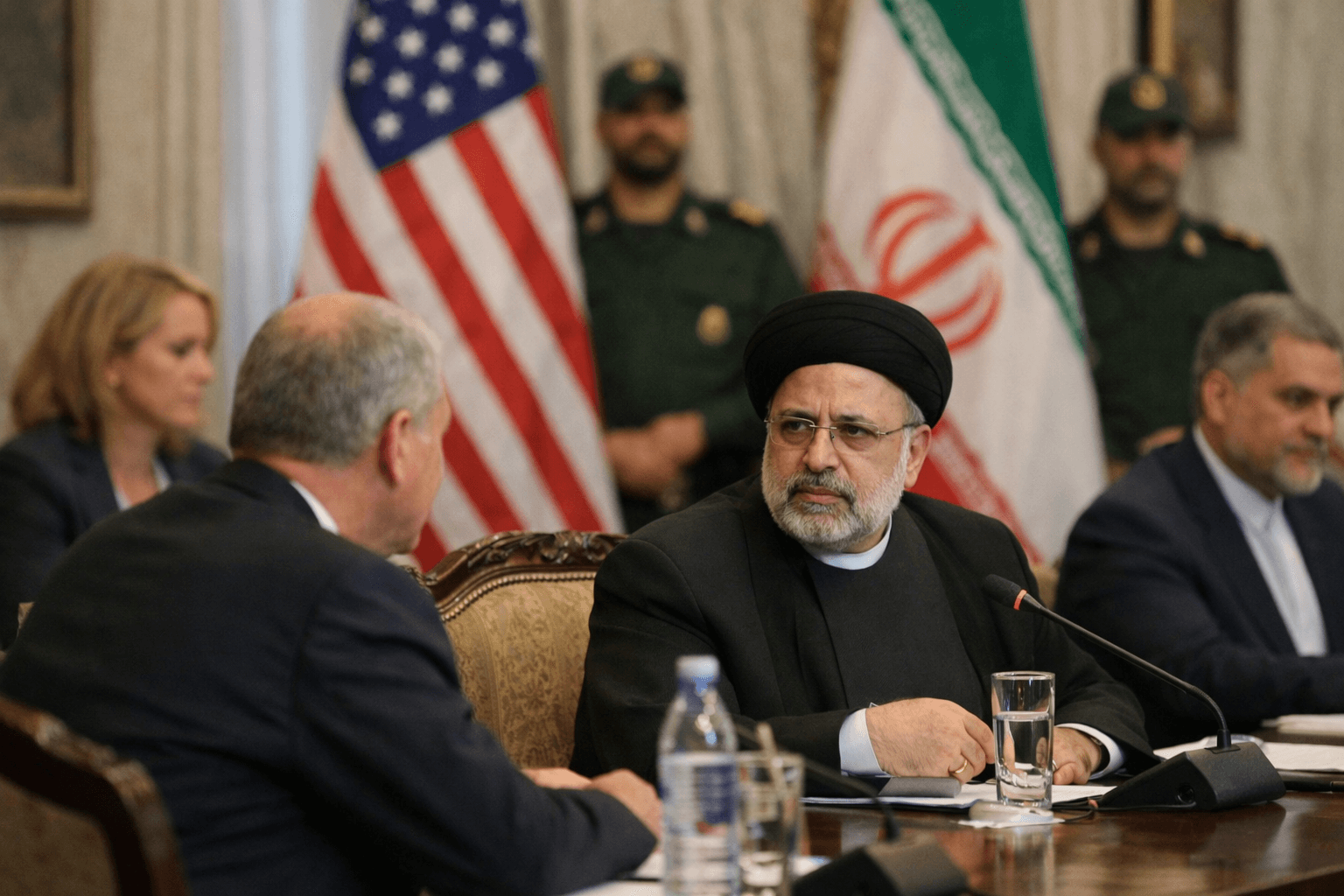
The United States and Iran are cautiously approaching a potential peace deal, one that could bring an end to the months-long war that has ravaged the Middle East and sent global energy markets into a tailspin. As the two sides engage in delicate negotiations, Iran is seeking to project victory, while the US is emphasizing that the deal is still subject to finalization. The stakes are high, with the fate of the region and global energy markets hanging in the balance. The proposed deal includes a 60-day ceasefire extension, during which the Strait of Hormuz, a crucial oil shipping route, would be reopened, potentially bringing relief to global energy markets.
The war between the US and Iran began in February, sparked by US-Israeli strikes on Iran, and has been ongoing for months, with a temporary ceasefire in place since April. The conflict has had significant implications for global energy markets, with the blockade of the Strait of Hormuz causing oil prices to rise. The potential peace deal is being closely watched by countries in the region, including Saudi Arabia, Israel, and Pakistan, which have all been involved in the negotiations.
As the details of the deal begin to emerge, it is clear that Iran has made significant concessions, including a potential commitment to relinquish its stockpile of highly enriched uranium, a crucial component for building nuclear weapons. However, the exact terms of this commitment are still unclear, and Washington has long said it will not accept Iran's possession of highly enriched uranium. The reopening of the Strait of Hormuz could bring relief to millions of people who rely on oil shipments for their livelihoods, including those in Iran, where the war has led to food and medicine shortages.
The potential risks and challenges associated with the deal are significant, and both sides will need to address the outstanding issues, including the dispute over Iran's nuclear program. The deal does not define how exactly Tehran would relinquish its stocks of highly enriched uranium, and Iranian officials have stressed that gaps between the sides persist. Despite these challenges, Pakistan's Prime Minister has expressed hope to host another round of talks very soon, and US President Donald Trump has emphasized that the deal is still subject to finalization.
The implications of the deal are far-reaching, and could have a significant impact on global energy markets and the region as a whole. If successful, the deal could bring a measure of stability to the region, and potentially pave the way for further negotiations and cooperation between the US and Iran. However, if the deal falls through, the consequences could be dire, with the potential for further conflict and instability in the region. As the US and Iran inch closer to a potential peace deal, the stakes are high, and the world is waiting to see what the future holds.