

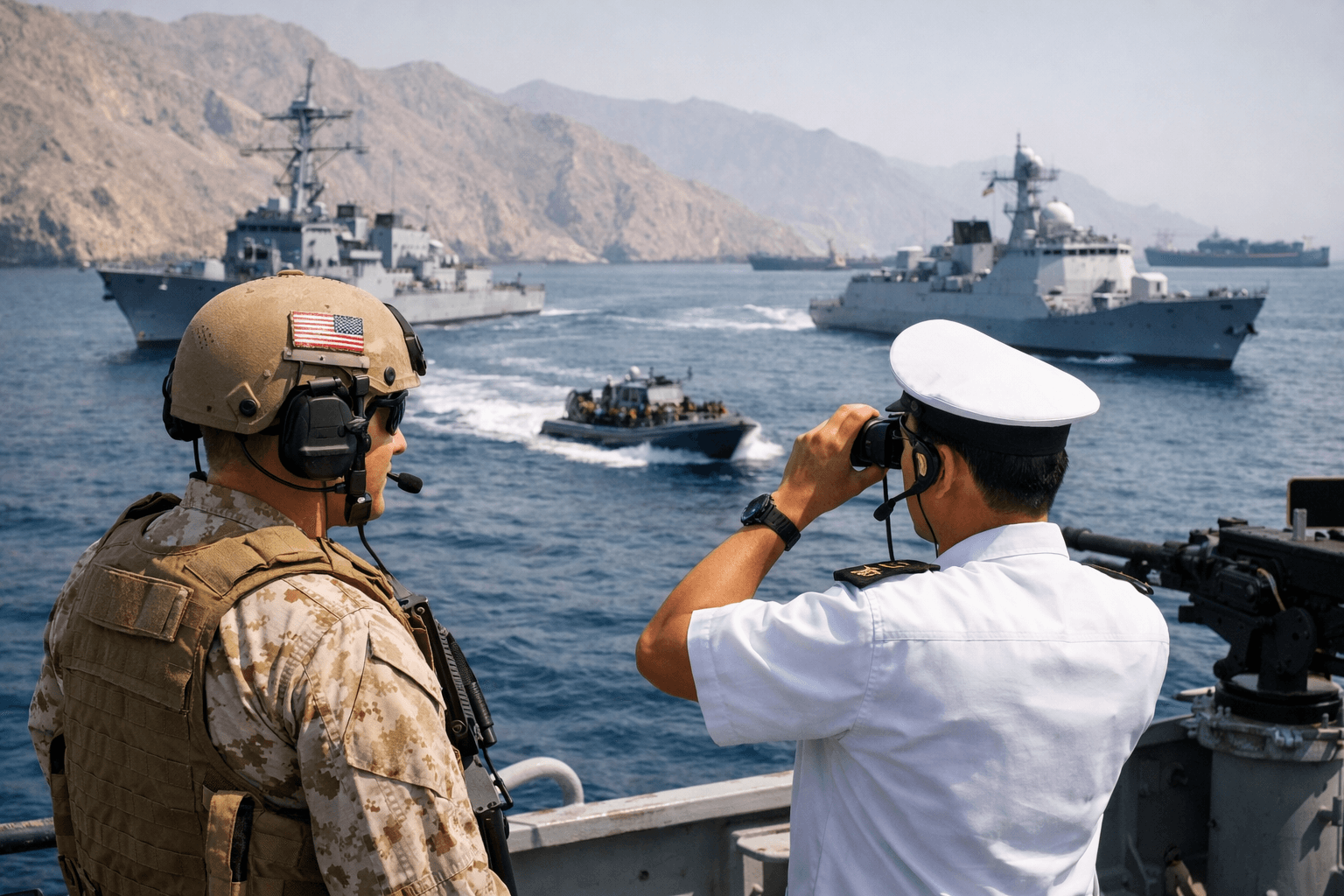
In a surprise move, the United States and China have agreed to work together to reopen the Strait of Hormuz, a critical waterway that has been blockaded by Iran, sparking fears of an energy crisis. The agreement, hinted at by President Trump and President Xi Jinping during a two-day summit in Beijing, marks a significant shift in US policy towards greater cooperation with China. With approximately 20% of the world's oil passing through the strait, the blockade has sent oil prices soaring, threatening global energy security. As the world watches with bated breath, the details of the US-China plan remain shrouded in secrecy, leaving many to wonder what specific role China will play in helping to reopen the strait.
The Strait of Hormuz is a vital artery for global trade, with millions of barrels of oil passing through it every day. The blockade, imposed by Iran in response to US sanctions, has had far-reaching consequences, including increased costs for consumers and disruptions to global supply chains. The US and China, two of the world's largest economies, have a significant stake in maintaining regional stability and ensuring the free flow of oil and other goods. As Secretary of State Marco Rubio noted, the US and China have agreed that the Strait of Hormuz should not be 'militarized,' suggesting a shared interest in maintaining regional stability.
The US-China agreement has significant implications for the region, particularly with regard to Iran. The blockade has severely impacted Iran's economy, which relies heavily on oil exports. As the US and China work together to reopen the strait, they will need to balance their competing interests in the region, particularly with regard to Iran and the broader Middle East. China, which has significant economic interests in the region, may be able to bring a unique perspective to the negotiations, one that could help to ease tensions between the US and Iran. The potential risks and challenges associated with the US-China agreement are significant, including the potential for miscalculation or miscommunication between the two powers.
As the US and China move forward with their plan, the world will be watching with great interest. The agreement has raised hopes for a diplomatic solution to the standoff, one that could help to ease tensions in the region and ensure the free flow of oil and other goods. While the details of the plan remain unclear, one thing is certain: the US and China are committed to working together to reopen the Strait of Hormuz, a move that could have significant implications for global energy security and regional stability. The success of the agreement will depend on the ability of the US and China to coordinate their efforts and balance their competing interests in the region.
The impact of the US-China agreement will be felt far beyond the Middle East, with potential implications for global trade and energy security. As the world waits to see how the agreement will play out, one thing is clear: the US and China are taking a significant step towards cooperation, one that could help to ease tensions in the region and ensure the free flow of oil and other goods. With the fate of the Strait of Hormuz hanging in the balance, the world will be watching with great interest to see what happens next.