

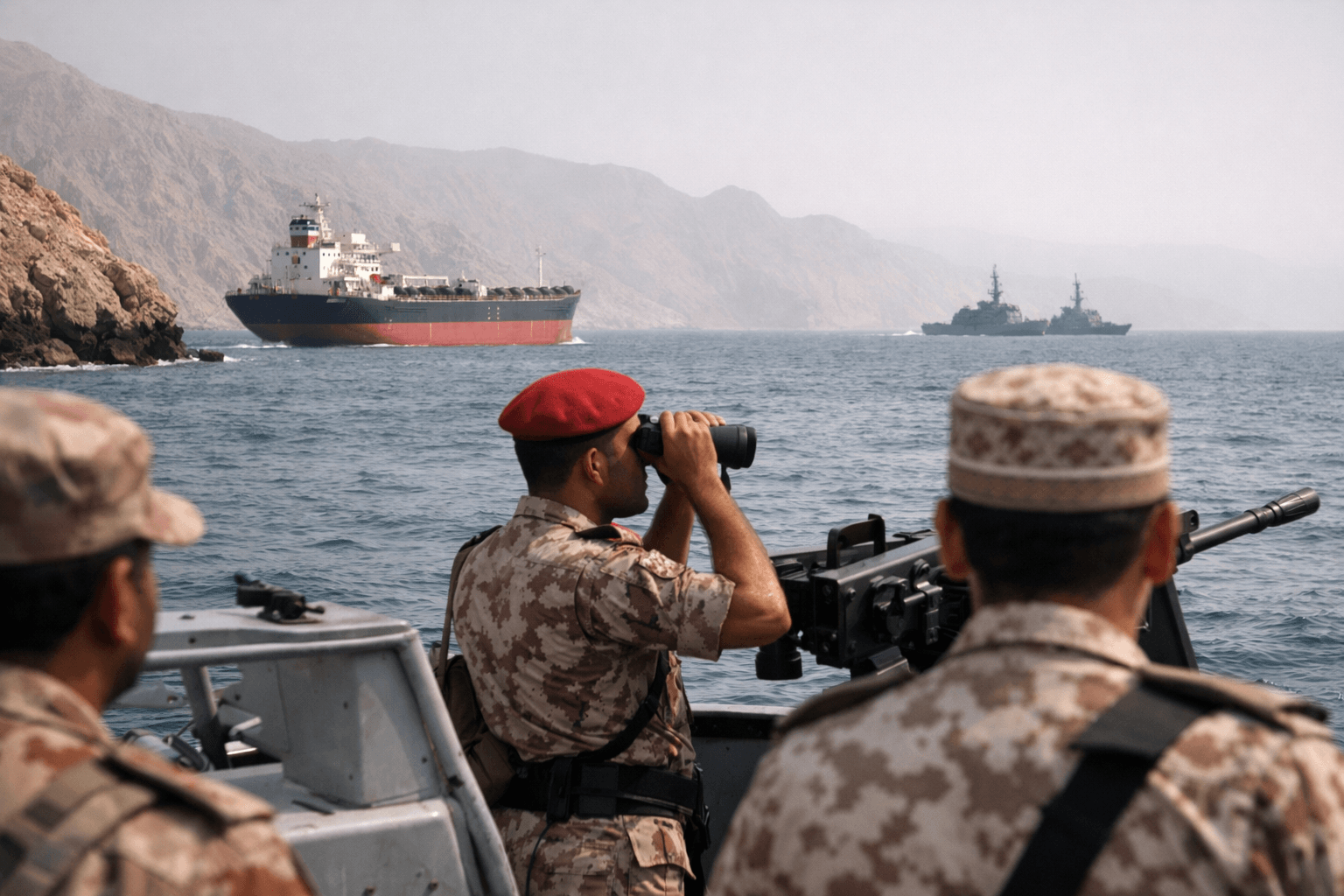
President Donald Trump's recent comments about Oman have sent shockwaves through the Middle East, sparking concerns about the stability of the region and the potential consequences for global oil markets. In a surprising escalation of tensions, Trump stated that Oman will behave or the US will blow them up if they side with Iran over reopening the Strait of Hormuz, a critical waterway through which 20% of the world's oil passes. This threat has raised questions about the future of US-Oman relations and the potential impact on the global economy. The Strait of Hormuz is a vital shipping lane, connecting the Persian Gulf to the Gulf of Oman and the Arabian Sea, with over 17 million barrels of oil passing through it every day. The region has been a flashpoint for tensions between the US, Iran, and other Middle Eastern countries, with the US seeking to maintain its influence and protect its allies, while Iran seeks to assert its own interests and challenge US dominance.
The US Treasury has threatened Oman with sanctions over the Hormuz Strait, with a US official saying that Washington will aggressively target actors that facilitate tolls in the waterway. Iran has indicated that it seeks to impose a new reality in the Strait of Hormuz, exacting tolls on transiting ships and sharing the revenues with Oman. This could have significant implications for global oil prices, potentially disrupting the global energy supply chain. Oman, which has been attempting to mediate the Middle East conflict, has itself come under attack from Tehran, highlighting the country's delicate position in the region.
The threat of conflict in the Strait of Hormuz has significant implications for the people of Oman, Iran, and other countries in the region. Fishermen in Oman's coastal towns may see their livelihoods disrupted by the presence of naval vessels and the risk of conflict, while Iranian citizens may face further economic hardship as a result of sanctions and trade disruptions. The US Congress and other international actors are likely to respond to Trump's comments, which could have potential implications for US foreign policy and global stability. As the situation continues to unfold, one thing is clear: the fate of the Strait of Hormuz and the future of the region hang in the balance.
The consequences of a conflict in the Strait of Hormuz would be far-reaching, with the potential to disrupt global oil supplies and send shockwaves through the global economy. As the US, Iran, and other regional players navigate this complex web of alliances and rivalries, the world watches with bated breath, wondering what's next for this volatile region.