

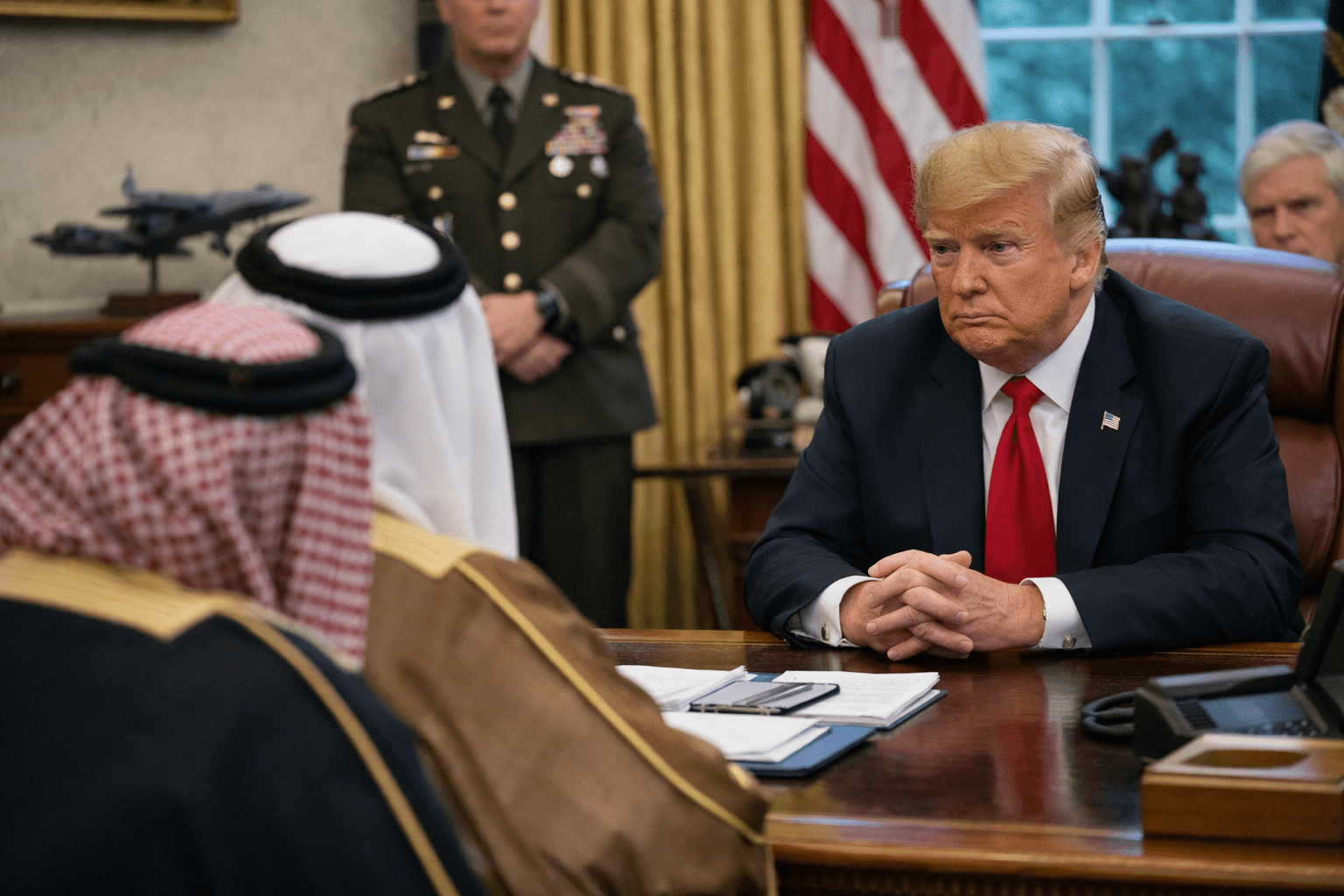
In a surprise move, US President Donald Trump has postponed a planned attack on Iran, citing a request from Gulf Arab allies who are mediating negotiations between the two nations. The decision has temporarily eased tensions in the region, where a conflict could have far-reaching consequences for global oil trade and security. The intervention by Gulf allies, including Qatar, Saudi Arabia, and the United Arab Emirates, highlights the complex web of regional interests and alliances at play in the conflict. With the world watching, the fate of the negotiations and the future of the region hang in the balance.
The conflict between the US and Iran has been ongoing, with the US having launched initial strikes, and Iran responding with reciprocal attacks. The war has had significant regional and global implications, including the closure of the Strait of Hormuz, which has sent global oil prices spiraling. The strait, a vital waterway for global oil trade, has become a key point of contention, with Iran demanding control over the passage and the US seeking to maintain its dominance.
The terms of the negotiations between the US and Iran are complex, with Iran demanding the release of frozen assets, the lifting of long-standing sanctions, and reparations for the war. In exchange, the US has presented a five-point list, which includes a demand for Iran to keep only one nuclear site in operation and transfer its stockpile of highly enriched uranium to the US. The Gulf allies have expressed confidence that serious negotiations will lead to an agreement that will be acceptable to the US and Middle Eastern nations. Meanwhile, Iran has set up a new body, the Persian Gulf Strait Authority, to manage the Strait of Hormuz, and has warned that navigation within the designated jurisdictional area requires full coordination with the authority.
The conflict has already had a significant human impact, with millions of people in the region affected by the war and subsequent economic sanctions. The closure of the Strait of Hormuz has led to increased oil prices, which has affected the livelihoods of people who rely on affordable energy. The conflict has also led to the displacement of people, particularly in the Iranian province of Kurdistan, where the Revolutionary Guards have been carrying out military operations. As the negotiations continue, the world waits with bated breath to see if a peaceful resolution can be reached, and if the region can avoid a catastrophic war.
The postponement of the US attack has given the region a temporary reprieve, but the situation remains volatile. The US and Iran are still far apart on key issues, and the Gulf allies face a daunting task in mediating a resolution. As the world watches, one thing is clear: the fate of the region and the global economy hangs in the balance, and a peaceful resolution is more crucial than ever.