

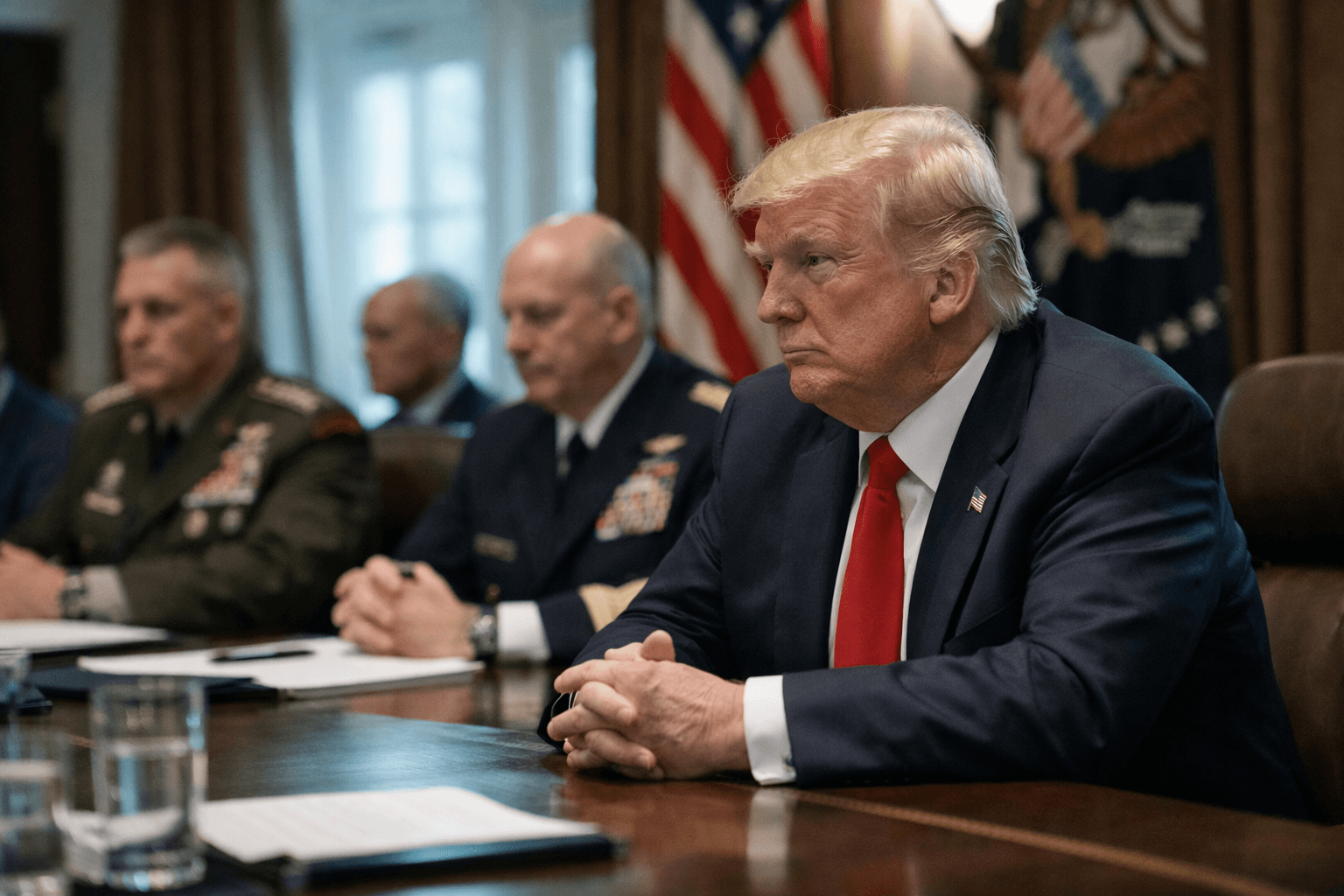
In a surprise move, President Trump has delayed a planned attack on Iran, citing 'serious negotiations' taking place between the two nations. This development has brought a glimmer of hope for a peaceful resolution to the conflict, which has been ongoing for nearly six weeks. The decision to hold off on the attack came after Gulf Arab allies, including Qatar, Saudi Arabia, and the United Arab Emirates, urged Trump to wait. With the world teetering on the brink of a potentially catastrophic war, this move has raised questions about the likelihood of a lasting agreement and the challenges that lie ahead.
The US-Iran conflict has been fueled by Iran's alleged pursuit of nuclear weapons, which Tehran denies, and the US's desire to exit the war, which has proven to be a political liability for President Trump. The involvement of Gulf Arab allies and Pakistan as mediators has added a new layer of complexity to the negotiations. As the conflict continues, millions of people in the region remain affected, including Iranian civilians facing economic sanctions and military action, residents of the emirate of Abu Dhabi who were evacuated after a drone strike, and Kurdish groups in northern Iraq targeted by Iranian military strikes.
The specific demands of Iran and the US in the ongoing negotiations remain unclear, but it is known that Tehran is seeking the lifting of sanctions, while Washington is pushing for Iran to abandon its nuclear program. The involvement of Gulf Arab allies and Pakistan as mediators is expected to play a crucial role in securing a peaceful resolution. Pakistan, in particular, has been facilitating exchanges between the US and Iran, with Iranian Foreign Ministry spokesman Esmaeil Baqaei confirming that Tehran has made its 'concerns' known. Meanwhile, the US Treasury's decision to extend a sanctions waiver for Russian oil cargoes has eased pressure on Moscow and potentially impacted oil prices, adding another layer of complexity to the conflict.
As the negotiations continue, the potential consequences of a failed negotiation are dire. The conflict could escalate, leading to further military action and humanitarian crises. The US has instructed its military to be 'prepared to go forward with a full, large scale assault of Iran, on a moment's notice, in the event that an acceptable Deal is not reached.' With the stakes so high, the world is watching anxiously as the US and Iran engage in a delicate dance of diplomacy. The outcome is far from certain, but one thing is clear: the road to a lasting agreement will be long and fraught with challenges.
The delay in the planned attack has given the world a temporary reprieve from the brink of war, but the situation remains precarious. As the US and Iran continue to negotiate, the international community holds its breath, hoping that a peaceful resolution can be reached. The consequences of failure are too great to contemplate, and the world can only hope that diplomacy will prevail in the end.