

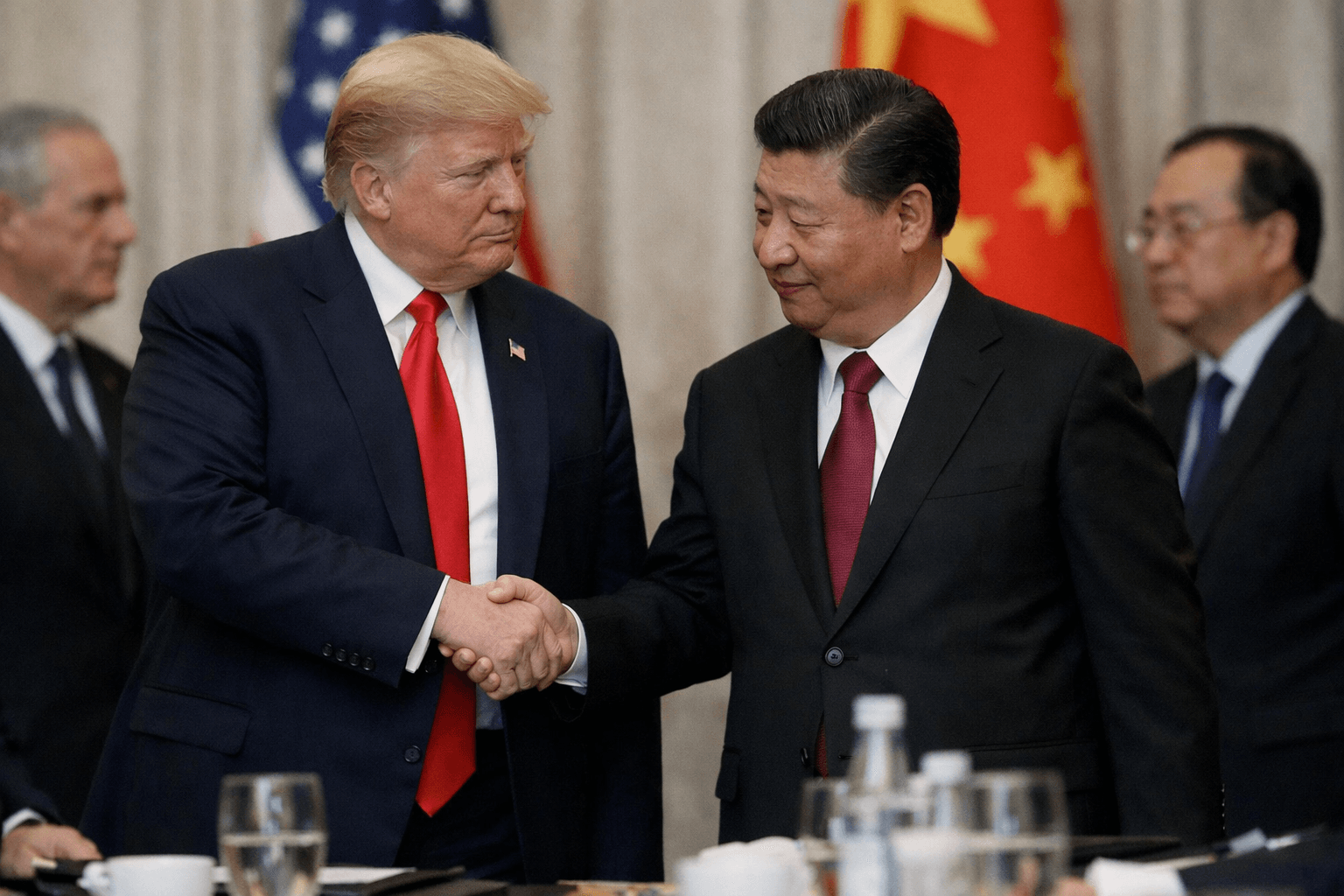
The highly anticipated meeting between President Donald Trump and Chinese President Xi Jinping has come to a close, leaving behind a trail of complex agreements, subtle warnings, and unresolved tensions. As the two leaders engaged in a delicate dance of diplomacy, the world watched with bated breath, aware that the fate of international relations, trade, and security hung precariously in the balance. Trump's conciliatory tone and Xi's resolute stance have set the stage for a nuanced and multifaceted relationship between the two global superpowers.
The meeting took place amidst rising tensions between the US and China, with ongoing disputes over trade, security, and geopolitics threatening to destabilize the global economy. The US-China relationship is critical to global stability, and the outcome of their discussions will have far-reaching implications for international relations, trade, and security.
The two-day visit included discussions on trade, with Trump seeking tangible wins in sectors such as agriculture, aviation, and artificial intelligence. Xi warned Trump about the sensitive issue of Taiwan, stating that missteps could lead to conflict between the two countries, a warning that Trump chose not to address during the visit. The leaders also discussed the war against Iran, with Trump stating that Xi assured him China would not provide military aid to Tehran and would like to see the Hormuz Strait open for maritime transport. Additionally, Trump announced that China had agreed to purchase a significant number of Boeing jets, although the market had expected a more robust purchase, and shares of Boeing fell after the announcement.
The US and China are also exploring the establishment of guardrails for the use of artificial intelligence, despite ongoing US export controls on the technology to China. This development has significant implications for the future of AI research and deployment, and could potentially impact the global balance of power. The visit included a meeting with US business leaders, highlighting the significance of trade and economic cooperation between the two nations.
The outcome of the meeting will have a profound impact on various groups, including US farmers, who may benefit from increased agricultural exports to China, and Boeing employees and shareholders, who may be impacted by the announcement of China's purchase of Boeing jets. Global consumers may also face increased prices or reduced availability of goods due to trade tensions and disputes over the Hormuz Strait. Meanwhile, citizens of Taiwan will be watching with bated breath, aware that Xi's warning on the sensitive issue of Taiwan's status could have significant implications for their nation's future.
As the dust settles on the Trump-Xi meeting, one thing is clear: the delicate dance between the two global superpowers will continue to shape the course of international relations, trade, and security for years to come. The consequences of the meeting will be far-reaching and multifaceted, with the world waiting to see how the complex web of cooperation and competition between the US and China will unfold.