

Strait of Hormuz Tensions Escalate Amid Ship Seizures
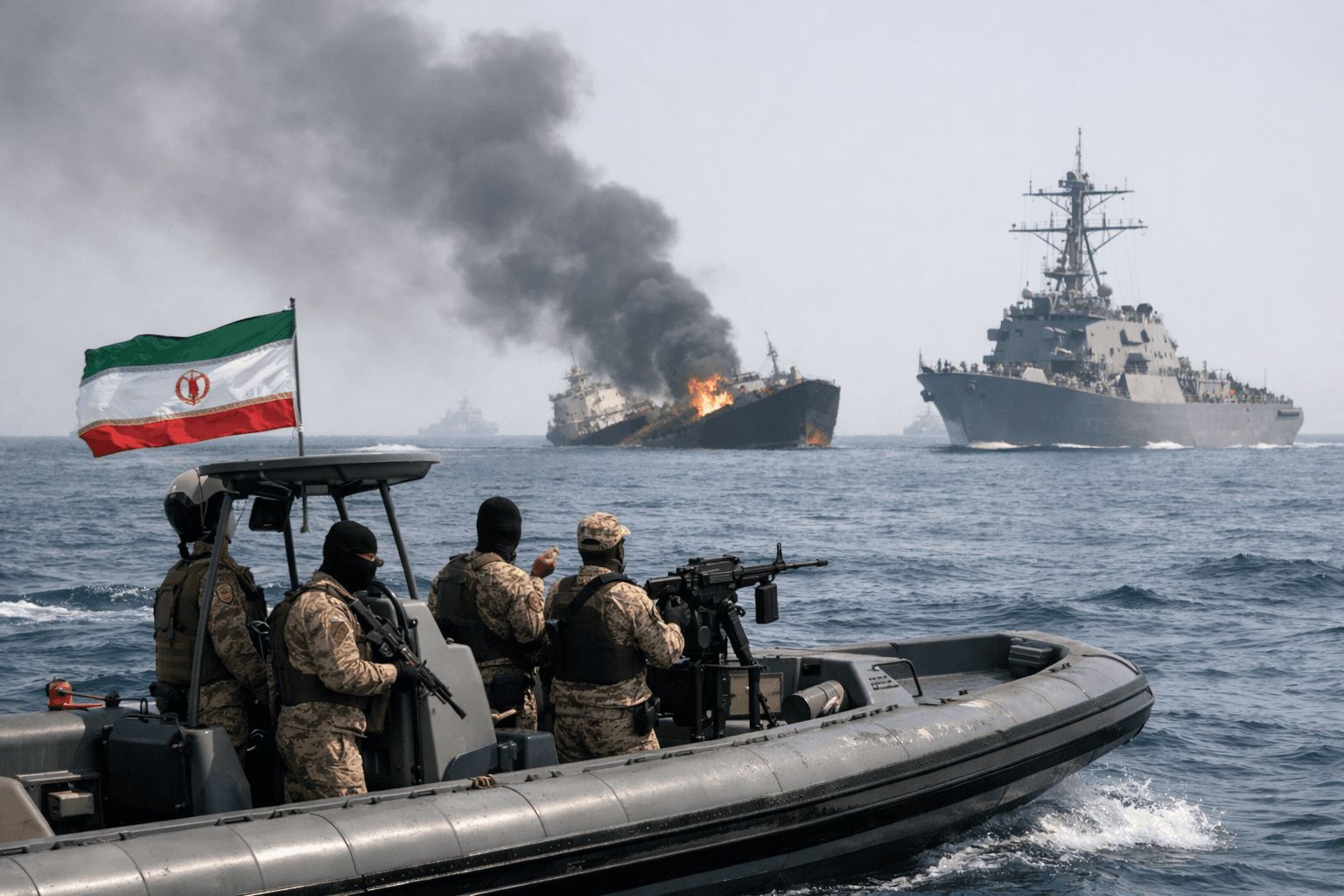
The recent seizure of a ship and the sinking of another in the Strait of Hormuz have sparked a delicate diplomatic dance between Iran, the US, China, and other regional players, threatening to disrupt global oil markets and shipping lanes. The Strait of Hormuz, a critical waterway through which a significant portion of the world's oil passes, has become a flashpoint of tensions between Iran and the US. The seizure of a ship anchored off the United Arab Emirates and the sinking of an Indian-flagged cargo ship, the Haji Ali, have raised concerns about the safety of commercial shipping in the region.
The conflict between Iran and the US has its roots in the US withdrawal from the Iran nuclear deal and the subsequent imposition of sanctions, which have led to a significant escalation of tensions in the region. The Strait of Hormuz is a vital shipping lane, with nearly a fifth of the world's oil passing through it, making it a critical component of the global economy. The increased tensions in the region have led to increased insurance costs and concerns about the safety of commercial shipping, with Indian authorities condemning the attacks on commercial shipping and civilian mariners.
The recent developments have highlighted the intricate web of alliances and interests at play in the region. Iran has set five conditions for entering new talks with the US, including paying reparations for the war and accepting Iran's sovereignty over the Strait of Hormuz. The US has the military power to permanently reopen the strait, but Admiral Brad Cooper, the top US commander in the Middle East, has deferred to policymakers about the best path forward amid sensitive negotiations. Meanwhile, Chinese ships have begun passing through the Strait of Hormuz under new Iranian protocols, following diplomatic outreach from Beijing. This development has significant implications for the region, as China's growing economic and diplomatic influence is likely to play a major role in shaping the conflict.
The human impact of the conflict is also significant, with the crew members of the seized and attacked ships directly affected by the violence and uncertainty in the region. The 14 Indian sailors rescued by Oman's coast guard are just one example of the many lives affected by the conflict. The increased costs and risks associated with shipping through the Strait of Hormuz are likely to have a broader impact on the global economy, potentially leading to higher fuel prices and disruptions to global trade. As the world teeters on the brink of a major conflict, the Strait of Hormuz has become a critical point of contention, with the potential to destabilize the entire region.
The potential consequences of a prolonged conflict in the Strait of Hormuz are severe, with the potential to disrupt global oil markets and shipping lanes. The conflict could also have significant implications for regional and global stability, with the potential to draw in other countries and escalate into a wider conflict. As the diplomatic dance continues, the world watches with bated breath, waiting to see how the situation will unfold and what the ultimate outcome will be.