

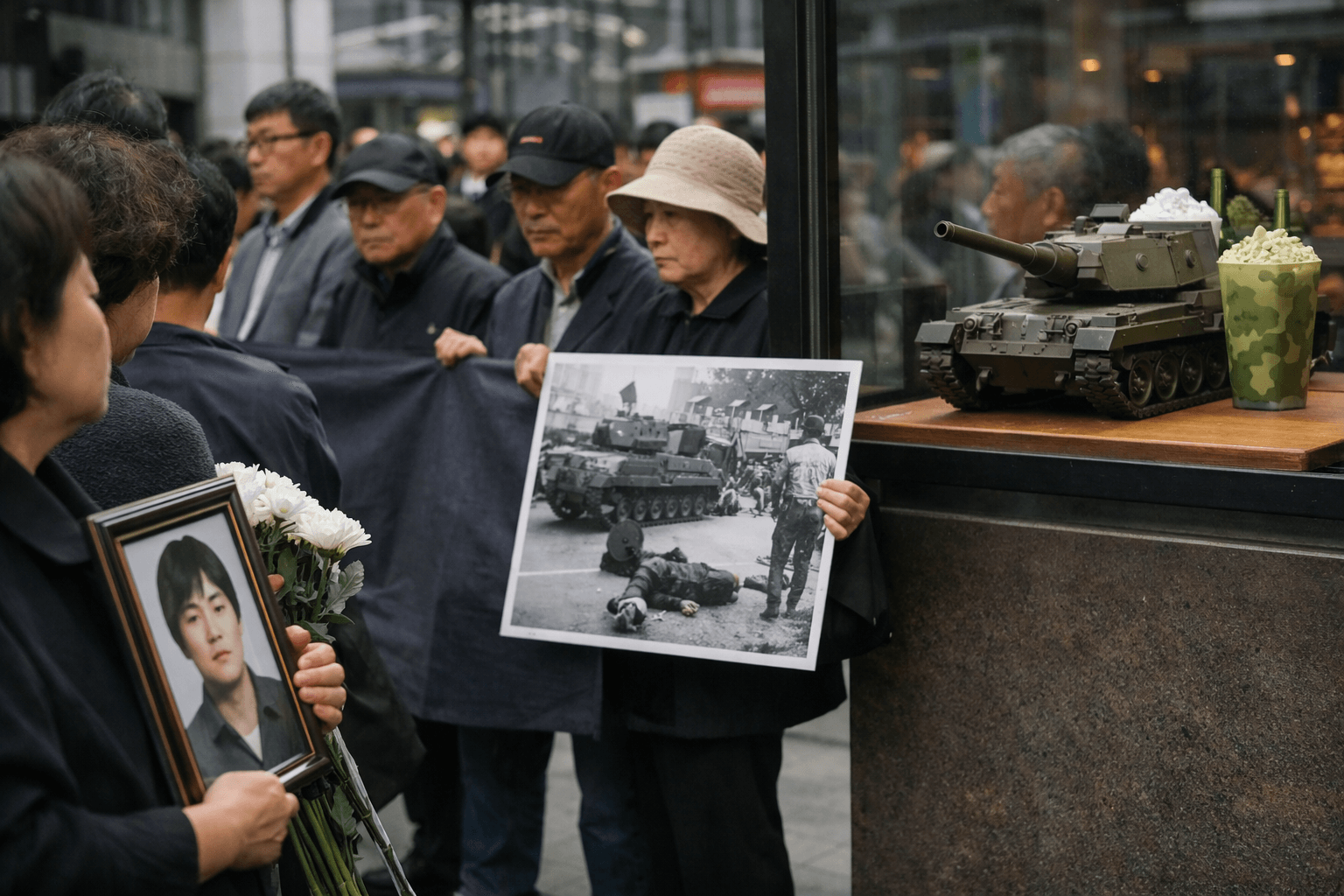
Starbucks Korea's recent Tank Day promotion has ignited a firestorm of controversy, sparking widespread outrage and condemnation from the government, citizens, and families of the victims of the 1980 Gwangju uprising. The promotion, which coincided with the 46th anniversary of the brutal suppression of the pro-democracy movement, was seen as a callous attempt to capitalize on a pivotal moment in South Korea's democratic struggle. The backlash was swift and severe, ultimately leading to the dismissal of Starbucks Korea's CEO, Son Jung-hyun.
The 1980 Gwangju uprising was a pivotal moment in South Korea's transition from military rule to democracy, marking a significant turning point in the country's history. The event is still commemorated annually, and its memory is deeply ingrained in the national consciousness. The use of military vehicles, including tanks, to suppress the uprising has become a powerful symbol of the brutal crackdown, making Starbucks Korea's Tank Day promotion all the more insensitive.
The controversy surrounding the promotion has affected not only the families of the victims of the Gwangju uprising but also the broader South Korean community, who feel that the promotion has disrespected the memories of those who fought for democracy. President Lee Jae Myung's condemnation of the promotion reflects the widespread outrage and sense of betrayal felt by many South Koreans. The incident has also sparked a national debate on the importance of historical awareness and sensitivity in marketing, with many calling for companies to be more mindful of the cultural context of their campaigns.
As the fallout from the controversy continues to unfold, questions are being raised about the role of corporate accountability in respecting the memories of significant historical events. Companies must balance their marketing goals with social responsibility, ensuring that their campaigns are culturally sensitive and respectful of historical events. In this case, Starbucks Korea's failure to consider the cultural context of its promotion has had severe consequences, damaging the company's reputation and eroding trust with its customers. To rebuild trust, the company must take concrete steps to strengthen its historical awareness and ethical standards, including providing training for employees on the importance of cultural sensitivity and respect for historical events.
The incident will likely have a lasting impact on Starbucks Korea's reputation and business operations in the country, with many customers calling for a boycott of the company's products. The South Korean government and civil society organizations must also work together to promote historical awareness and sensitivity in marketing and education, to prevent similar incidents from occurring in the future. By doing so, they can ensure that the memories of significant historical events are respected and that companies are held accountable for their actions.