

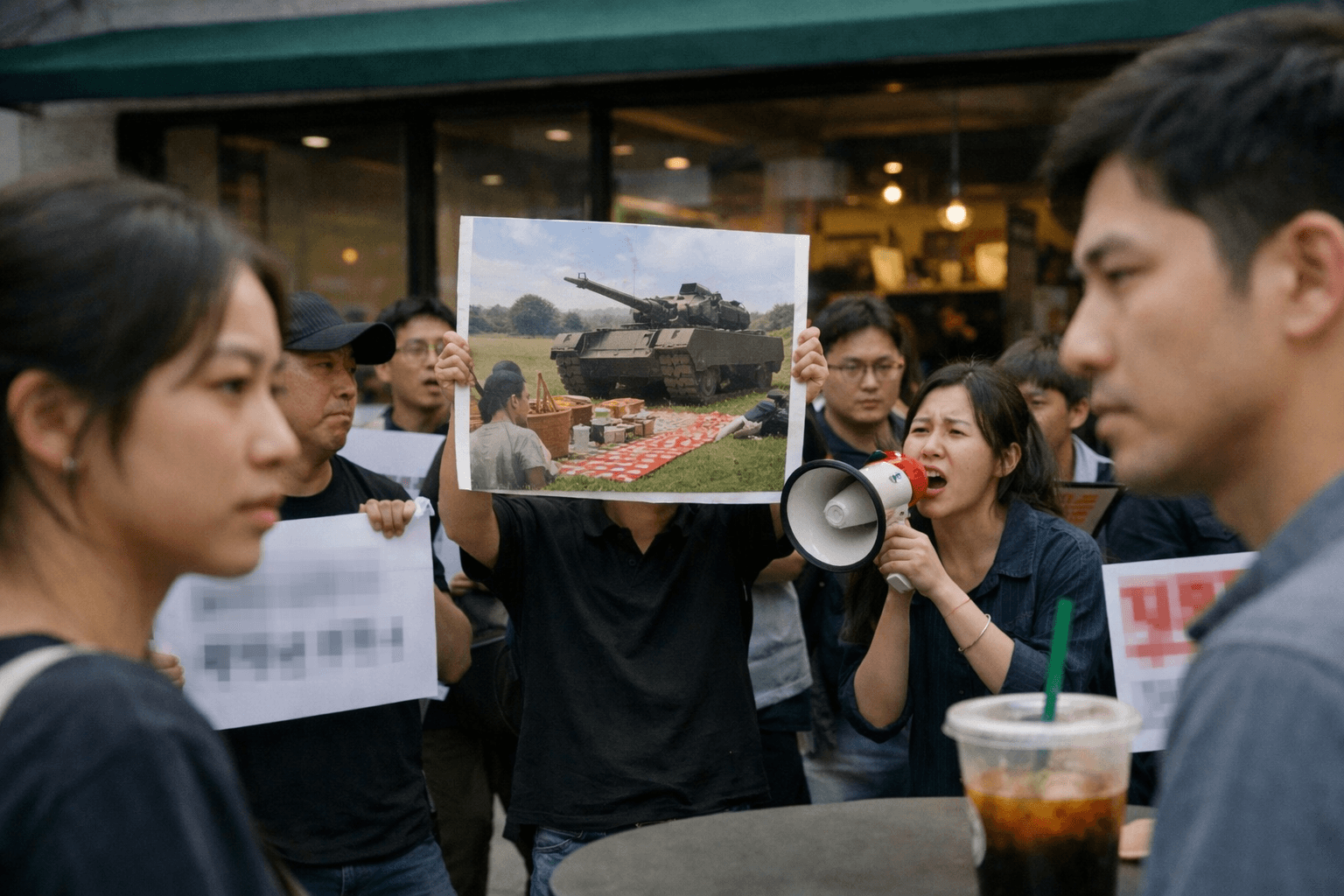
Starbucks Faces Backlash in South Korea Over Insensitive Ad Campaign. The recent Tank Day ad campaign launched by Starbucks in South Korea has sparked widespread outrage and had a significant impact on the company's sales, highlighting the importance of cultural sensitivity in global marketing. The campaign, which evoked the country's 1980 military crackdown on pro-democracy protesters, was widely perceived as mocking those who died for the country's pro-democracy movement. As a result, the company is facing a stark reality: cultural insensitivity can have a devastating impact on a brand's reputation and bottom line. In 1980, South Korea's military government cracked down on pro-democracy protesters in the city of Gwangju, resulting in the deaths of hundreds of people. This event is still remembered as a pivotal moment in the country's struggle for democracy, and the use of tanks to suppress the protests is a powerful and painful symbol of the government's brutality. Understanding this historical context is crucial to grasping the severity of the backlash against Starbucks.
The Tank Day campaign was meant to promote a new summer drink, but it ended up causing offense to many South Koreans who saw it as a thoughtless and insensitive marketing ploy. The head of Starbucks in South Korea apologized twice, acknowledging the company's mistake and expressing regret for any offense caused. However, the damage had already been done, and the company has seen a significant drop in sales since the backlash. According to the local operator, the decline in sales has been very significant, indicating a substantial financial impact. Many consumers have taken to social media to express their outrage and disappointment, calling for a boycott of Starbucks in South Korea.
The incident has raised questions about the role of multinational corporations in acknowledging and respecting local historical events and cultural sensitivities. As companies expand their global reach, they must be mindful of the cultural nuances of each market and ensure that their marketing campaigns are respectful of local cultures and histories. The Starbucks incident in South Korea serves as a case study for multinational corporations to understand the importance of cultural sensitivity in global marketing. The company must now take measures to prevent similar incidents in the future and work to rebuild trust with its customers in South Korea.
The backlash against Starbucks will likely have long-term implications for the company's presence and reputation in South Korea. To recover from the fallout, Starbucks must take concrete steps to demonstrate its commitment to cultural sensitivity and respect for local history. This includes ensuring that its marketing campaigns are thoroughly researched and vetted to avoid similar mistakes in the future. Only time will tell if the company can recover from this incident and regain the trust of its customers in South Korea.