

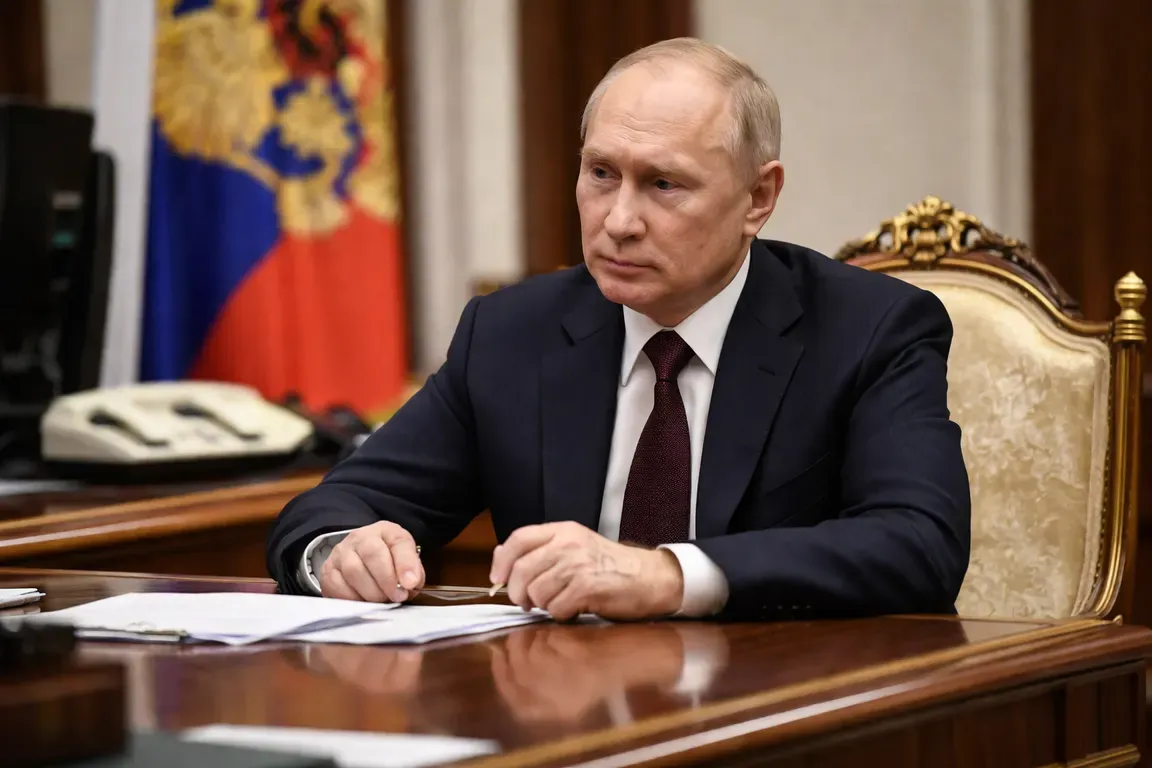
Russian leader Vladimir Putin has rejected a proposal by Ukrainian President Volodymyr Zelenskyy for a face-to-face meeting, describing Zelenskyy's open letter as 'boorish'. This rejection comes amid increased tensions between the two countries, with Ukraine recently launching drone attacks on Russian cities, including a deadly strike on a college dormitory in the Russian-controlled Luhansk region that killed 21 people.
The conflict between Russia and Ukraine has reached a critical point, with both sides facing pressure to end the war. Putin's recent statements and actions have significant implications for the future of the region. At the St. Petersburg International Economic Forum, Putin emphasized the need for a comprehensive settlement, not a temporary truce, in Ukraine. The forum, attended by delegates from countries like Saudi Arabia, Uzbekistan, and China, highlighted Russia's efforts to strengthen its economic ties with other nations despite facing challenges due to the conflict.
Putin also announced plans to strengthen Russia's air defenses to counter Ukrainian drone attacks, which have targeted Russian cities, including St. Petersburg. The economic impact of the conflict is significant, with Russia's economy facing challenges and the global economy being affected by the sanctions and trade disruptions. As the conflict in Ukraine reaches a critical point, the world is watching to see how the situation will unfold, with thousands of deaths and injuries already reported and the potential for further escalation.
The next step for the international community will be to monitor Putin's actions and determine the best course for achieving a peaceful resolution to the conflict. Putin's address at the economic forum and his subsequent actions will be closely watched, as they may indicate whether a comprehensive settlement is achievable in the near future. The role of the US in the conflict remains unclear, with some sources suggesting that a meeting between Putin and Zelenskyy could happen in a third country. For now, the situation remains volatile, with the international community waiting to see how the situation will unfold.