

Pope Leo, Amid Standoff With Trump, Says ‘Woe to Those Who Manipulate Religion’
Pope's Cameroon Visit Sparks Diplomatic Firestorm
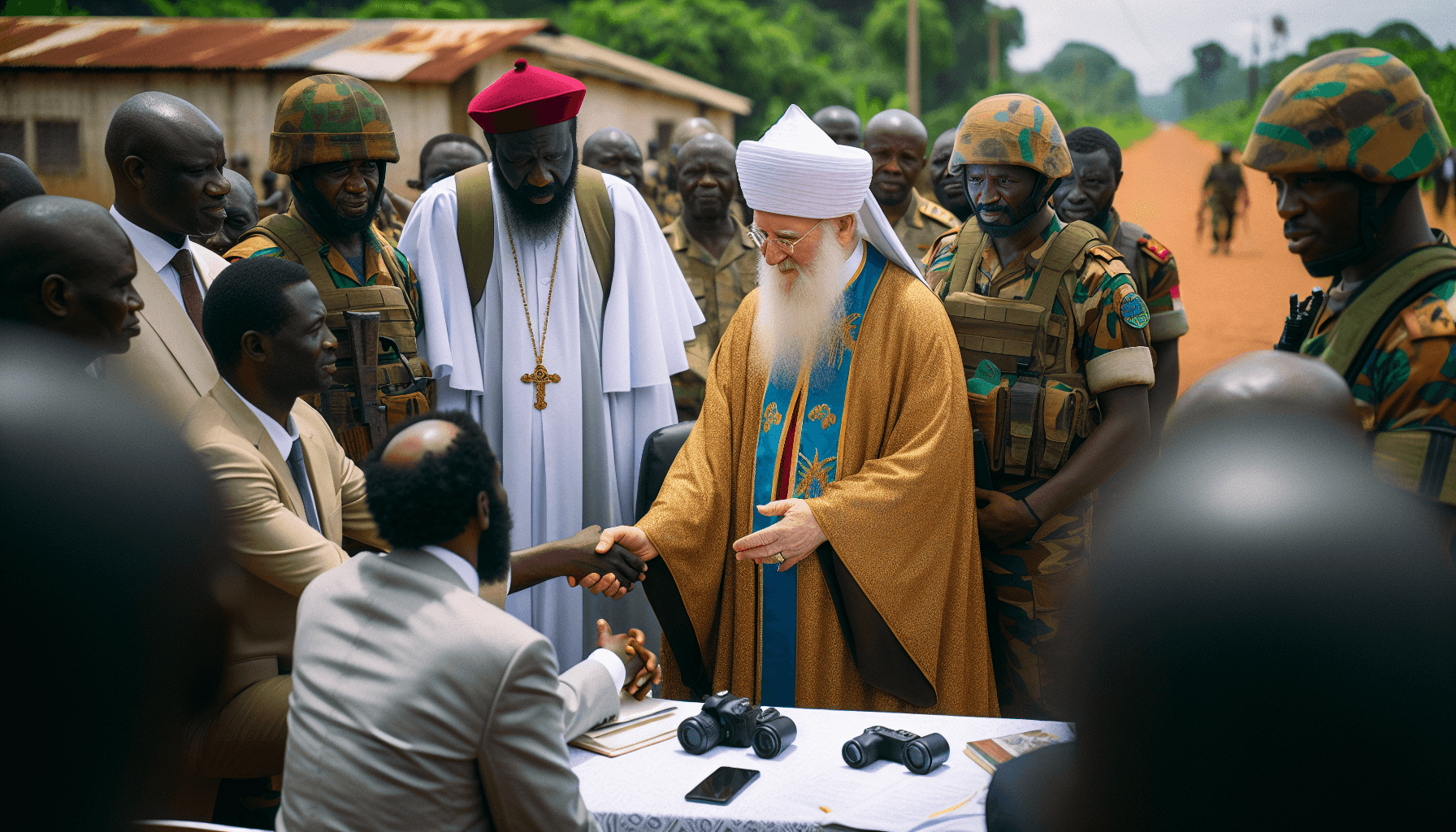
Pope Leo XIV's highly symbolic visit to Cameroon has ignited a diplomatic firestorm with the Trump administration, as his calls for peace and criticism of "tyrants" have sparked a tense standoff with far-reaching implications for global politics. The Pope's speech in Cameroon, which criticized those who manipulate religion for their own gain, was seen as a veiled reference to President Trump's policies, prompting a strong reaction from the US leader and his allies. As the Pope prepares to visit a conflict zone in the country's northwest region, his message of peace and reconciliation has brought hope to many, but also raised questions about the role of the Catholic Church in promoting human rights and challenging authoritarian leaders.
The Pope's visit to Cameroon is part of a four-nation African tour, which aims to promote peace, human rights, and economic development in the region. The Catholic Church plays a significant role in Cameroon, with over a third of the population identifying as Catholic, and the Church operates a large network of hospitals, schools, and charities. The conflict in Cameroon's northwest region, which has caused over 6,000 deaths and displaced thousands of people, has had a devastating impact on civilians, with many seeing the Pope's visit as an opportunity for the conflict to be resolved.
The diplomatic rift between the Vatican and the Trump administration has significant implications for US-Vatican relations, with some analysts warning that it could lead to a chill in diplomatic ties between the two. The Pope's criticism of "tyrants" and manipulation of religion for political gain has also sparked a reaction from other world leaders, with some seeing it as a challenge to authoritarian regimes around the world. In Cameroon, the Pope's message of peace and reconciliation has resonated with many, including 19-year-old Helene Ebogo, who said "It's such a relief that the Pope is coming to see us, because there are so many problems in this country." The Pope's visit has also put pressure on Cameroon's President Paul Biya, who has been in power since 1982 and has been accused of repression and human rights abuses, to examine his conscience and tackle corruption.
The Pope's visit to the conflict zone in the northwest region is seen as a highly symbolic gesture, and his speech and celebration of mass in the main city of Bamenda are expected to be closely watched. The Vatican has faced criticism from US Vice President JD Vance, who has urged the Pope to "stick to matters of morality" and not interfere with US public policy. However, the Pope's message of peace and reconciliation has been welcomed by many Cameroonians, who see it as a call to action to address the country's deep-seated problems. As the Pope's visit comes to an end, it remains to be seen what concrete steps will be taken to resolve the crisis in Cameroon, but one thing is clear: the Pope's visit has brought attention to the conflict and has sparked a much-needed conversation about the role of the Catholic Church in promoting peace and human rights.
The implications of the diplomatic rift between the Vatican and the Trump administration will be closely watched in the coming weeks and months, as the US and the Vatican navigate a complex web of diplomatic relations and global politics. For now, the Pope's visit to Cameroon has brought hope to many, and his message of peace and reconciliation has resonated with people around the world. As the Pope returns to the Vatican, his legacy as a champion of human rights and peace will continue to inspire and challenge world leaders, and his visit to Cameroon will be remembered as a significant moment in the history of the Catholic Church.