

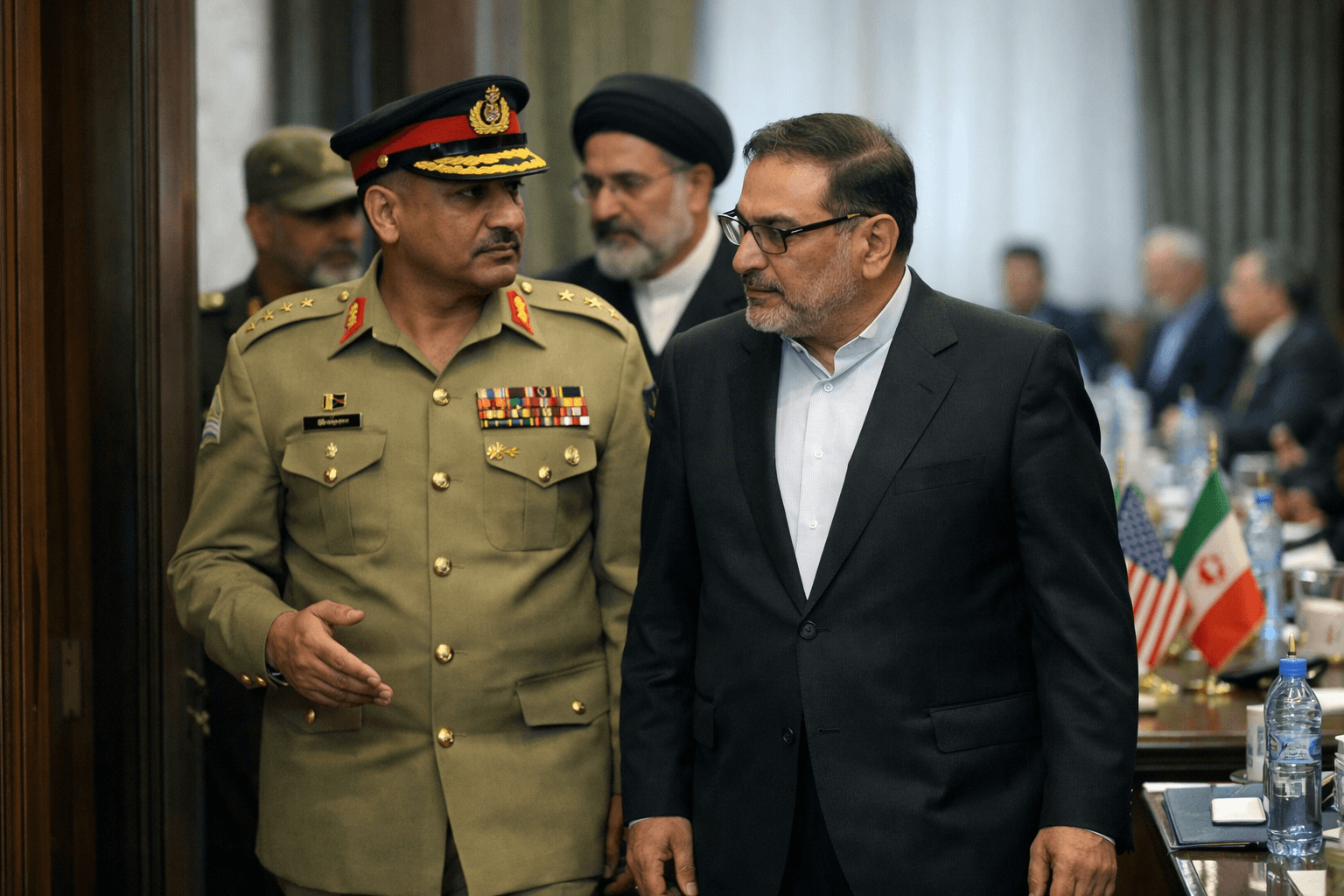
Pakistan's army chief, Field Marshal Asim Munir, has arrived in Tehran to push for a peace deal between the US and Iran. The negotiations, facilitated by Pakistan, aim to find a peaceful resolution to the conflict, which has significant implications for the global economy and regional stability. With the fate of the Strait of Hormuz hanging in the balance, the talks are at a critical juncture, and a failure to reach a deal could have devastating consequences. The US-Israeli war on Iran, which began on February 28, has resulted in competing blockades around the Strait of Hormuz, disrupting oil and gas supplies and eroding household finances. The conflict between the US and Iran has been ongoing for months, with the US and Israel launching strikes on Iran, and Iran retaliating by closing the Strait of Hormuz. A ceasefire was announced on April 8, but negotiations have yet to produce a permanent agreement or restore full access to the Strait of Hormuz. The European Union has moved towards sanctions on Iranian officials and others blamed for blocking the Strait of Hormuz, further complicating the situation. The human cost of the conflict has been significant, with at least 3,111 people killed in Lebanon since March 2, according to the country's health ministry.
The key sticking points in the negotiations between the US and Iran are the issue of the Strait of Hormuz and the lifting of sanctions. Iran's Foreign Minister Abbas Araghchi has stated that Tehran is engaged in the diplomatic process despite repeated betrayals of diplomacy by the US and military aggression against Iran. The US has reportedly considered new strikes on Iran, with President Donald Trump describing the negotiations as teetering on the borderline between a deal and renewed attacks. Pakistan's role as a mediator has been crucial in facilitating historic face-to-face talks between the US and Iran, and Field Marshal Asim Munir's visit to Tehran is a last-ditch effort to prevent further bloodshed and economic devastation.
The conflict has had a devastating impact on civilians in Iran, Lebanon, and other affected countries, with increased oil prices eroding household finances and contributing to inflation. The potential consequences of a failure to reach a peace deal are dire, with the global economy and regional security hanging in the balance. The conflict has already disrupted the lives of millions of people, with many forced to flee their homes or live in constant fear of attacks. The US and Iran must address the issue of the Strait of Hormuz, which remains a critical point of contention in the negotiations. A failure to reach a deal could lead to further escalation, with devastating consequences for the region and the world.
As the negotiations reach a critical juncture, the world waits with bated breath to see if Pakistan's efforts will be enough to prevent a catastrophic war. The outcome of the negotiations will have significant implications for regional stability and the global economy. If a peace deal is reached, it could pave the way for a new era of cooperation and stability in the region. However, if the talks fail, the consequences could be dire, with the potential for further conflict and instability. As Field Marshal Asim Munir pushes for a peace deal in Tehran, the world holds its breath, hoping that a peaceful resolution can be found to the conflict that has ravaged the region for months.