

Mexico Hosts Iran's World Cup Team Amid US Tensions
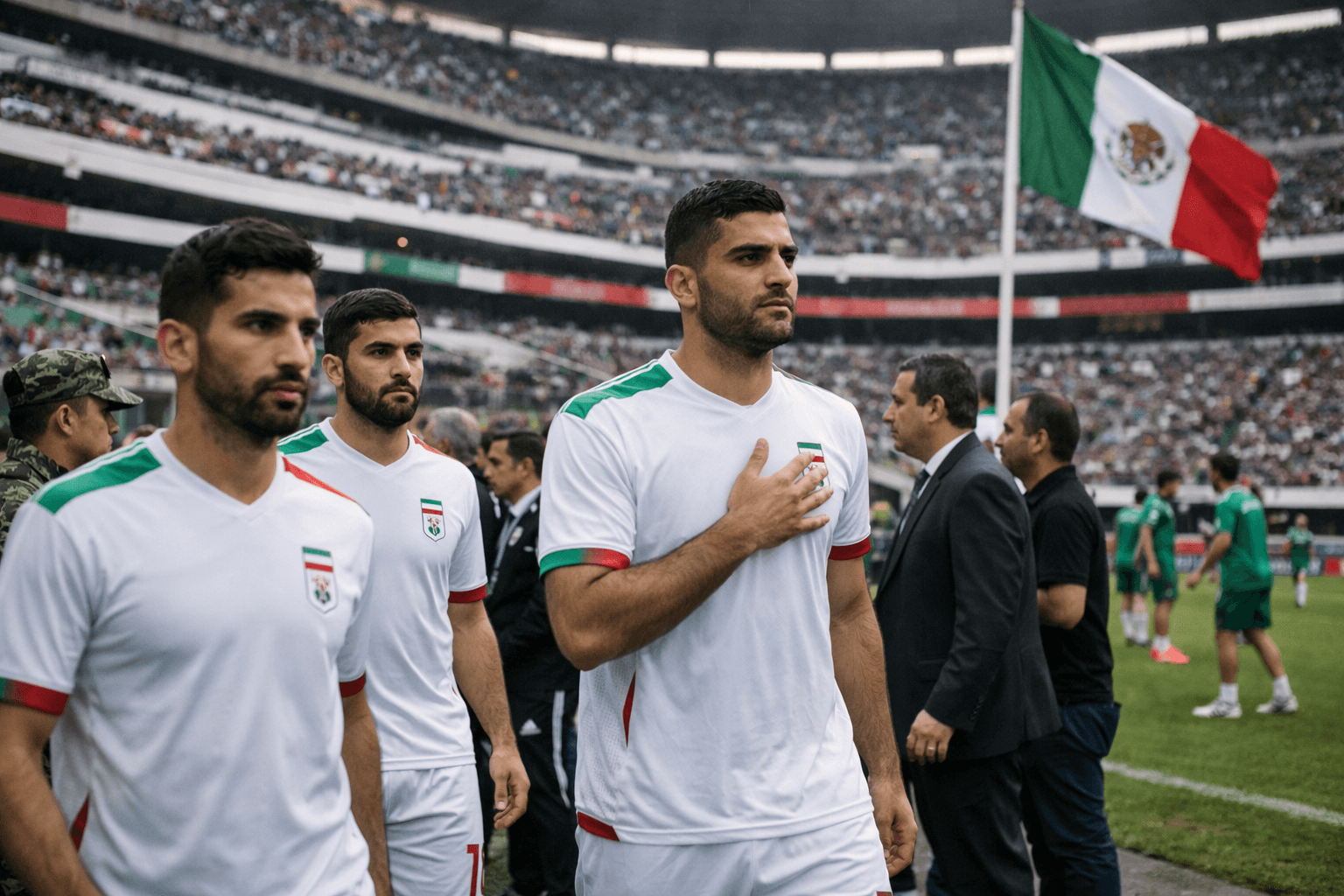
In a significant geopolitical maneuver, Mexico has agreed to host Iran's national football team for the 2026 FIFA World Cup, a decision prompted by the United States' refusal to accommodate the team due to escalating diplomatic tensions between Washington and Tehran. This move not only highlights the complex interplay of sports and international relations but also underscores Mexico's strategic position in navigating such delicate situations. The decision is seen as a bold assertion of Mexico's independence in foreign policy, potentially influencing its relations with other countries and setting a precedent for future international sporting events. \n\n The historical context of US-Iran relations is marked by longstanding tensions, exacerbated by issues such as Iran's nuclear program, human rights concerns, and regional conflicts. Against this backdrop, the 2026 FIFA World Cup, jointly hosted by the US, Canada, and Mexico, is poised to be a highly politicized event. Mexico's decision to host the Iranian team comes at a time when the country is seeking to strengthen its diplomatic ties with nations outside of its traditional alliances, including deepening its 58-year-old relationship with Iran. \n\n The arrangements for the Iranian team's stay in Mexico include access to state-of-the-art training facilities and comprehensive security measures, ensuring a safe and conducive environment for the team to prepare for the tournament. Mexican President Claudia Sheinbaum has been instrumental in facilitating this agreement, reflecting Mexico's commitment to providing a neutral and welcoming platform for international teams. The implications of this decision are far-reaching, potentially impacting US-Mexico relations and signaling a shift in Mexico's approach to foreign policy. \n\n The Iranian team and its supporters have welcomed Mexico's decision, seeing it as a significant morale boost and an opportunity to participate in the World Cup without the diplomatic hurdles that had threatened their involvement. As the tournament approaches, all eyes will be on Mexico's ability to navigate the complex geopolitical landscape, balancing its relations with the US and other nations while providing a neutral and inclusive platform for international teams. The success of this endeavor could enhance Mexico's reputation as a diplomatic mediator and a champion of international cooperation, potentially paving the way for future collaborations and strengthening its position on the global stage. \n\n The decision's impact will be closely watched, particularly in terms of its implications for US-Mexico relations and the broader geopolitical landscape. As the world prepares for the 2026 FIFA World Cup, Mexico's bold move has already made the tournament a fascinating case study of the intricate dance between sports, diplomacy, and international relations.