

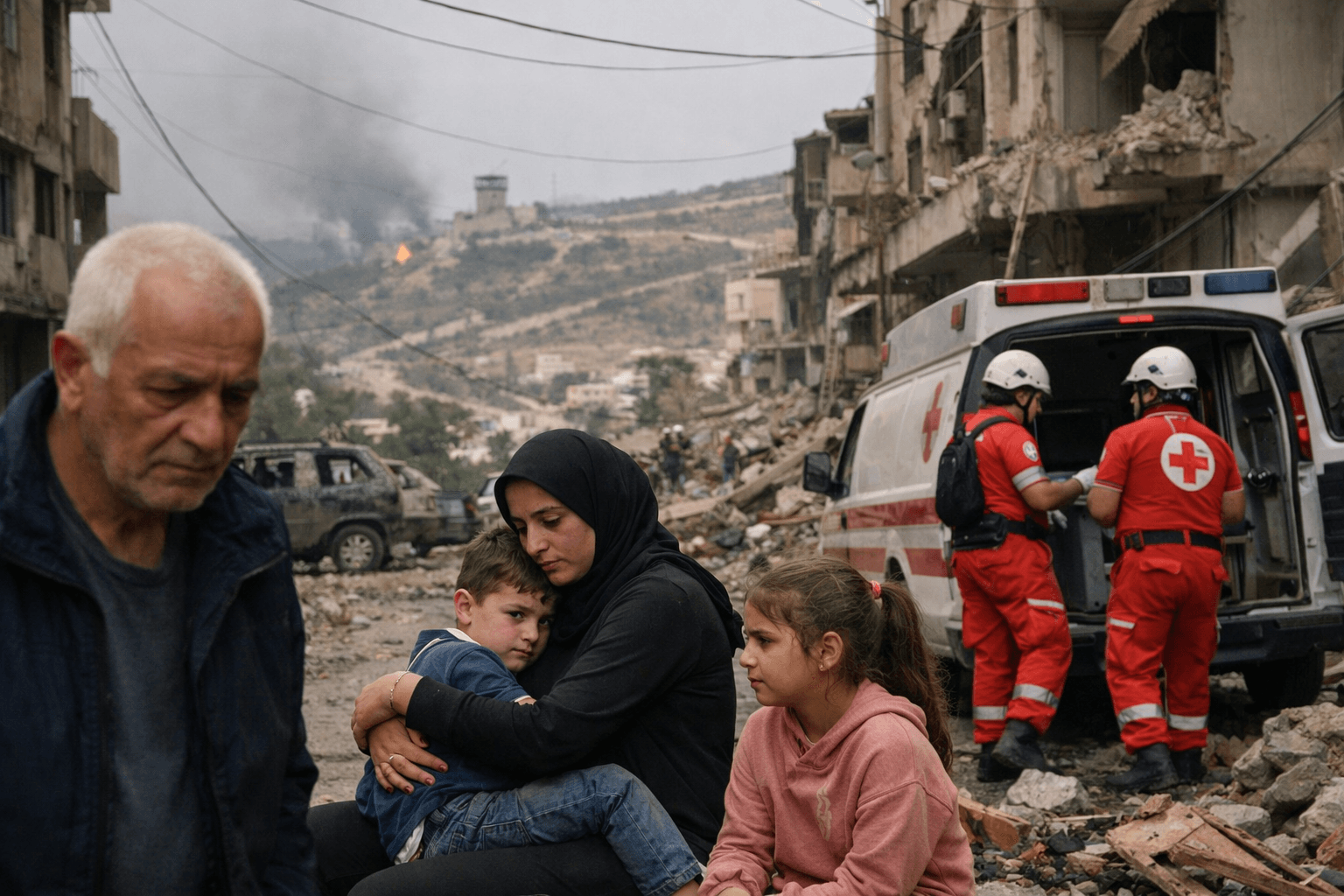
The devastating conflict between Lebanon and Israel has claimed over 3,020 lives, including 211 children and 116 healthcare workers, since its onset on March 2. Despite a 45-day ceasefire extension, the bloodshed persists, with 400 people killed in Lebanon since April 17. Lebanese President Joseph Aoun's vow to 'do the impossible' to stop the war underscores the desperation and urgency of the situation, as the international community struggles to broker a lasting peace.
The conflict's roots stretch back to the creation of Israel in 1948, with a long-standing dispute over borders, security, and the presence of Hezbollah, a militant group backed by Iran. This complex web of issues has fueled a cycle of violence that has been ongoing for decades, with the current escalation being the latest chapter in a tragic narrative.
As the death toll continues to rise, the human cost of the conflict becomes increasingly stark. Over 1 million people have been displaced in Lebanon, with many forced to shelter in tents along roads and the sea in Beirut. A family in southern Lebanon, for example, may have been forced to flee their home due to Israeli strikes, only to find themselves struggling to access basic necessities like food and healthcare. The targeting of healthcare workers, including doctors and nurses, has further exacerbated the crisis, with 116 killed since the start of the war.
The US-mediated talks between Lebanon and Israel aim to achieve a security agreement or armistice, but Hezbollah's opposition to these talks threatens to undermine the process. The prospects for a lasting peace appear bleak, with key obstacles including the complex issue of Hezbollah's presence in Lebanon and the lack of trust between the two sides. The international community, including the US, can play a crucial role in helping to broker a peace agreement, but their involvement must be carefully calibrated to avoid exacerbating the situation.
As the conflict rages on, the long-term consequences for the people of Lebanon will be severe, with a generation of children growing up amidst violence and trauma. The urgent need for a peaceful resolution has never been more pressing, and the world watches with bated breath as Lebanon's leaders strive to find a way out of the darkness. The road to peace will be long and arduous, but the alternative is too terrible to contemplate. As the people of Lebanon struggle to survive amidst the rubble and devastation, their leaders must find a way to overcome the seemingly insurmountable obstacles and forge a path towards a brighter, more peaceful future. The question on everyone's mind is: what's next, and will it be enough to stop the bloodshed and bring lasting peace to a war-torn nation.