

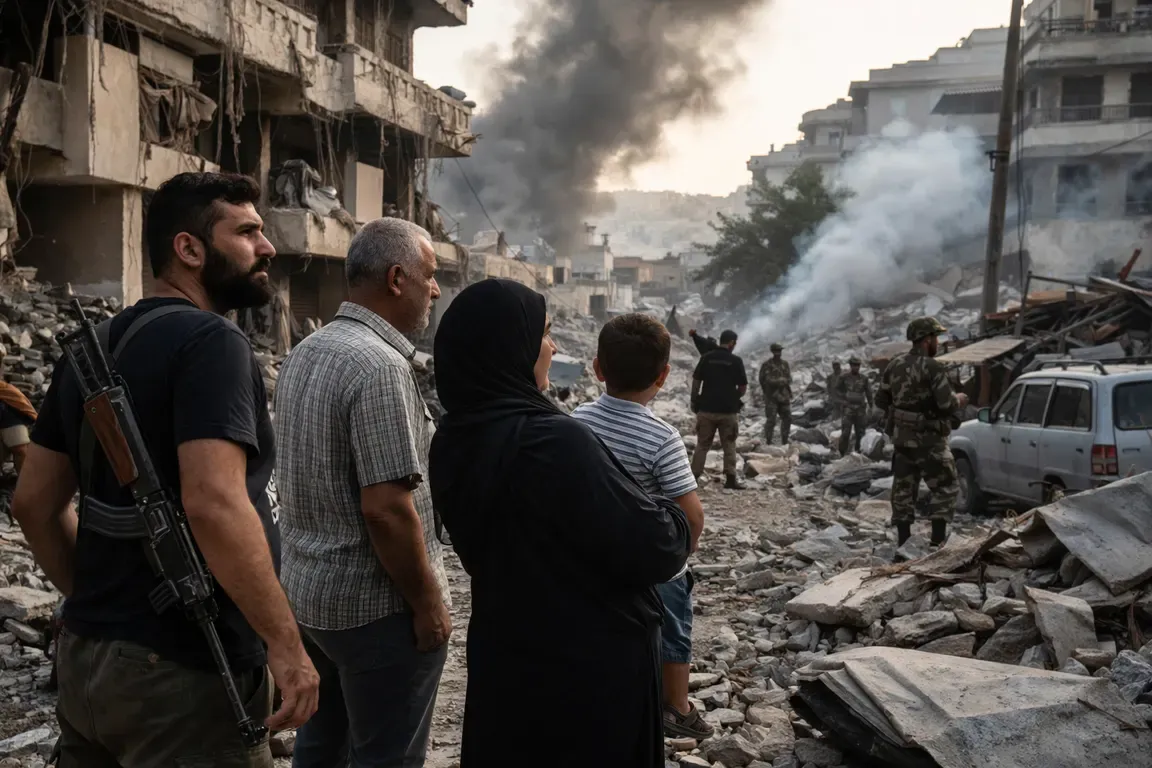
A US-brokered Lebanon ceasefire agreement between Israel and Lebanon is on the verge of collapse, as Hezbollah has rejected the terms and continued its attacks. The fragile agreement, announced on Wednesday, is at risk of falling apart, threatening to escalate the conflict and put thousands of lives in danger.
The US announcement of the ceasefire was met with skepticism due to the deep-seated tensions between the parties involved. Israel's Defense Minister, Israel Katz, said military operations would continue in southern Lebanon, despite the ceasefire announcement. This development has raised concerns about the effectiveness of the agreement and the ability of the parties to adhere to its terms.
Over 3,500 people have been killed in Lebanon since the conflict began on March 2, following the killing of Iran's supreme leader, Ayatollah Ali Khamenei, on February 28. The Lebanese government has been trying to disarm Hezbollah, a task that has proven difficult due to the group's significant influence in the country. The conflict has already had a devastating impact on the people of Lebanon, with thousands killed and many more displaced.
US President Donald Trump has expressed his desire to separate talks on the conflict in Lebanon from those on the war with Iran, a move that has been met with mixed reactions from analysts. As the situation on the ground in southern Lebanon remains unclear, sources indicate that there are disagreements over the exact details of the ceasefire agreement and the role of the US in the negotiations.
The economic impact of the conflict is also significant, with widespread destruction and displacement a very real possibility. With the ceasefire agreement on the brink of collapse, the people of Lebanon are bracing themselves for another round of violence and bloodshed. The US will likely face pressure to respond to the collapse of the ceasefire agreement, but it remains to be seen what action they will take.
As the situation continues to unfold, one thing is clear: the people of Lebanon will bear the brunt of the conflict, and it is imperative that a lasting solution is found as soon as possible. The international community will be watching closely to see how the situation develops and what steps will be taken to prevent further violence and instability in the region.