

Israel Strikes Beirut, Threatening Ceasefire
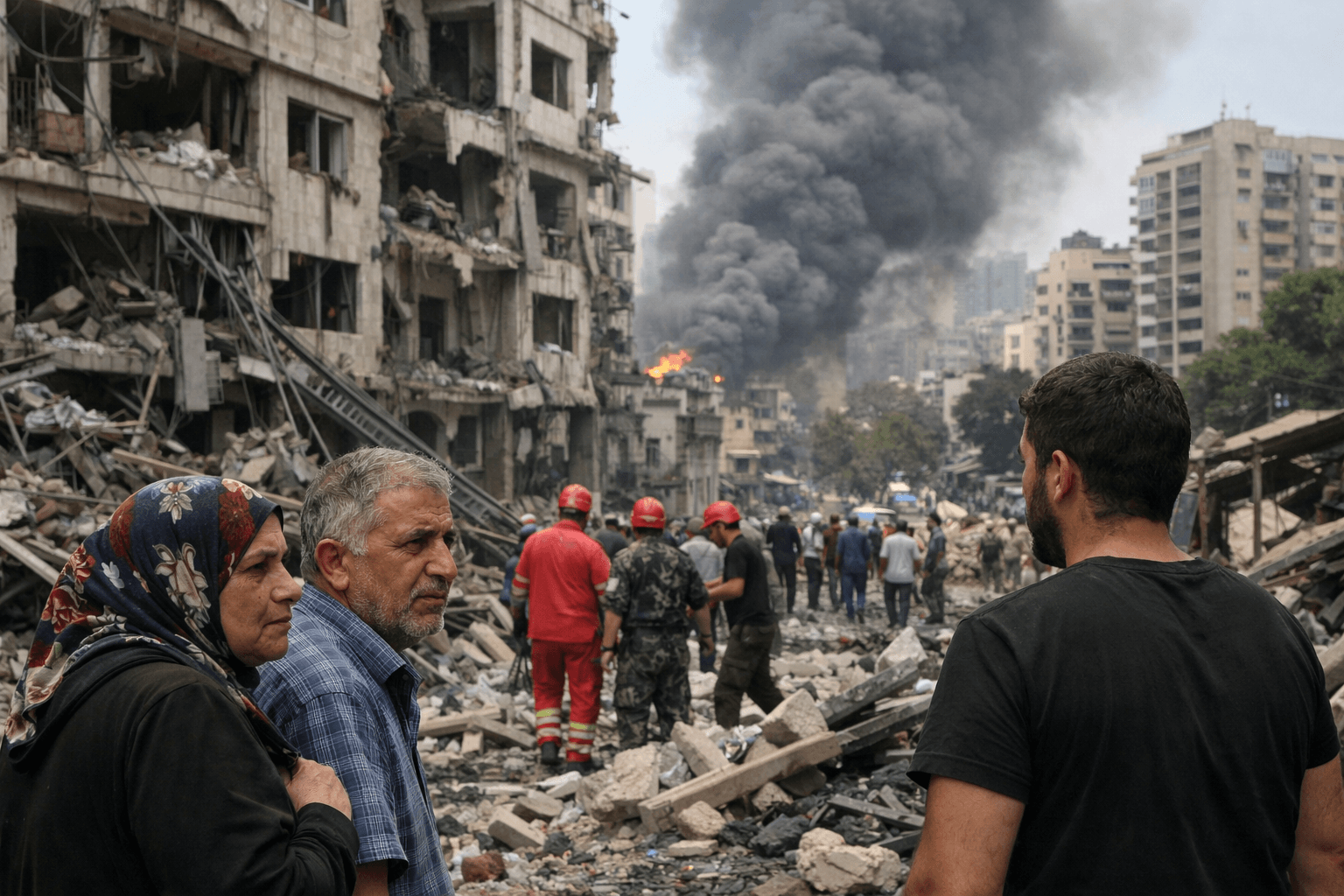
The fragile ceasefire between Israel and Hezbollah in Lebanon is on the brink of collapse, as a recent surge in violence has plunged the region into uncertainty. Israeli strikes on Beirut and southern Lebanon have marked a significant escalation, threatening not only the local population but also the broader Middle East peace process. The latest attacks, which include the first strike on the Lebanese capital in weeks, have raised concerns about the stability of the ceasefire and the potential for wider conflict. As the situation continues to deteriorate, the humanitarian impact on civilians is becoming increasingly dire.
The conflict between Israel and Hezbollah in Lebanon has been ongoing, with a ceasefire in place since April 17. However, recent escalations have raised concerns about the stability of the ceasefire and the potential for wider conflict. The region is further complicated by regional and international factors, including the involvement of the United States and Iran in peace negotiations. As the situation continues to unfold, it is essential to understand the complex dynamics at play and the potential implications for the region.
The Israeli military has declared areas south of the Zahrani River as combat zones and issued evacuation warnings to residents, citing the need to take forceful action against Hezbollah. The move has led to a significant increase in violence, with 56 additional deaths reported in a single day and huge destruction observed in residential areas of Nabatieh. Residents from threatened areas in Tyre and Nabatieh have been evacuating, with some shelters reportedly full, and authorities urging people to head to Beirut. The psychological impact on families, especially during significant events like the Muslim holiday of Eid al-Adha, should not be underestimated. For example, residents of Tyre who received evacuation warnings had to converge on safer parts of the city, only to find that shelters were full, prompting authorities to advise them to head to Beirut.
The scheduled talks between Lebanese and Israeli military delegations at the Pentagon are crucial in achieving a lasting ceasefire. The key issues that need to be addressed include the extension of state authority across Lebanon and the demilitarization of areas controlled by Hezbollah. Regional and international actors, such as the United States and Iran, will play a significant role in mediating the conflict and ensuring that peace negotiations remain on track. The United States, in particular, has been engaged in ongoing talks with Iran, and the success of these negotiations will have a direct impact on the stability of the region. If the conflict escalates further, the potential consequences for the region could be catastrophic, affecting not only Lebanon but also neighboring countries and the global community.
The situation in Lebanon is precarious, and the international community must act swiftly to prevent further escalation. As the ceasefire teeters on the brink of collapse, it is essential to address the underlying issues driving the conflict and work towards a lasting solution. The humanitarian impact on civilians must be prioritized, and all parties involved must commit to finding a peaceful resolution to the conflict.