

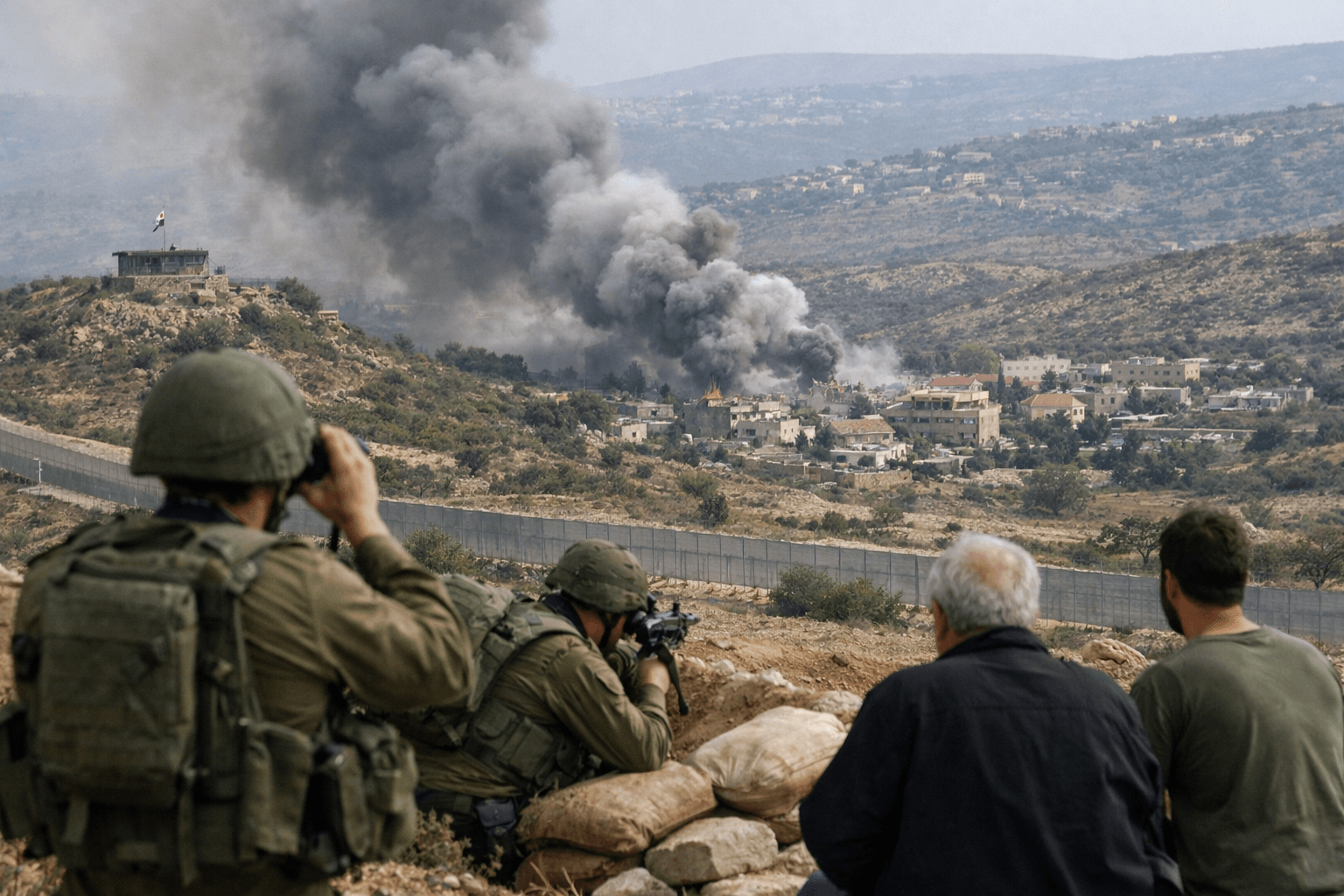
US President Donald Trump announced that Israel and Hezbollah had agreed to dial back fighting, but the conflict continues to escalate. The conflict between Israel and Hezbollah in Lebanon is threatening to derail US-Iran peace talks, with Iran warning that Israeli attacks in Lebanon could jeopardize a potential ceasefire agreement. At least 3,433 people have been killed in Lebanon and over 1 million people displaced, according to reports.
Israel detected missile launches from Lebanon and warned Israelis in northern Israel to take cover, while Hezbollah fired rockets at northern Israel, including the outskirts of Haifa. Iranian Foreign Minister Abbas Araghchi stated that any ceasefire agreement between the US and Iran must include a 'ceasefire on all fronts, including Lebanon'. The US and Iran have exchanged strikes, straining an already fragile ceasefire.
A nominal ceasefire between Israel and Hezbollah went into effect on April 17, but recent days have seen an exchange of fire, with Israel ordering strikes on the southern suburbs of Beirut. The conflict's impact on US-Iran peace talks is significant, with some sources reporting that Iran has suspended talks and others stating that talks are ongoing. The potential consequences of a wider regional conflict are dire, with the possibility of disruption to global oil supplies and further loss of life.
As the conflict continues to escalate, the fate of US-Iran peace talks hangs in the balance, with Iran's warning that Israeli attacks in Lebanon could jeopardize a potential ceasefire agreement looming large. The role of other regional players, such as Saudi Arabia, in the conflict remains unclear, adding to the uncertainty and tensions in the region. With the conflict showing no signs of abating, the international community waits to see if a ceasefire can be negotiated, and if US-Iran peace talks can be salvaged. The situation remains volatile, with all parties involved seeking a resolution to the conflict.