

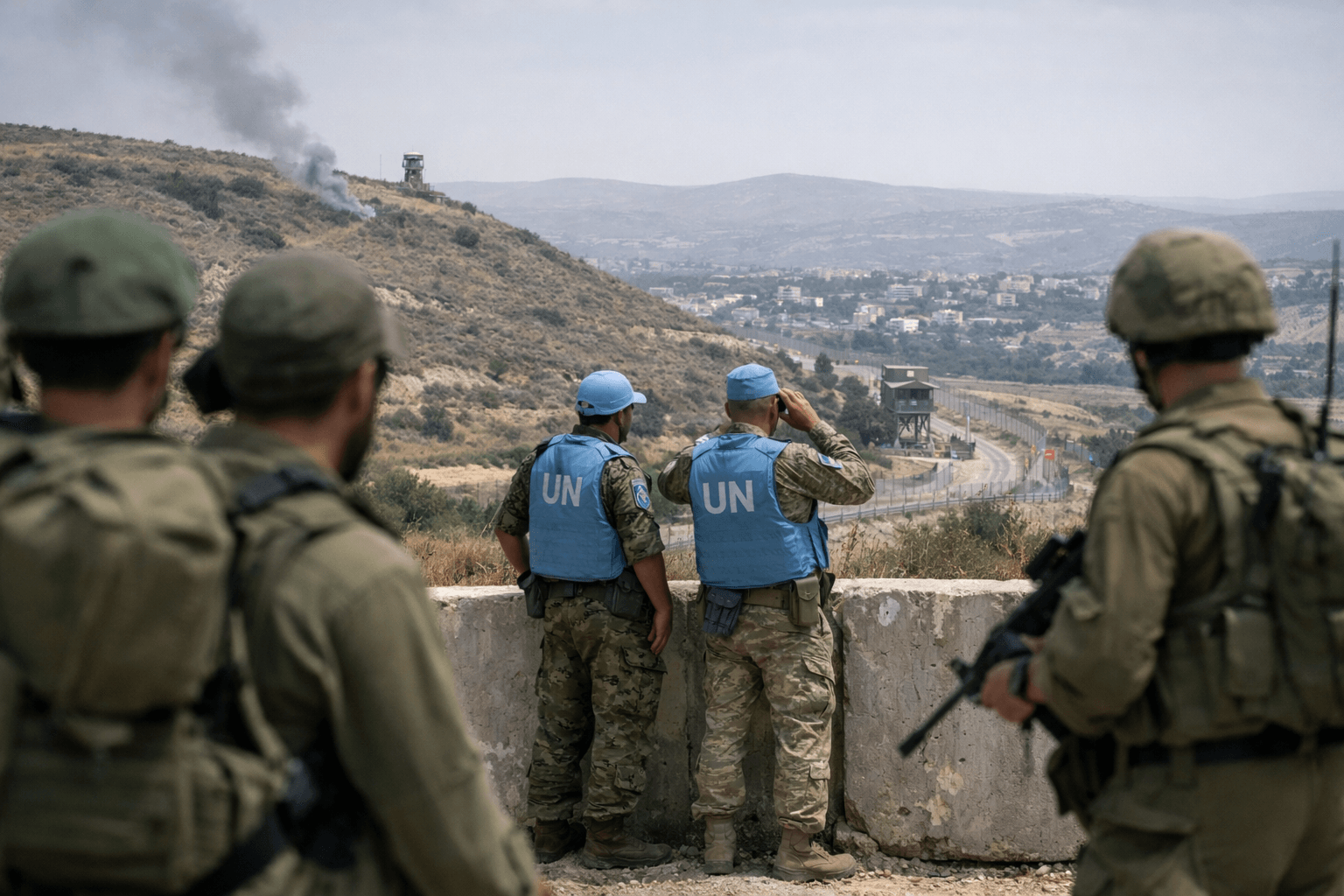
A ceasefire between Israel and Hezbollah, known as the Israel-Hezbollah Ceasefire, is holding by a thread, despite continued exchanges of fire between the two sides. US President Donald Trump announced a mutual cessation of attacks, but the fragile truce is crucial for preventing further escalation in the Middle East. The conflict has already resulted in significant loss of life, with at least 3,433 people killed in Israeli attacks on Lebanon since March 2, and 27 Israeli military personnel killed in southern Lebanon since early March.
The conflict began on March 2, when Hezbollah fired rockets at Israel in retaliation for the US-Israeli killing of Iran's supreme leader, Ayatollah Ali Khamenei. A truce to halt the fighting in Lebanon began on April 17, but was not consistently observed. Israel's Prime Minister Benjamin Netanyahu has warned that Israel would strike 'terror targets' in Beirut if Hezbollah does not stop attacking Israel.
The US has backed Israel's operations against Hezbollah while pursuing a deal with Iran to end the war and reopen the Strait of Hormuz. However, Iran has suspended dialogue with mediators over Israel's expanding offensive in Lebanon. The humanitarian situation in Lebanon is deteriorating, with reports of families fleeing their homes and seeking shelter. The UN Secretary-General has called for all sides to respect the cessation of hostilities.
As the situation remains volatile, the question on everyone's mind is whether the US-brokered ceasefire can hold. The terms of the ceasefire and how they will be enforced remain unclear, and the conflict's impact on the broader Middle East, particularly in terms of oil supplies and regional stability, is still uncertain. The US and other international players, such as the UN and the EU, will play a crucial role in mediating a lasting peace between Israel and Hezbollah.
The next step will be to see if the parties involved can agree on a lasting ceasefire and begin negotiations to address the underlying issues driving the conflict. The US-brokered ceasefire is a crucial step towards preventing further escalation, but it is only the beginning. A lasting peace will require a commitment from all sides to respect the ceasefire and work towards a negotiated solution. The international community will be watching closely to see if the parties involved can put aside their differences and work towards a peaceful resolution.