

Israel's Gaza Flotilla Incident Sparks Diplomatic Firestorm
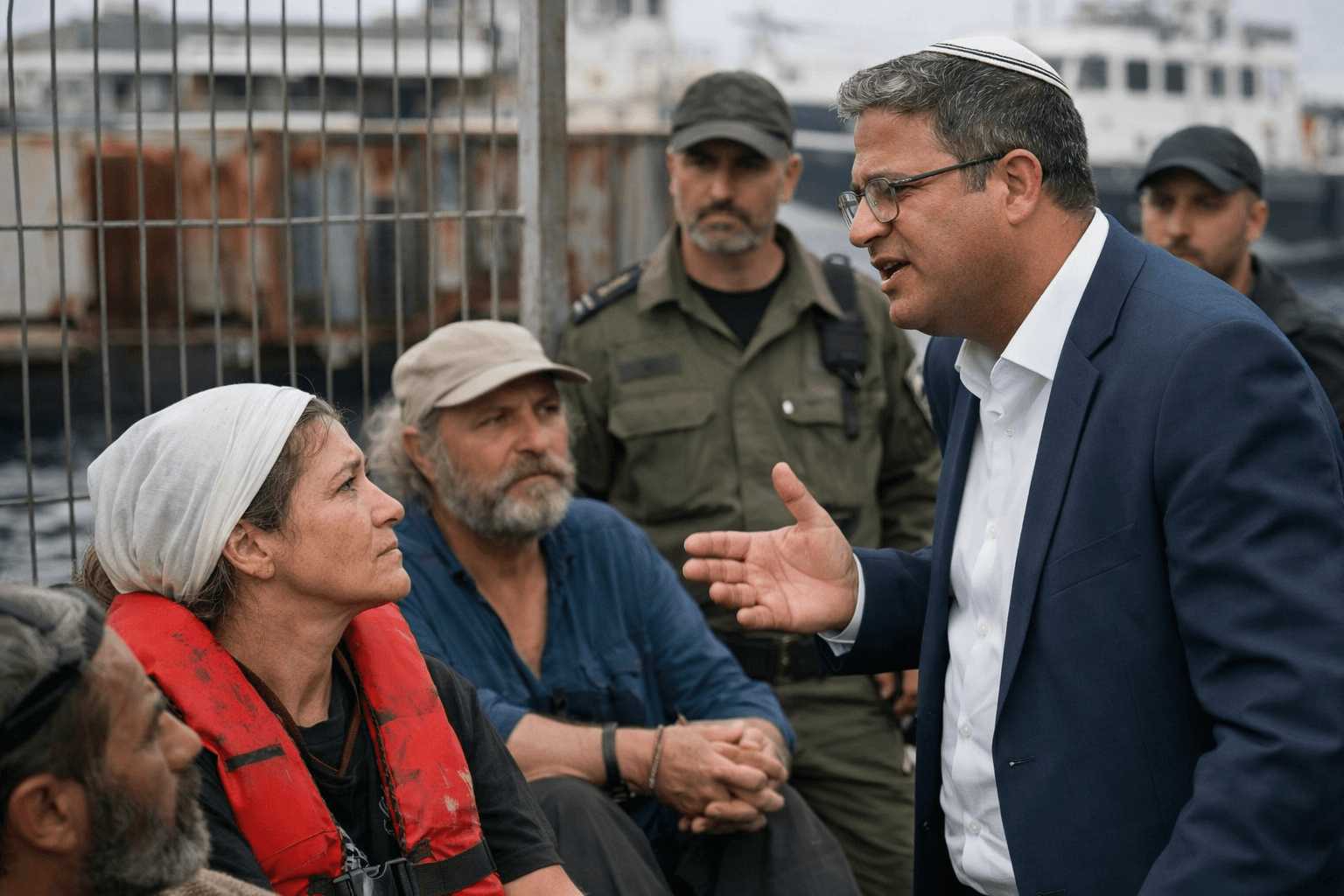
Israel's recent incident involving National Security Minister Itamar Ben-Gvir taunting detained Gaza flotilla activists has sparked widespread condemnation, but what's more striking is the stark contrast between the Israeli government's treatment of international activists and its own citizens' views on the matter. Many Israelis, including high-ranking officials, have denounced Ben-Gvir's actions, exposing deep divisions within the country. The detained activists, approximately 430 in total, were part of a flotilla that aimed to breach Israel's blockade of Gaza, which has been in place since 2007. The blockade, imposed by Israel in response to Hamas's rise to power, has been a contentious issue, with critics arguing it amounts to collective punishment and Israel maintaining it is necessary to prevent Hamas from arming itself.
The recent incident is the latest in a series of attempts by activists to challenge the blockade and highlight the dire conditions in Gaza, where nearly 2 million Palestinians live with limited access to basic necessities like food, water, and medical care. As the world watches in outrage, Ben-Gvir's actions have sparked a diplomatic firestorm, with numerous countries, including France, Italy, the UK, and Canada, condemning the treatment of their citizens. At least two activists were hospitalized after being shot with rubber bullets, according to Adalah, an Israel-based legal advocacy group, which accused Israeli authorities of employing a criminal policy of abuse and humiliation against activists.
Israeli Prime Minister Benjamin Netanyahu has instructed that the activists be deported as soon as possible, while Ben-Gvir has called for them to be imprisoned for a long time. The US Treasury has imposed sanctions on several European activists aboard the flotilla, labeling them pro-terror, further complicating the international response to the incident. The incident has also affected the families of those detained, who are awaiting news of their loved ones' fate. The blockade of Gaza has had a devastating impact on the local population, with limited access to basic necessities like food, water, and medical care.
The long-term consequences of Ben-Gvir's actions for Israel's relationships with other countries, particularly in Europe and North America, remain to be seen. However, one thing is certain: the incident has exposed deep divisions within Israel and strained relationships with international allies, making a peaceful resolution to the Israeli-Palestinian conflict even more elusive. The Israeli government will need to balance its desire to maintain the blockade of Gaza with the need to address international concerns about human rights and the treatment of detained activists.
The US, with its historical support for Israel's security policies, will likely play a key role in mediating the situation, but its imposition of sanctions on European activists has already complicated the international response. As the situation continues to unfold, one thing is clear: the incident has sparked a diplomatic firestorm that will have far-reaching implications for Israel's relationships with the international community and the prospects for a peaceful resolution to the Israeli-Palestinian conflict.