

Jet fuel shortage: Why Iran war could ground flights in Europe
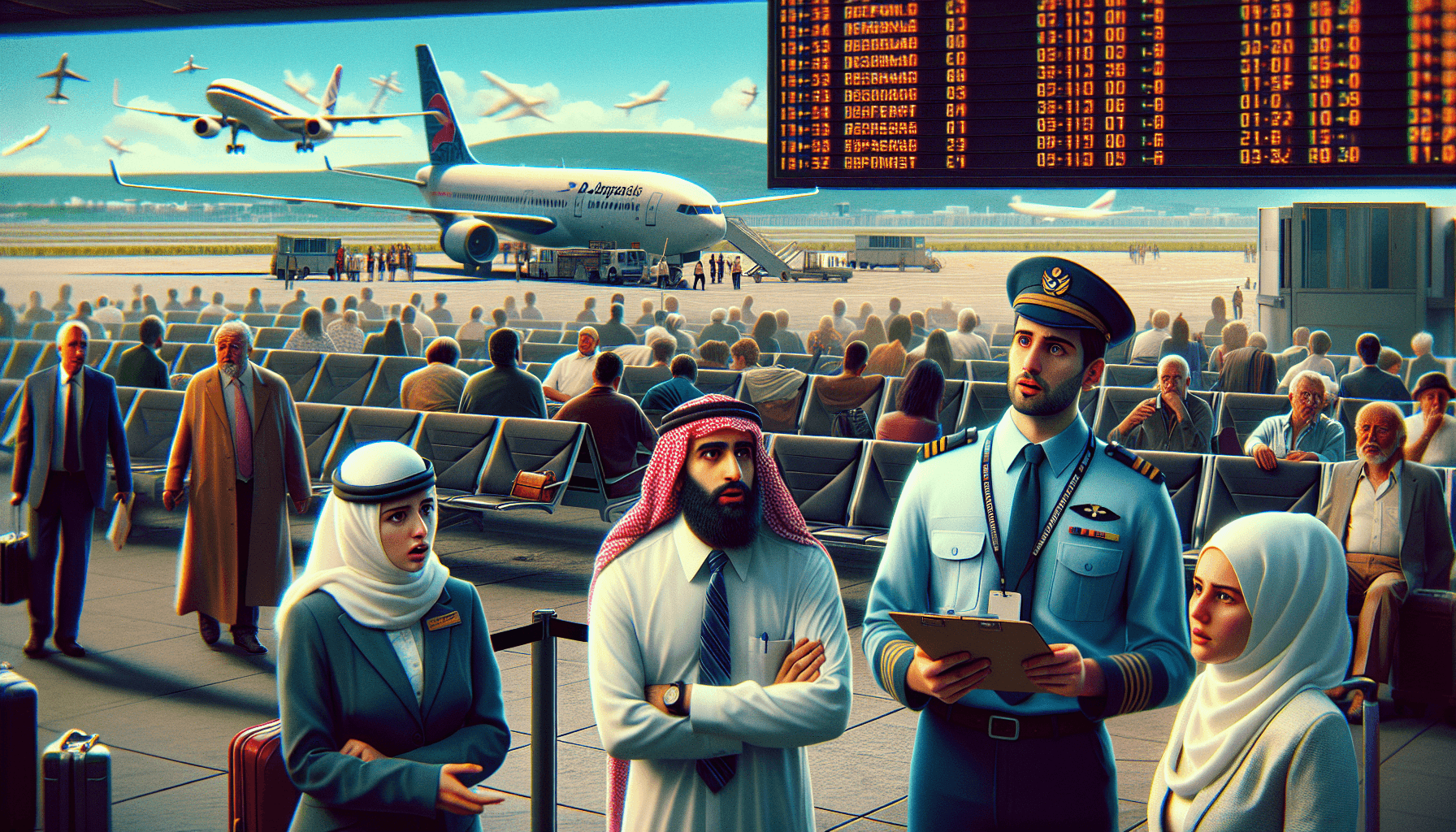
Europe's Summer Travel Season Threatened by Jet Fuel Shortage
As the summer travel season kicks off, a perfect storm of geopolitics and economics is threatening to ground flights across Europe, leaving thousands of passengers facing cancellations, delays, and chaos at airports. The International Energy Agency warns that Europe has only about six weeks of jet fuel reserves left, due to the disruption of supplies from the Gulf. With tensions in the Strait of Hormuz escalating, the region's reliance on imported oil and jet fuel has made it vulnerable to supply chain disruptions. The summer travel season, which typically sees a surge in air travel, is expected to be particularly affected by the fuel shortage.
The Strait of Hormuz, a critical waterway for oil exports, has been effectively closed, causing a significant reduction in jet fuel imports to Europe. This has led to a doubling of jet fuel prices in recent weeks, forcing airlines to increase baggage fees and raise fares to offset the higher costs. The European aviation industry is bracing for the impact of a systemic jet fuel shortage that could ground flights and leave thousands of passengers stranded. Airlines such as British Airways, Lufthansa, and Air France are already feeling the pinch, with some considering reducing flight schedules or consolidating routes to mitigate the effects of the fuel shortage.
The potential consequences of the fuel shortage are far-reaching, with thousands of passengers, including families, business travelers, and tourists, set to be affected. A family planning a summer vacation to Europe may find their flights canceled or rescheduled, causing significant inconvenience and financial losses. Similarly, business travelers relying on air travel to attend meetings and conferences may face disruptions to their schedules, impacting their work and productivity. The IEA estimates that Europe relies on the Strait of Hormuz for approximately 20% of its jet fuel imports, making it vulnerable to supply chain disruptions. Airports such as London's Heathrow, Paris's Charles de Gaulle, and Frankfurt Airport are likely to be among the most impacted, with potential flight cancellations and disruptions to travel plans.
Airlines and airports are taking specific measures to mitigate the effects of the jet fuel shortage, including reducing flight schedules, consolidating routes, and exploring alternative fuel sources. Some airlines are considering using smaller aircraft or adjusting their flight routes to reduce fuel consumption. However, these measures may not be enough to offset the impact of the fuel shortage, and passengers are likely to face significant disruptions to their travel plans. The long-term consequences of the fuel shortage for the European aviation industry are also a concern, with potential impacts on the broader economy. As the situation continues to unfold, one thing is clear: the summer travel season in Europe is set to be one of chaos and disruption.
The impact of the jet fuel shortage will be felt across Europe, with thousands of passengers facing cancellations, delays, and chaos at airports. As the situation continues to unfold, airlines, airports, and governments are under pressure to find solutions to mitigate the effects of the fuel shortage. With the summer travel season already underway, the clock is ticking to find a solution to the crisis, and prevent a summer of travel chaos.