

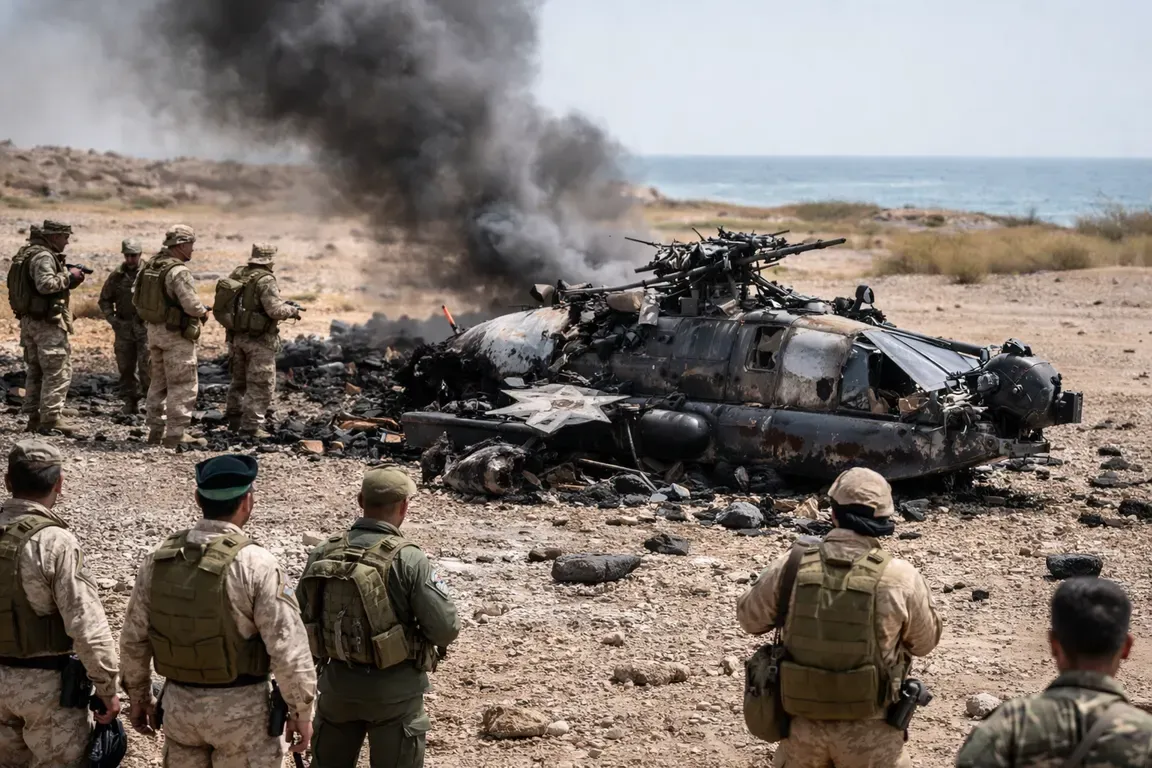
A US Apache helicopter was shot down by Iran near the Strait of Hormuz, raising concerns about a potential US response and its impact on the fragile ceasefire in the Middle East, amid the ongoing Iran US Conflict. The incident occurred in a region crucial for global oil shipments, and the downing of the helicopter has significant implications for the already fragile ceasefire in place since April 8.
The helicopter had a crew of two, and both members were rescued by an American sea drone off the coast of Oman, according to reports. The crew members were unharmed and in stable condition. This incident is the second time Iran has shot down a US crewed aircraft, following the loss of an F-15 fighter plane in April.
The US and Iran are struggling to negotiate an end to the war, with a ceasefire in place since April 8. President Trump has vowed to retaliate, stating that the US 'must' respond to the attack. The US response to the attack is still unclear, but the incident has heightened tensions between the two countries.
The escalation of US-Iran tensions could affect the Middle East region, global oil markets, and the soldiers and civilians involved in the conflict. As the US and Iran engage in a war of words over the downed helicopter, the region teeters on the brink of further conflict. The next step will be to see how the US responds to the attack and whether the ceasefire will hold.
The incident has raised questions about the implications of Iran's actions and the potential consequences for the region and global oil markets. The US and Iran have been engaged in a conflict that has put a strain on the Middle East, and this latest incident may further destabilize the region. The international community is watching closely, as the situation between the US and Iran continues to unfold.