

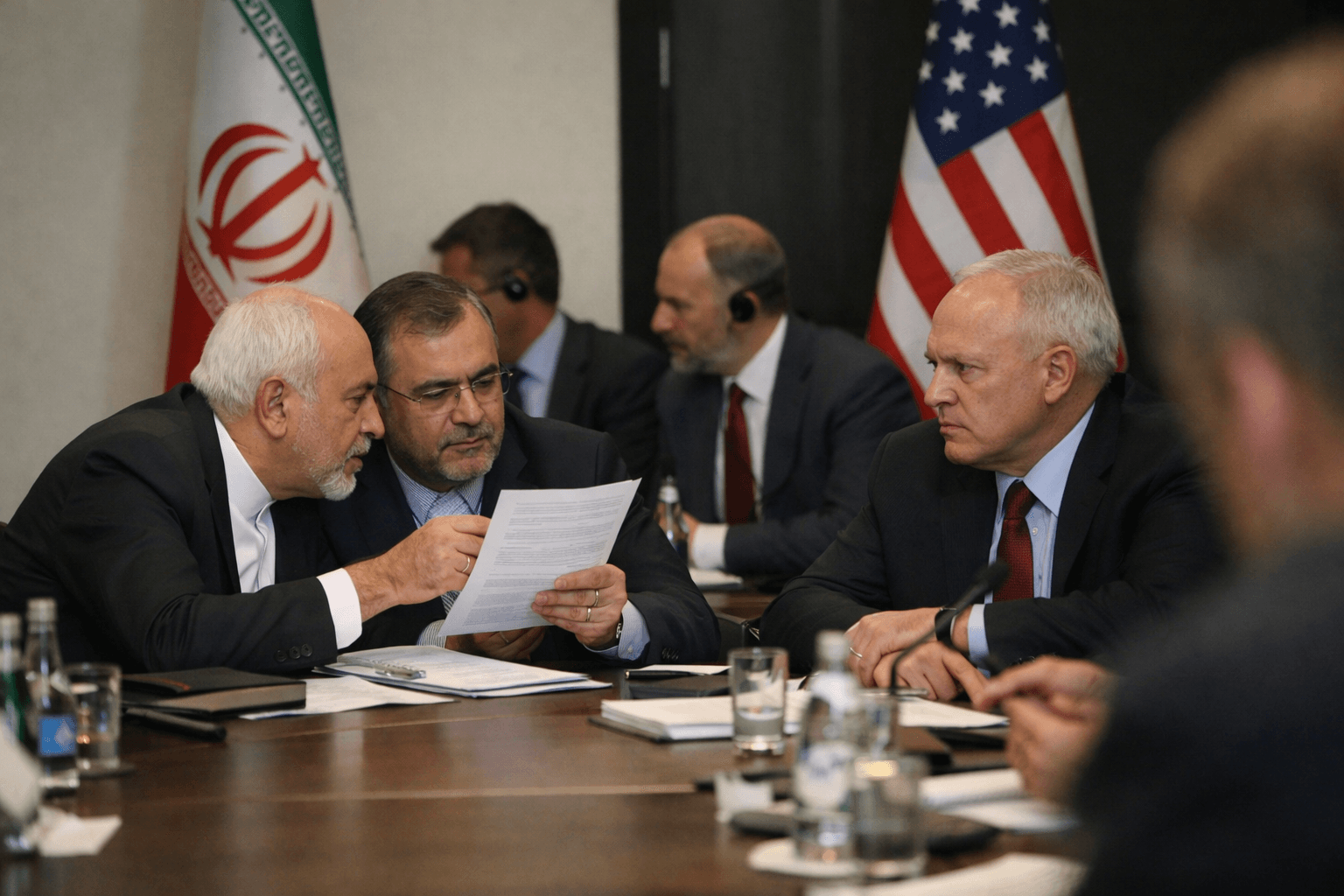
Iran nuclear deal negotiations have reached a critical impasse, with the Trump administration refusing to budge on sanction relief and Iranian state media releasing a purported draft of a peace deal outline that the White House quickly dismissed as a fabrication. This development highlights the deep-seated mistrust and complexity surrounding the talks, which have been ongoing for months. As the negotiations teeter on the brink of collapse, the stakes are high, with significant human implications for Iranian citizens, families of detained dual nationals, and people in the region.
The Iran nuclear deal, also known as the Joint Comprehensive Plan of Action, was signed in 2015 between Iran, the US, and other world powers, but President Trump withdrew the US from the agreement in 2018, citing concerns over Iran's ballistic missile program and regional activities. Since then, tensions between the US and Iran have escalated, with the US imposing severe economic sanctions on Iran.
The US and Iran are disagreeing on specific terms and conditions, including sanction relief, which the White House has explicitly stated will not be granted. President Trump has emphasized that high oil prices will not force his hand into making a deal with Iran, indicating that economic pressure will not be a decisive factor. The Iranian state media's release of a purported peace deal draft, which included specific terms and conditions, has only added to the confusion and mistrust surrounding the talks. The draft outlined a potential agreement that would include the lifting of some sanctions in exchange for Iran's commitment to limit its nuclear program. However, the White House denied the authenticity of the draft, calling it a fabrication and a desperate attempt by Iran to sway public opinion.
The potential consequences of the US walking away from the negotiations are significant, with the possibility of increased tensions and conflict in the region. The release of the purported peace deal draft by Iranian state media has revealed the level of mistrust between the parties, with each side accusing the other of bad faith. Other world powers, such as Europe and China, may play a crucial role in trying to salvage the deal or broker a new agreement between the US and Iran. As the negotiations stall, the human implications are already being felt, with Iranian citizens facing economic hardship due to soaring inflation and unemployment, and families of detained dual nationals hoping for a resolution to the diplomatic impasse.
The failure of the negotiations could have far-reaching consequences, including the potential for increased conflict in the region and a worsening of the humanitarian crisis in Iran. As the situation continues to unfold, one thing is clear: the fate of the Iran nuclear deal hangs in the balance, and the world is watching with bated breath.