

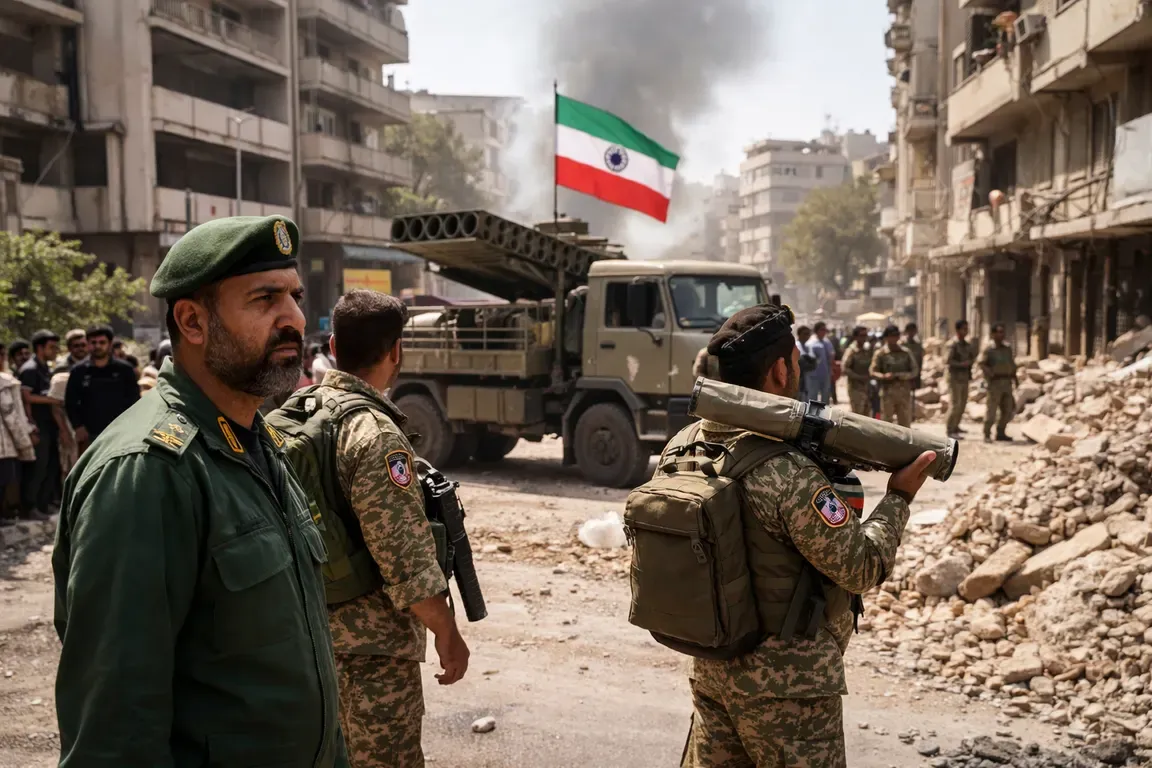
Iran has changed its approach in Lebanon, now using its own military firepower instead of relying on proxy forces, increasing the risk of a broader regional conflict. The situation in Lebanon has become a critical point in the Iran-Israel conflict, with the potential for a wider war that could involve other countries and have significant humanitarian and economic consequences. Iran and Israel have been using Lebanon as a battleground, with Iran warning that it will stop talks and resume attacks if Israel continues to strike Lebanese targets.
Analysts consider Iran's switch from proxies to its own firepower a significant development, but the motivations behind this shift are unclear. Some attribute it to a desire to protect its proxy forces, while others see it as a more aggressive move. The conflict has been escalating in recent weeks and months, with Iran and Israel engaging in a series of retaliatory attacks and warnings.
The people of Lebanon are caught in the middle, facing the possibility of a wider war that could have devastating consequences, including loss of life, displacement, and economic disruption. Iran's shift in strategy has significant implications, and Israel is likely to respond with increased military action, further escalating the conflict.
The potential humanitarian and economic consequences of a wider war in the region are severe. The international community is watching with concern, and the next step will be crucial in determining the outcome of this crisis. As the conflict continues to escalate, finding a way to mitigate these consequences and prevent further escalation is becoming increasingly important.
The recent escalation in Lebanon is part of a larger pattern of tensions between Iran and Israel. Both countries have been engaged in a series of attacks and counterattacks, with each side seeking to assert its influence in the region. The use of Lebanese territory as a battleground has raised concerns about the stability of the region and the potential for a broader conflict.