

Iran Deal Nears, Bringing Hope to War-Torn Region
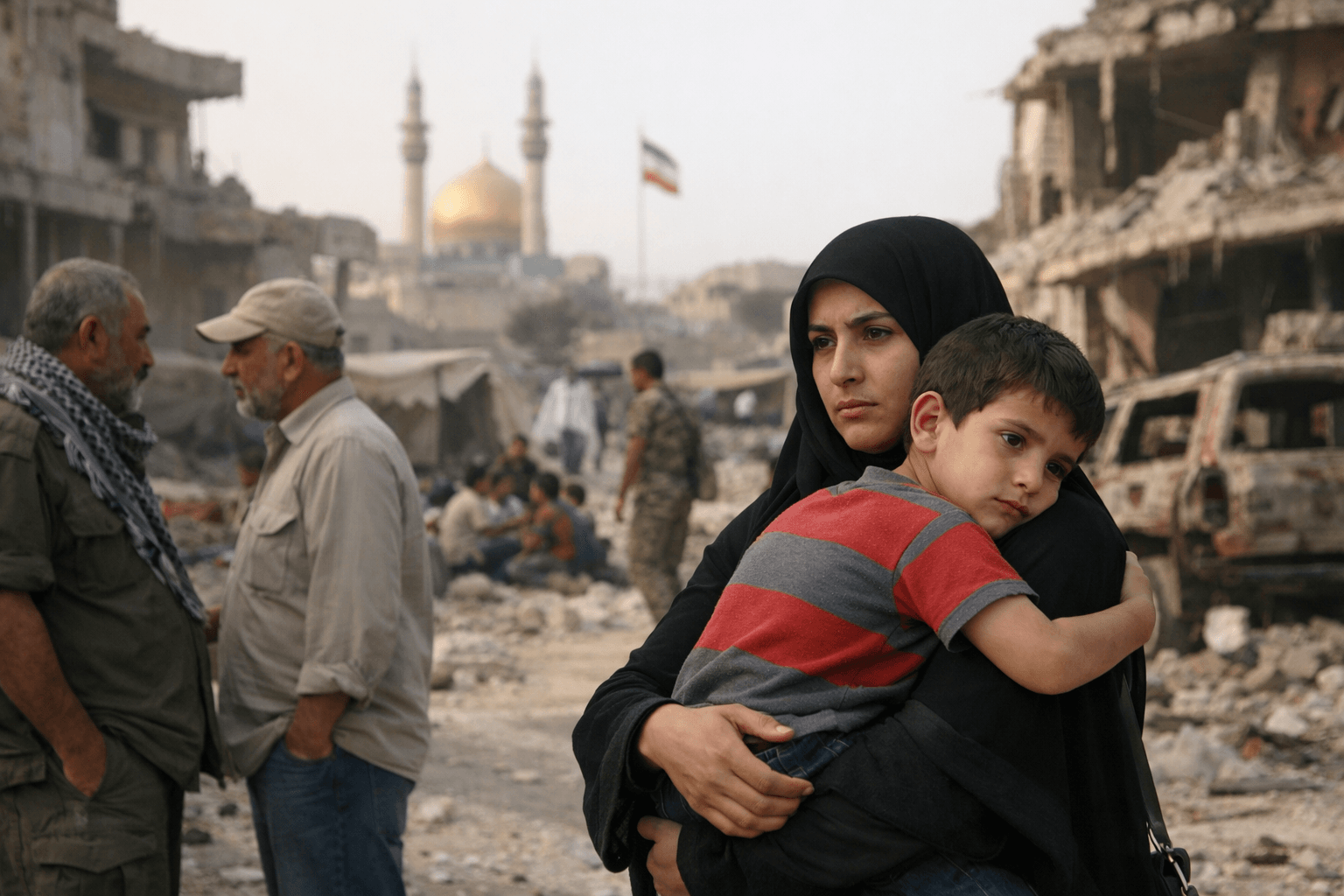
As the world waits with bated breath, a potential deal to end the war with Iran could be finalized as early as Monday, offering a glimmer of hope for a region teetering on the brink of chaos. US Secretary of State has revealed that a pretty solid agreement is on the table, which would require a 60-day ceasefire extension and the reopening of the Strait of Hormuz, a critical waterway for global oil trade. The proposed deal has garnered support from countries in the Gulf, with the understanding that every country consulted views the proposal as very reasonable and the right thing for the world to get done.
The conflict between the US, Israel, and Iran has been ongoing since February 28, with a fragile ceasefire in place since April 8. The closure of the Strait of Hormuz has exacerbated tensions and economic concerns, affecting millions of people in the region. Iranian civilians have faced shortages of essential goods, while Israeli citizens have lived under the threat of rocket attacks. A successful agreement would bring much-needed relief to these communities, paving the way for negotiations on Iran's nuclear program and addressing the underlying issues driving the conflict.
The proposed deal involves a 60-day ceasefire extension, during which the Strait of Hormuz would be reopened, allowing for the free flow of oil and easing economic pressures on the region. The agreement would also require Iran to engage in time-limited negotiations on the nuclear matter, a crucial step towards resolving the conflict. It is emphasized that Israel has the right to defend itself against attack, including responding to or preventing missile launches by Hezbollah. The US President has tempered expectations of a deal, instructing negotiators not to rush into an agreement, and assurances have been made that no bad deal would be made. The reopening of the Strait of Hormuz would have a significant impact on global oil trade, with the potential to stabilize prices and boost economic growth in the region.
The potential consequences of the deal falling through are dire, with the possibility of renewed violence and escalation in the region. Alternative strategies might include increased diplomatic pressure on Iran, as well as economic sanctions to coerce the country into negotiations. However, a successful agreement would be a major breakthrough, offering a chance for peace and stability in a region that has been plagued by conflict for months. As the world waits to see if the deal will come to fruition, one thing is clear: the fate of the region hangs in the balance, and the consequences of failure would be catastrophic.
The success of the deal would depend on the ability of the parties involved to enforce the terms of the agreement, including the ceasefire extension and the reopening of the Strait of Hormuz. The international community would need to play a crucial role in monitoring the situation and ensuring that all parties comply with the terms of the deal. If successful, the agreement would be a major step towards resolving the conflict and paving the way for a more stable and peaceful region.