

Hormuz Strait Closure Threatens Global Food Security
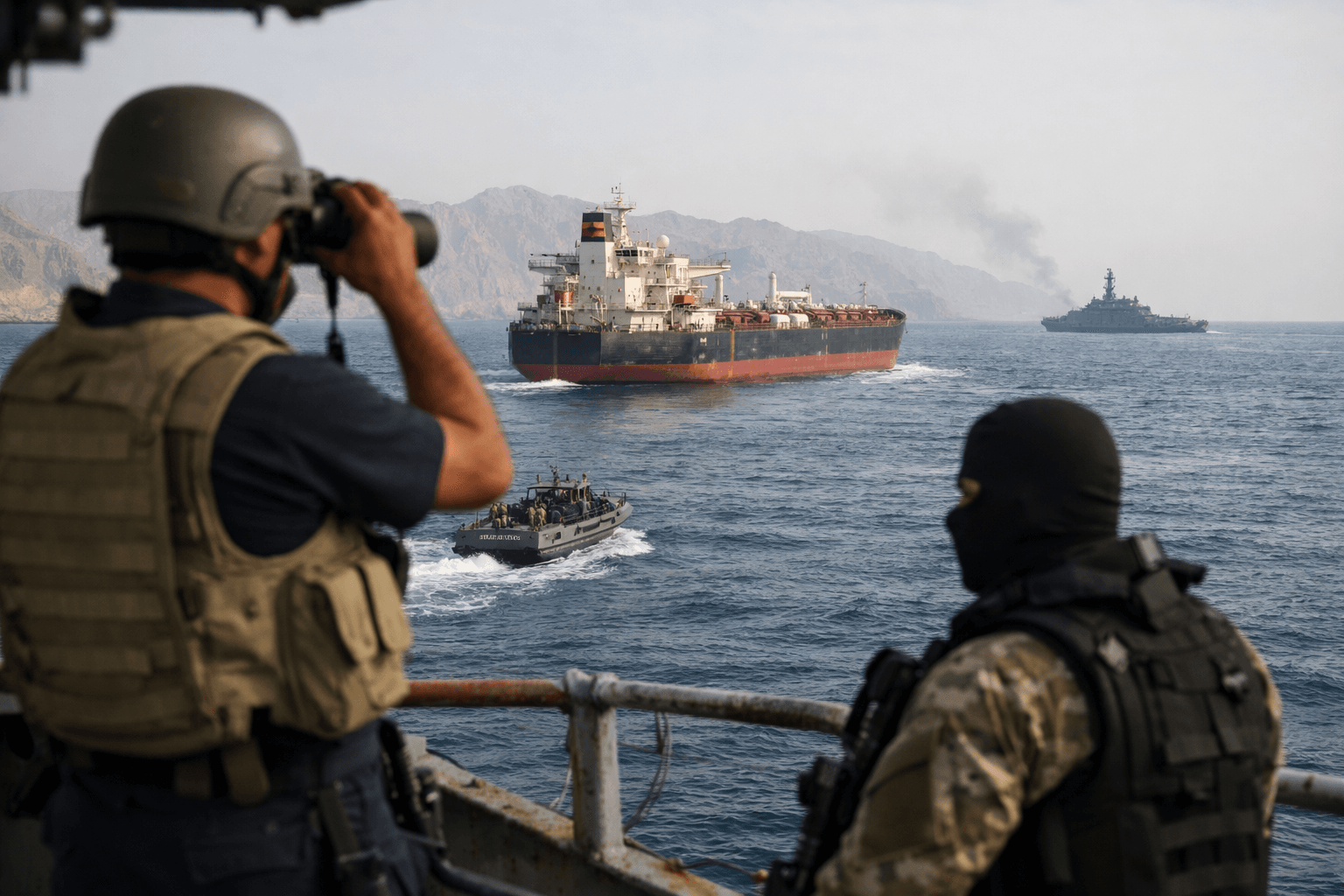
As the United States and Iran engage in intensified diplomatic efforts, with Pakistan playing a crucial mediation role, the fate of the Strait of Hormuz and the global economy hangs precariously in the balance. The world is teetering on the brink of a potentially catastrophic conflict, with the closure of the strategic waterway already causing concerns about higher food prices and shortages. With a fifth of the world's oil and liquefied natural gas normally passing through the Strait, the economic implications of its continued closure are dire. The human impact is also being felt, particularly in regions reliant on oil and gas imports, where existing food security issues are being exacerbated. The conflict between the US and Iran has been ongoing, with a ceasefire halting open fighting on April 8, but a war of words and sporadic violence continuing. The diplomatic efforts, led by Pakistan's mediation, aim to secure a formal end to the war and reopen the Strait of Hormuz. Iranian foreign ministry spokesman Esmaeil Baqaei stated that Tehran has received the US proposal and is examining it, with Iran demanding the release of frozen assets and an end to the US blockade of Iranian ports. Pakistan's interior minister has arrived in Tehran for his second visit in less than a week, and Pakistan's military chief Asim Munir is also set to travel to Tehran for talks.
The closure of the Strait of Hormuz is having far-reaching consequences, with the United Nations' Food and Agriculture Organization warning of a severe global food price crisis and a systemic agri-food shock. The waterway carries around a third of global fertilizer shipments, and its closure is already causing concerns about food shortages and price increases. In regions such as Yemen, Somalia, and South Sudan, where food security is already a major issue, the closure of the Strait is exacerbating existing problems. The US has imposed a counterblockade on Iranian ports, with US Central Command redirecting 91 commercial ships since the blockade began. The Revolutionary Guards' navy is allowing only a limited number of vessels to pass through the Strait, including oil tankers, with 26 vessels passing through over a 24-hour period.
The potential consequences of a renewed conflict between the US and Iran are dire, with Iran's Revolutionary Guards warning that any renewed conflict would spread far beyond the Middle East. US President Donald Trump has stated that the talks are on the borderline between a deal and renewed strikes. The world is watching with bated breath as the diplomatic efforts continue, with the fate of the Strait of Hormuz and the global economy hanging in the balance. The human impact of the conflict and the closure of the Strait is already being felt, and it is imperative that a solution is found soon to prevent a catastrophic crisis.
The outcome of the talks is still uncertain, but one thing is clear: the world cannot afford a prolonged closure of the Strait of Hormuz. The economic and human implications are too severe, and it is imperative that a solution is found soon. As the diplomatic efforts continue, the world waits with bated breath, hoping that a deal can be reached and the Strait of Hormuz can be reopened, preventing a severe global food price crisis and a systemic agri-food shock.