

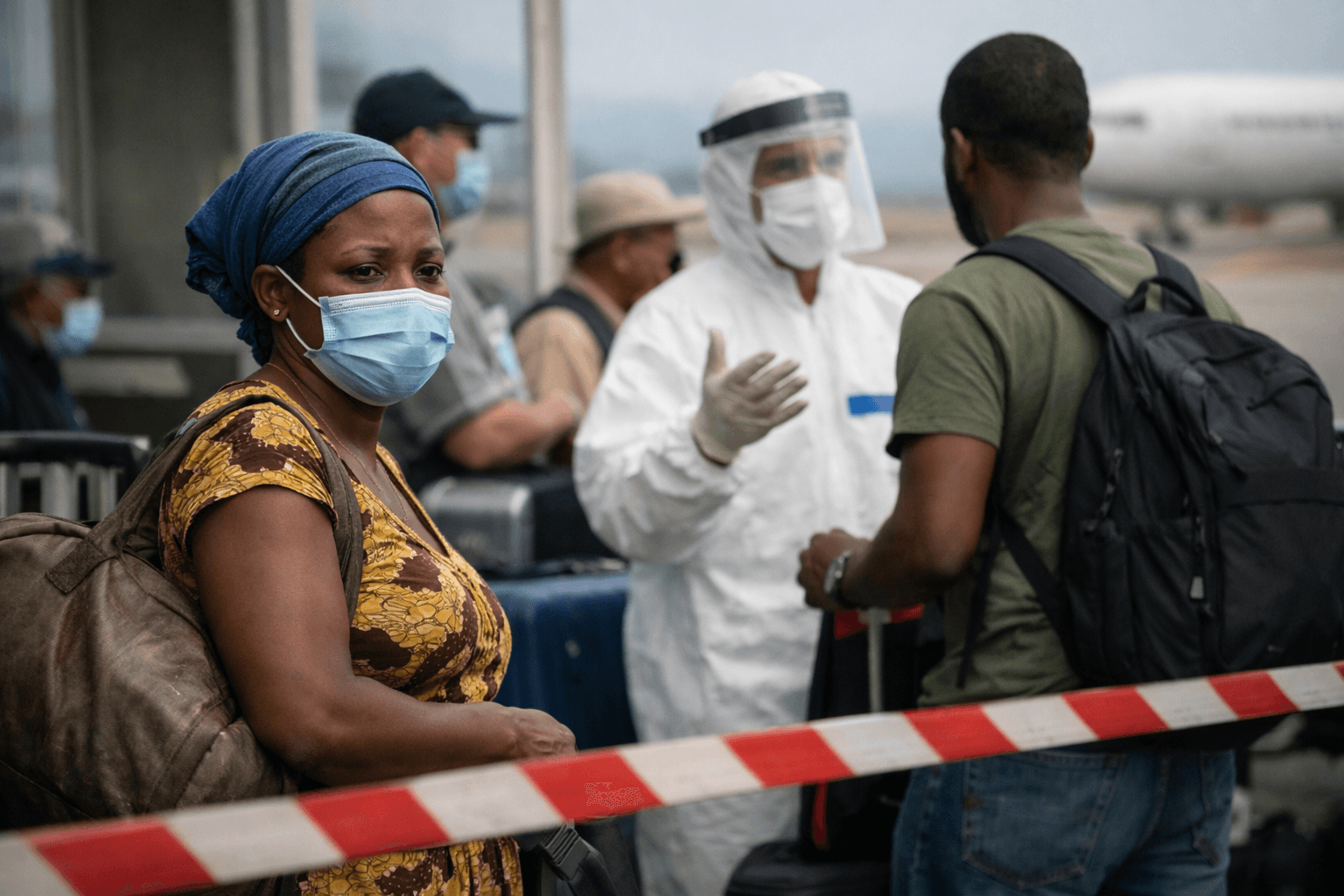
The Democratic Republic of Congo's escalating Ebola outbreak has prompted a wave of travel restrictions worldwide, leaving thousands of people facing isolation, economic hardship, and uncertainty about their future. As the number of suspected cases surpasses 900 and deaths exceed 220, countries like Uganda and Canada are taking drastic measures to prevent the disease from crossing their borders. Uganda has closed its border with the DRC, except for Ebola response teams and a few others who will undergo strict health screening. Meanwhile, Canada has introduced a 21-day self-isolation period for travelers from Ebola-affected regions. The current Ebola outbreak in the DRC is a rare and particularly virulent strain, which is outpacing response efforts. The World Health Organization has intensified aid efforts, but the outbreak's remote location and lack of infrastructure are hindering the response. The international community is taking precautions to prevent the spread of the disease, which has a high mortality rate if left untreated. The DRC city of Bunia is facing isolation due to airspace closure and Ugandan border curbs, adding economic strain to the already affected region.
The far-reaching consequences of these measures are being felt across the globe. In Canada, individuals who have traveled from the affected regions will be required to self-isolate for 21 days, which may cause difficulties for those traveling for work, education, or family reunification. The Canadian government has also temporarily suspended decisions on immigration applications from the affected countries for 90 days, which may leave many individuals seeking to flee the outbreak or reunite with their families in limbo. The economic consequences of the border closures and flight suspensions will likely be severe, with the city of Bunia facing potential food and medicine shortages. The international community is working to support the response efforts in the DRC, but more needs to be done to prevent the spread of the disease and mitigate its impact on local communities.
As the outbreak continues to spread, the international community is bracing for the long-term consequences of these travel restrictions. The 21-day self-isolation period in Canada will not only affect individuals who have traveled from the affected regions but also their families and communities. The temporary suspension of immigration applications will also have a significant impact on those seeking to flee the outbreak or reunite with their families. The World Health Organization and other global health authorities are working to intensify aid efforts and prevent the spread of the disease, but it may be months before the outbreak is brought under control.
The situation remains dire, with the outbreak showing no signs of slowing down. As the world waits with bated breath, one thing is certain: the Ebola outbreak in the DRC will have far-reaching consequences that will be felt for months to come.