

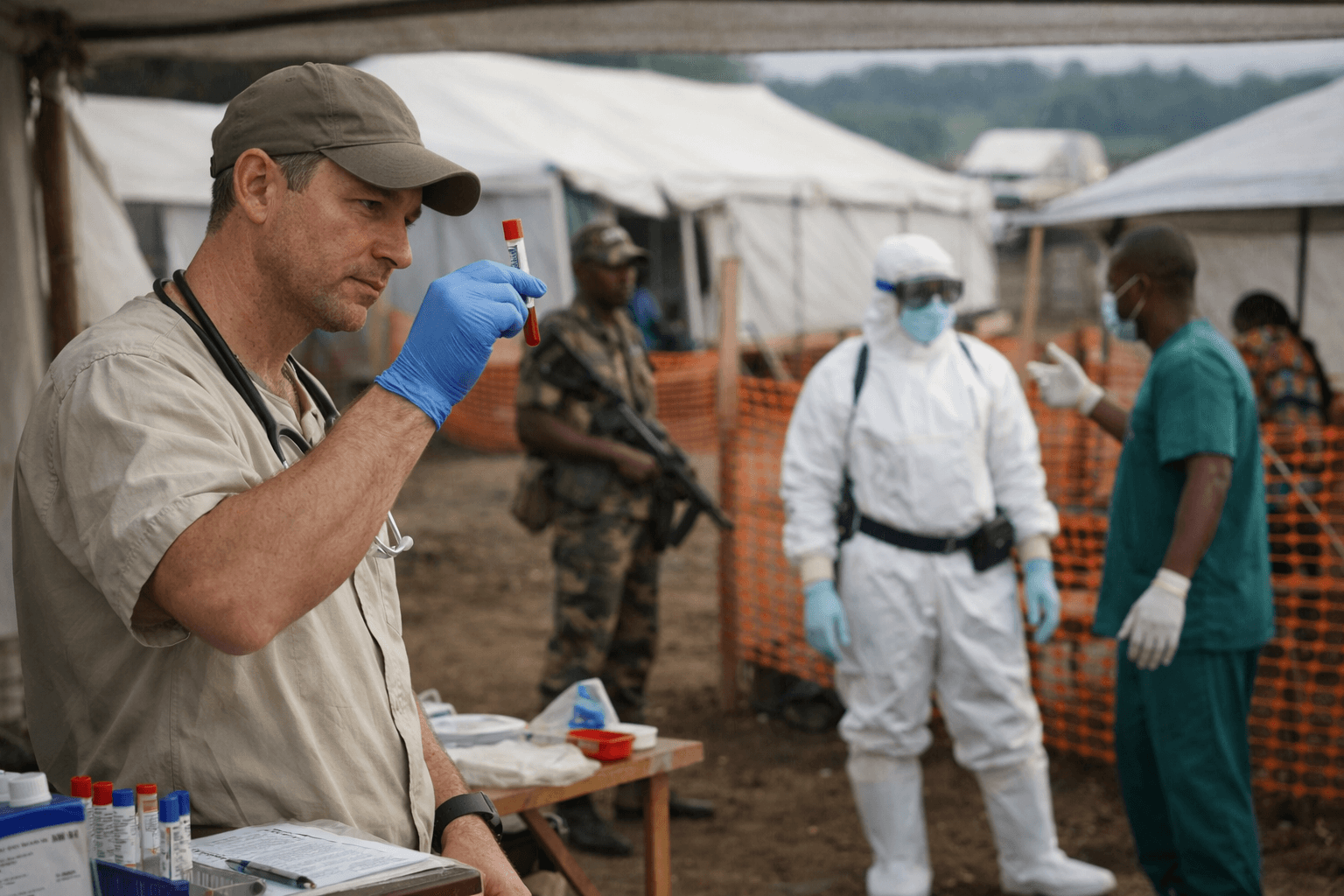
The Ebola outbreak in the Democratic Republic of Congo has raised concerns about the effectiveness of the US response, particularly given the country's withdrawal from the World Health Organization and the impact of funding cuts on international health efforts. As the outbreak continues to spread, killing over 100 people and infecting nearly 500, the US response has come under scrutiny. An American doctor is among the confirmed cases, and the US Centers for Disease Control and Prevention is working to evacuate six additional people for health monitoring. The outbreak has primarily affected people in the Democratic Republic of Congo, particularly women and individuals between the ages of 20 and 39.
The current Ebola outbreak is the second-largest in history, and the World Health Organization has declared it an international health emergency. The outbreak is caused by a rare species of Ebola that was not identified until weeks after the first cases were reported. The US withdrawal from the World Health Organization and funding cuts to international health efforts have raised concerns about the country's ability to respond effectively to global health crises. The US has implemented entry restrictions on non-US passport holders who have traveled to Uganda, DRC, or South Sudan within the past 21 days, and the US Embassy in Kampala, Uganda, has temporarily paused all visa services.
The US Centers for Disease Control and Prevention has deployed personnel to support outbreak containment efforts in affected regions and is providing assistance with contact tracing and laboratory testing. The US State Department has mobilized $13 million in aid for immediate response efforts, but critics argue that the US response has been slow and inadequate. For example, a Congolese family who lost a loved one to Ebola is now struggling to access medical care and basic necessities. The outbreak has also affected international responders, including the American doctor who contracted the virus while working in the DRC. The US and other countries must balance the need to protect their own citizens from the risk of Ebola transmission with the need to provide aid and support to affected countries.
The long-term implications of the outbreak for the people of the Democratic Republic of Congo are severe, with many communities struggling to access medical care and basic necessities. The international community must provide support and resources to affected communities to help them recover from the outbreak. The US and other countries must work together to contain the spread of the virus and provide aid to those affected. The US response to the outbreak will have significant implications for the country's ability to respond to future global health crises, and it is essential that the country takes a comprehensive and coordinated approach to addressing the outbreak.
The outbreak will likely have a lasting impact on the people of the Democratic Republic of Congo, and it is essential that the international community provides ongoing support and resources to affected communities. As the US and other countries continue to respond to the outbreak, they must prioritize a comprehensive and coordinated approach that balances the need to protect their own citizens with the need to provide aid and support to affected countries.