

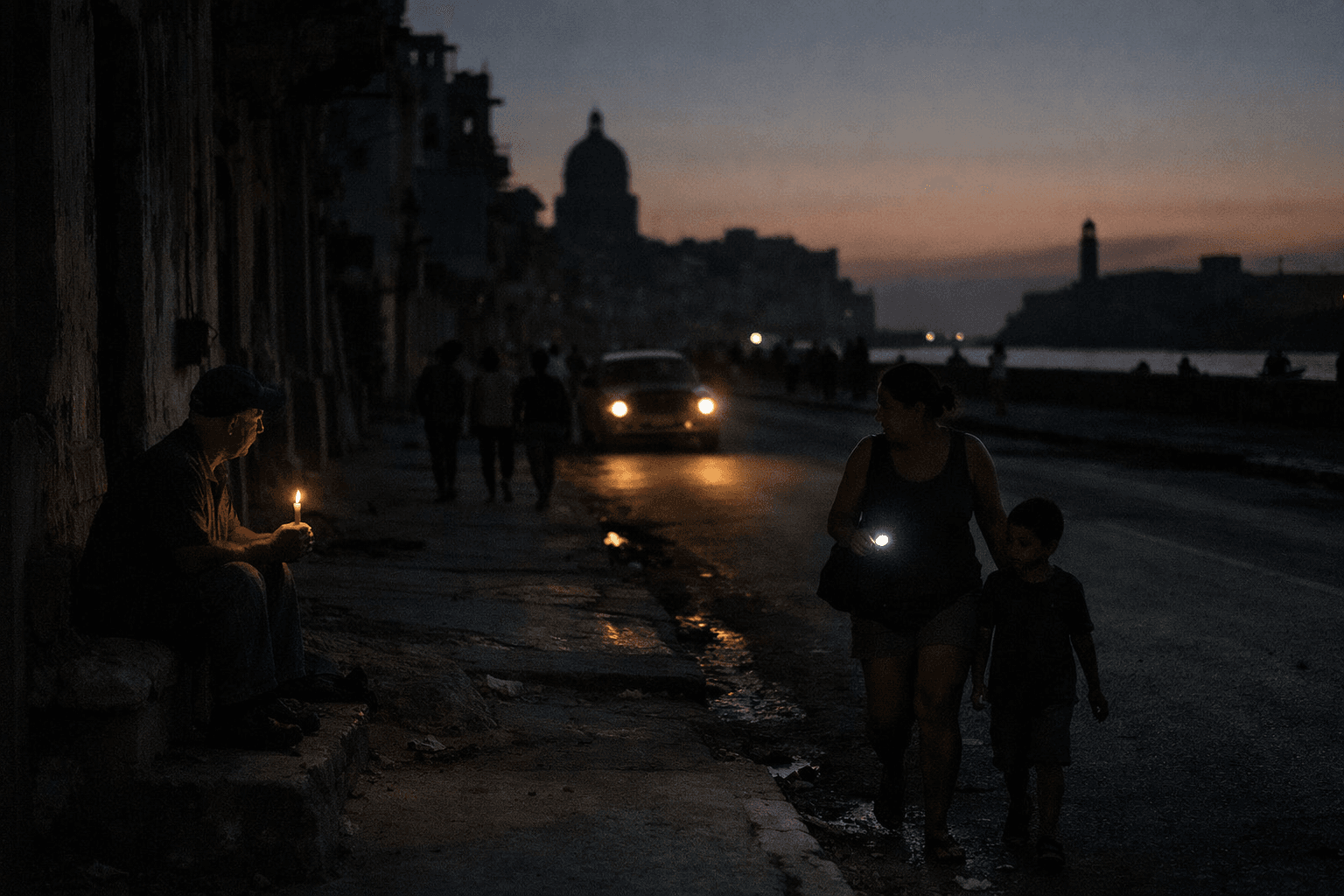
As the sun sets over Havana, the city is engulfed in an inky blackness, the streets devoid of the vibrant glow that once characterized this tropical metropolis. The US blockade, now in its sixth decade, has tightened its grip on Cuba's fragile economy, crippling the island's energy sector and plunging its people into a desperate humanitarian crisis. With fuel supplies reduced by a staggering 70%, the consequences are far-reaching and devastating, as Cubans struggle to access even the most basic services. The diplomatic standoff between the US and Cuba has its roots in the 1959 revolution, which led to the establishment of a socialist government on the island. Since then, the US has maintained a trade embargo, which has been tightened in recent years, exacerbating the energy crisis and forcing Cuba to rely on limited and expensive fuel sources.
The human cost of this crisis is stark and heartbreaking. Hospitals are struggling to maintain power for life-saving equipment, while schools are being forced to close due to lack of lighting. Farmers are watching their crops wither and die, as irrigation systems fail and livelihoods are destroyed. In Havana, a hospital reported a 30% increase in patient deaths due to lack of medical equipment and supplies, a grim testament to the blockade's deadly consequences. A family in Santiago de Cuba is struggling to access clean water, as the lack of power for water treatment plants threatens their very survival.
As the international community watches, the US is offering aid to Cuba, but only if the island nation agrees to its demands for regime change, a move that has been widely criticized as a thinly veiled attempt to exert control over the Cuban government. The implications are profound, as Cuba's economy contracts by 11% and the energy crisis deepens. The Cuban people are caught in the middle, forced to pay the price for a diplomatic standoff that shows no signs of abating. With each passing day, the lights flicker out a little more, plunging Cuba into a darkness that threatens to consume its very soul.
The long-term consequences of this crisis are dire, as Cuba's ability to provide basic services such as healthcare and education hangs in the balance. As the world waits to see how this humanitarian crisis will unfold, one thing is clear: the Cuban people are paying the price for a diplomatic standoff that seems to have no end in sight.