

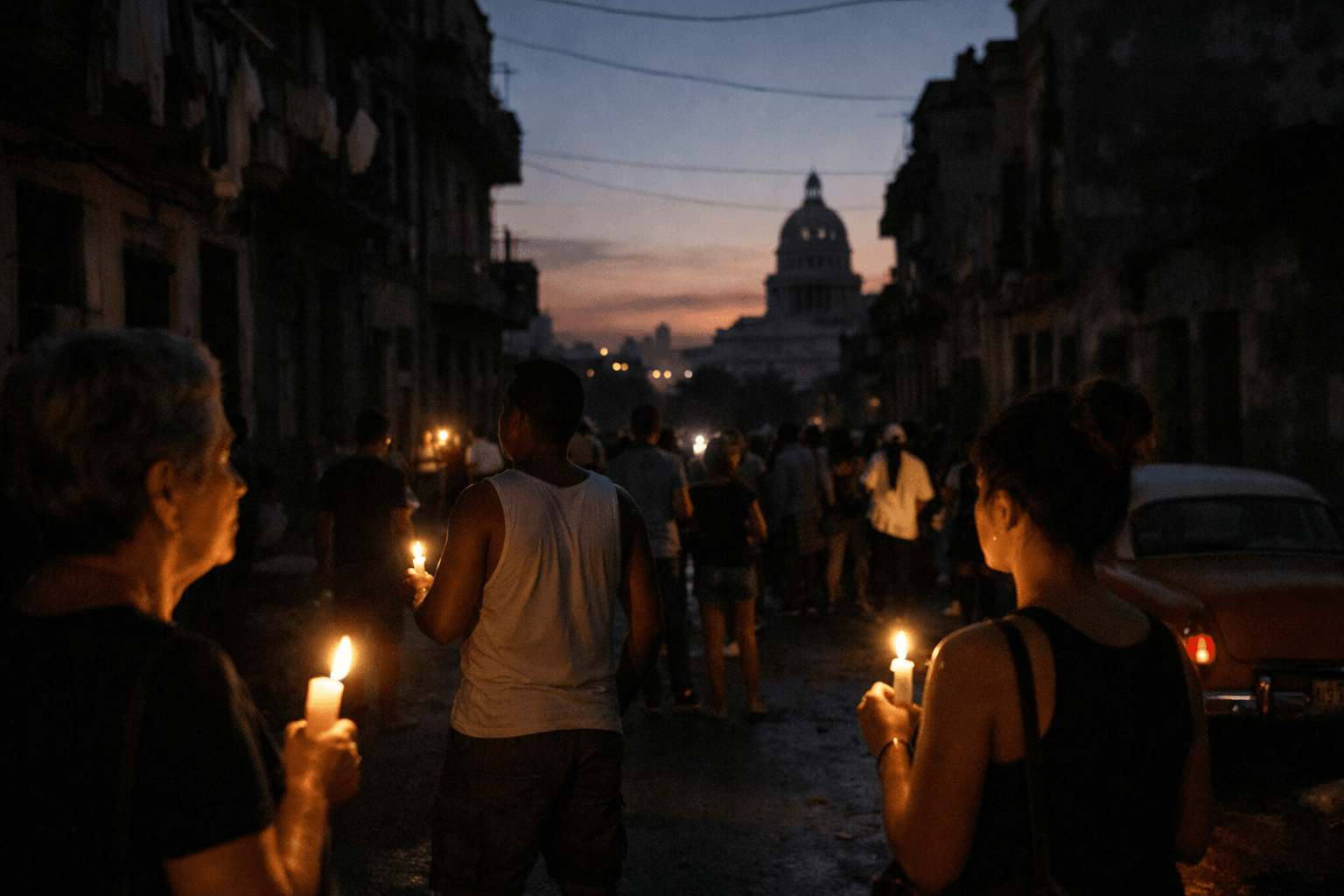
As the sun sets over Havana, the city is plunged into darkness, the result of a crippling energy crisis that has left Cubans struggling to access basic necessities like electricity, water, and food. The country's oil reserves have been depleted, and the power grid has collapsed in eastern provinces, sparking widespread blackouts and protests. With the US sanctions exacerbating the crisis, the Cuban government is facing a perfect storm of energy shortages, economic strain, and international pressure, leaving many to wonder if the country is on the brink of collapse.
Cuba has been facing a prolonged economic crisis, exacerbated by the US trade embargo, which has limited the country's access to foreign investment, technology, and resources. The energy sector has been particularly hard hit, with the country's aging power grid and limited oil reserves making it vulnerable to disruptions. The current crisis is the latest in a series of challenges facing the Cuban government, which has been struggling to maintain basic services and provide for its citizens.
The impact of the energy crisis is being felt across the country, with hospitals forced to rely on backup generators and families struggling to keep their homes cool and their refrigerators running. In Havana, protesters have taken to the streets, chanting slogans and demanding action from the government to address the crisis. The blackouts are also disrupting businesses, with many small entrepreneurs and traders unable to operate without power. As the situation continues to deteriorate, Cubans are being forced to adapt to a new reality, one in which the basics of modern life are no longer guaranteed.
The Cuban government has announced plans to ration electricity and implement other emergency measures to mitigate the crisis, but it remains to be seen whether these efforts will be enough to stabilize the situation. The US sanctions, which have restricted Cuba's access to oil and diesel, are a major obstacle to resolving the crisis, and there are few signs that the embargo will be eased anytime soon. As the lights flicker and then go out, Cubans are being plunged into a dark and uncertain future, one in which the country's very development and growth are at risk.
The humanitarian implications of the crisis are already being felt, with many Cubans struggling to access basic necessities like food and medicine. International organizations and donors are likely to play a critical role in responding to the crisis, but it remains to be seen how effective their efforts will be in addressing the underlying causes of the energy shortage. As the situation continues to unfold, one thing is clear: the fate of Cuba hangs in the balance, and the world is watching to see how the country will navigate this perfect storm of energy shortages, economic strain, and international pressure.