

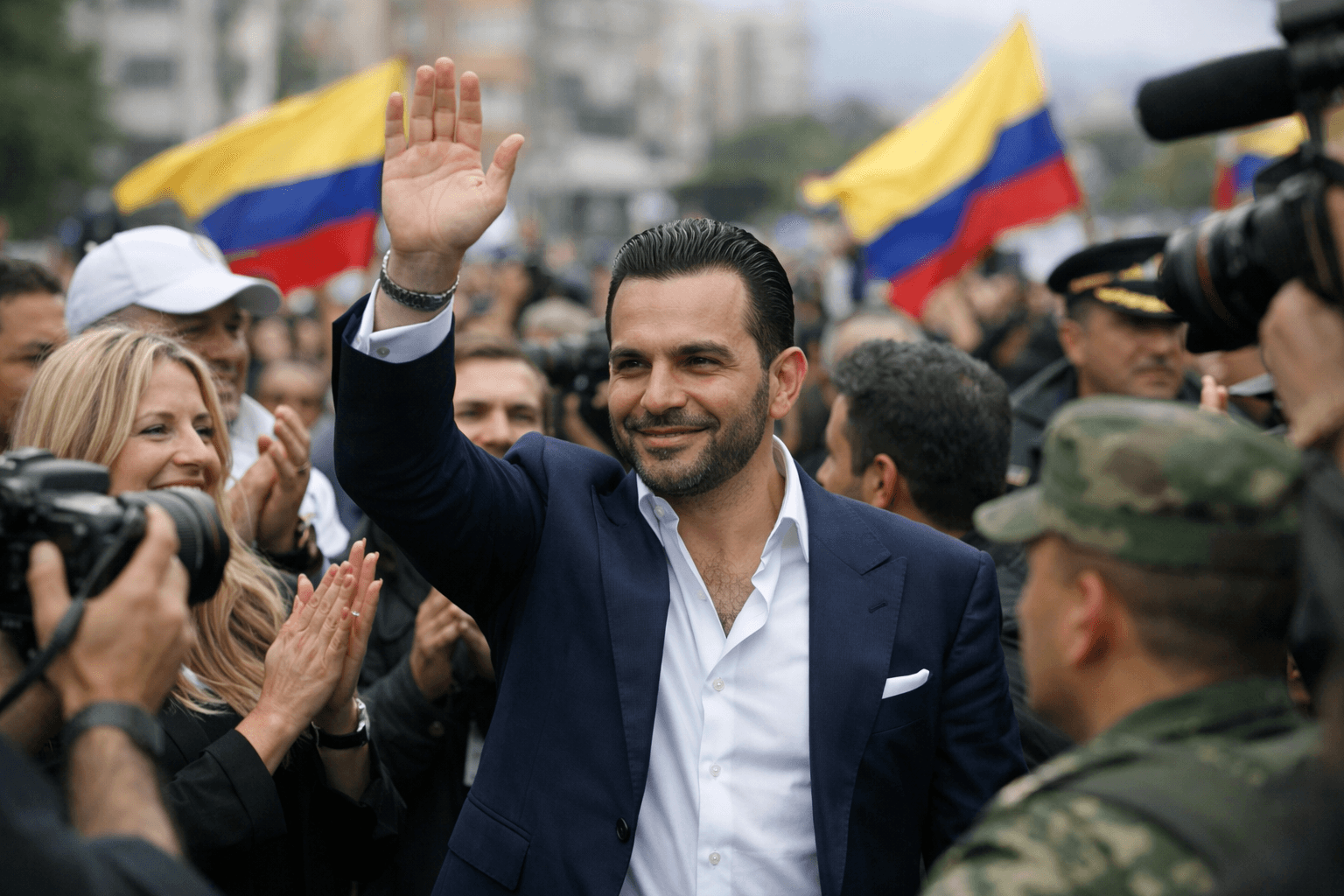
Abelardo de la Espriella, a far-right lawyer, won the first round of Colombia's presidential election, also known as the Colombia Election, with over 43% of the vote. The outcome of this election will significantly impact Colombia's approach to drug-related violence, economic policies, and social programs, affecting the lives of its citizens and the country's relationships with international allies.
De la Espriella has pledged to end talks with cocaine-trafficking rebels and instead use military force, a stance that has raised concerns among some Colombians. Ivan Cepeda, the left-wing Senator who received 41% of the vote in the first round, campaigned on pursuing the peace process and expanding social programs.
The runoff election, scheduled for June 21, will determine whether Colombia takes a hard-right turn or continues on a path of peace and social reform. President Gustavo Petro had suggested that the preliminary count software may have been tampered with, but this was rejected by the state entity overseeing public officials.
De la Espriella has been endorsed by third-placed candidate Paloma Valencia, which could potentially boost his chances in the runoff. The main policy differences between de la Espriella and Cepeda are likely to be a key factor in the election, with de la Espriella's military approach to drug-related violence contrasting with Cepeda's pursuit of peace.
The outcome of the election will affect the lives of Colombian citizens, particularly those living in areas affected by drug-related violence, as well as the country's relationships with international allies, including the United States. As the campaign for the runoff election begins, one key question is how de la Espriella's pledge to use military force against cocaine-trafficking rebels will play out, and whether it will lead to increased violence or stability in the country.