

Ceasefire on Brink of Collapse Amid US-Brokered Talks
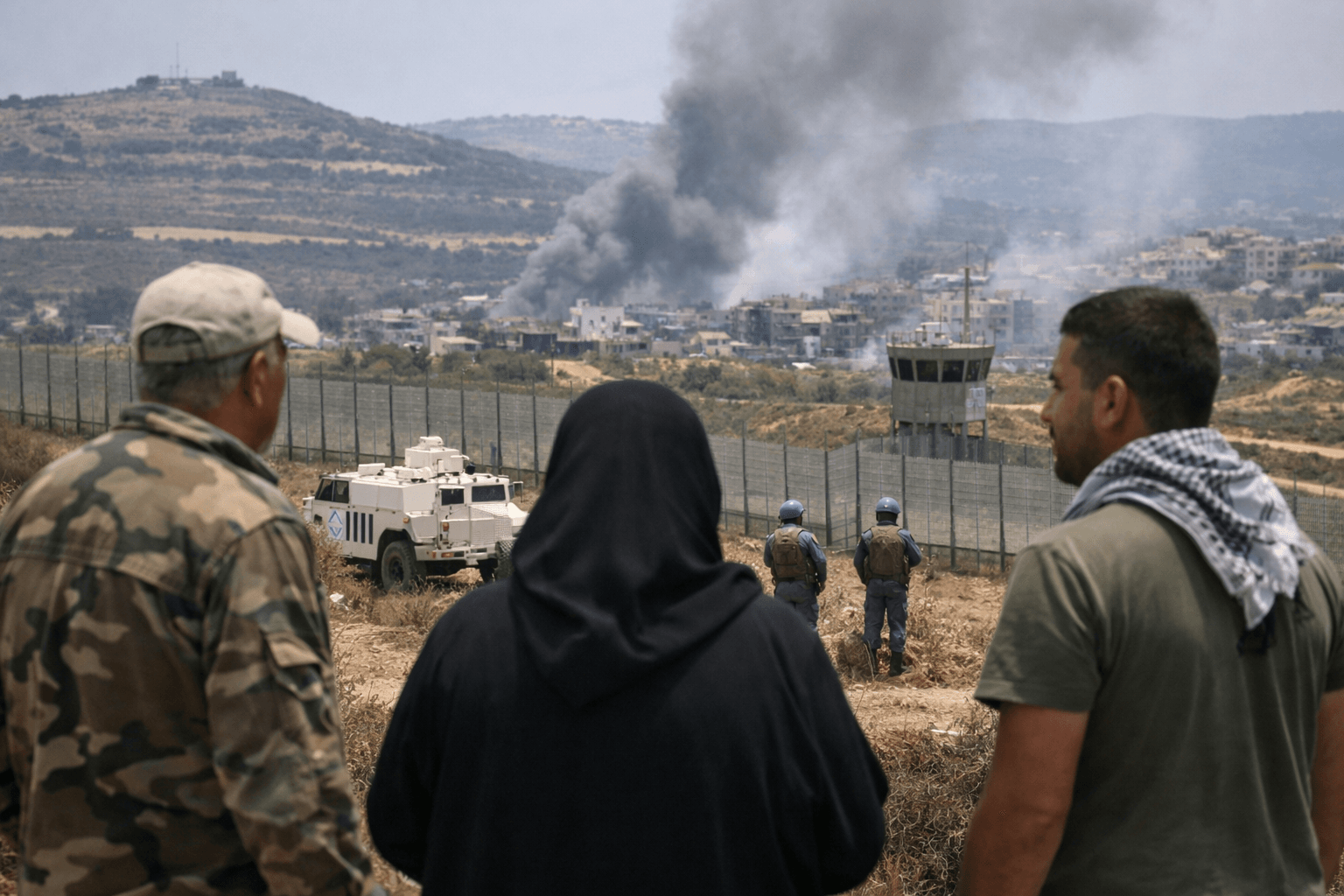
The fragile ceasefire between Israel and Lebanon is teetering on the edge of collapse, with the US-brokered talks in Washington offering a glimmer of hope for a lasting peace agreement. As the current ceasefire nears its expiration, the stakes are high, with over 2,800 people killed in Lebanon, including at least 200 children. The conflict, which began on February 28, has been marked by continued Israeli strikes, with over 400 people killed in Lebanon since the ceasefire was extended. The US ambassadors to Israel and Lebanon are leading the talks, which aim to secure a new ceasefire deal and pave the way for a lasting peace agreement. \n\n The conflict between Israel and Lebanon is rooted in decades of tension and violence, with the two countries having no diplomatic relations. The killing of a high-ranking Iranian official sparked a wave of retaliatory attacks from Hezbollah, a Shia armed group and political movement backed by Iran. The US has been seeking to broker a ceasefire and secure a lasting peace agreement, but the complexities of the conflict, including Iran's influence and other regional players, have made negotiations challenging. \n\n The key sticking points in the US-brokered talks include Iran's demand for a lasting ceasefire in Lebanon before any agreement to end the wider war. Iran has imposed control over a critical oil passageway in response to the conflict. Other countries, which are significant buyers of Iran's oil, have promised the US that they will not provide military equipment to Iran. However, their role in the conflict is complex, and their influence over Iran is significant. The US Senate's rejection of a resolution to curb the President's power to wage war on Iran has also added to the complexity of the negotiations. \n\n The human cost of the conflict is devastating, with thousands of people displaced and living in fear of Israeli airstrikes and Hezbollah retaliatory attacks. On Wednesday, 22 people, including eight children, were killed in Israeli airstrikes on Lebanon's south and east. The conflict has also had a significant impact on the global economy, with the price of oil rising sharply in response to the conflict. The international community must work to mitigate the suffering of civilians in Lebanon, and the US-brokered talks offer a glimmer of hope for a lasting peace agreement. \n\n The outcome of the talks will have significant implications for the region and the world. If a lasting ceasefire agreement is reached, it could pave the way for a lasting peace agreement and reduce the risk of further violence. However, if the talks fail, the conflict could escalate, with devastating consequences for civilians in Lebanon and the wider region. The US must navigate the complex web of alliances and interests to secure a lasting peace agreement, and the world must hope that diplomacy will prevail over violence.