

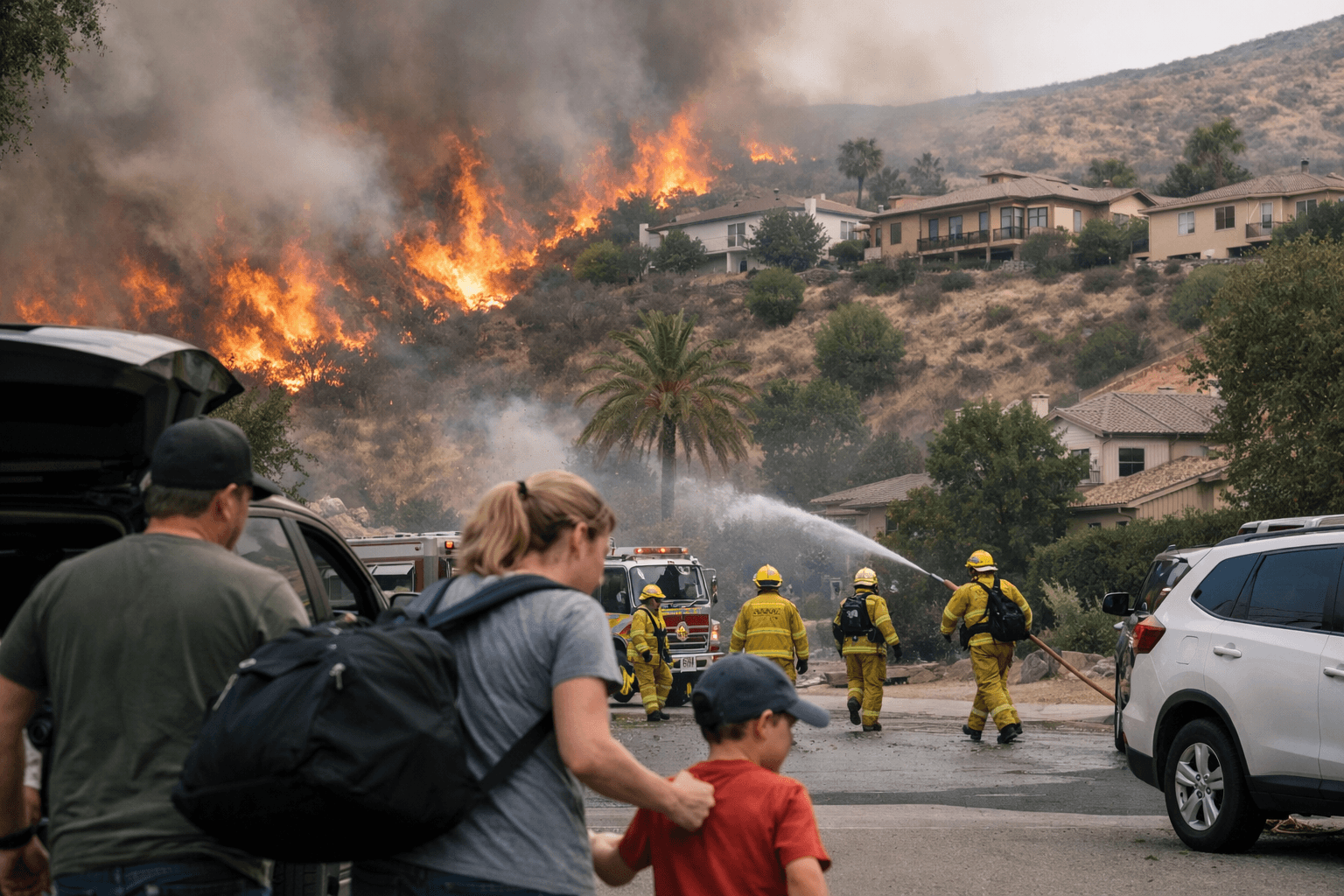
As a wall of flames engulfed the hillsides of Simi Valley, thousands of residents were forced to flee their homes, highlighting the urgent need for effective fire management and emergency preparedness in a region prone to devastating wildfires. The rapid response of firefighters and the strategic use of water-dropping helicopters have been crucial in containing the spread of the fires, but the ongoing threat to hillside homes and the evacuation of thousands of residents underscore the gravity of the situation. With the Sandy Fire spreading across 1,364 acres, the clock is ticking for firefighters to gain control over the unrelenting blazes.
California's dry climate, strong winds, and rugged terrain have long made it a wildfire-prone state, with the region experiencing some of the most devastating fires in recent years, including the 2018 Woolsey Fire and the 2017 Thomas Fire. The current wildfires are a stark reminder of the ongoing threat of wildfires in the region and the need for effective fire management, emergency preparedness, and evacuation plans. The state's history of wildfires has led to a heightened sense of awareness among residents, but the speed and ferocity of the current fires have still caught many off guard.
Approximately 750 firefighters are tackling the uncontrolled blazes, supported by water-dropping helicopters that have been dumping water on the fast-moving wildfire. The use of these helicopters has been a game-changer in the firefighting efforts, allowing crews to target hotspots and prevent the fire from spreading to nearby homes. Despite these efforts, the fires continue to rage on, threatening hillside homes and prompting evacuations. Thousands of residents have been forced to flee their homes, leaving behind their belongings and uncertain about their future. The emotional toll of the disaster is also significant, with many residents experiencing anxiety, fear, and stress as they wait for updates on the situation.
The long-term consequences of the wildfires will be far-reaching, with the environment, local ecosystems, and the economy of the affected regions all likely to be impacted. The fires will not only destroy homes and infrastructure but also damage the natural habitats of local wildlife, leading to a loss of biodiversity and ecosystem disruption. Furthermore, the economic impact of the wildfires will be significant, with the cost of damages and rebuilding likely to run into millions of dollars. To prevent or mitigate the impact of future wildfires, it is essential that effective fire management and emergency preparedness measures are put in place, including the creation of defensible spaces around homes, the implementation of early warning systems, and the development of evacuation plans.
As the situation continues to unfold, the interplay between firefighting efforts, topography, and weather conditions will determine the outcome of the disaster. With the fires showing no signs of abating, the coming days will be crucial in determining the fate of the affected regions. The clock is ticking, and the stakes are high, but with the bravery and determination of the firefighters and the resilience of the local community, there is still hope that the wildfires can be brought under control, and the region can begin the long process of recovery and rebuilding.