

Bulgaria Shifts Toward Russia as Radev Takes Lead
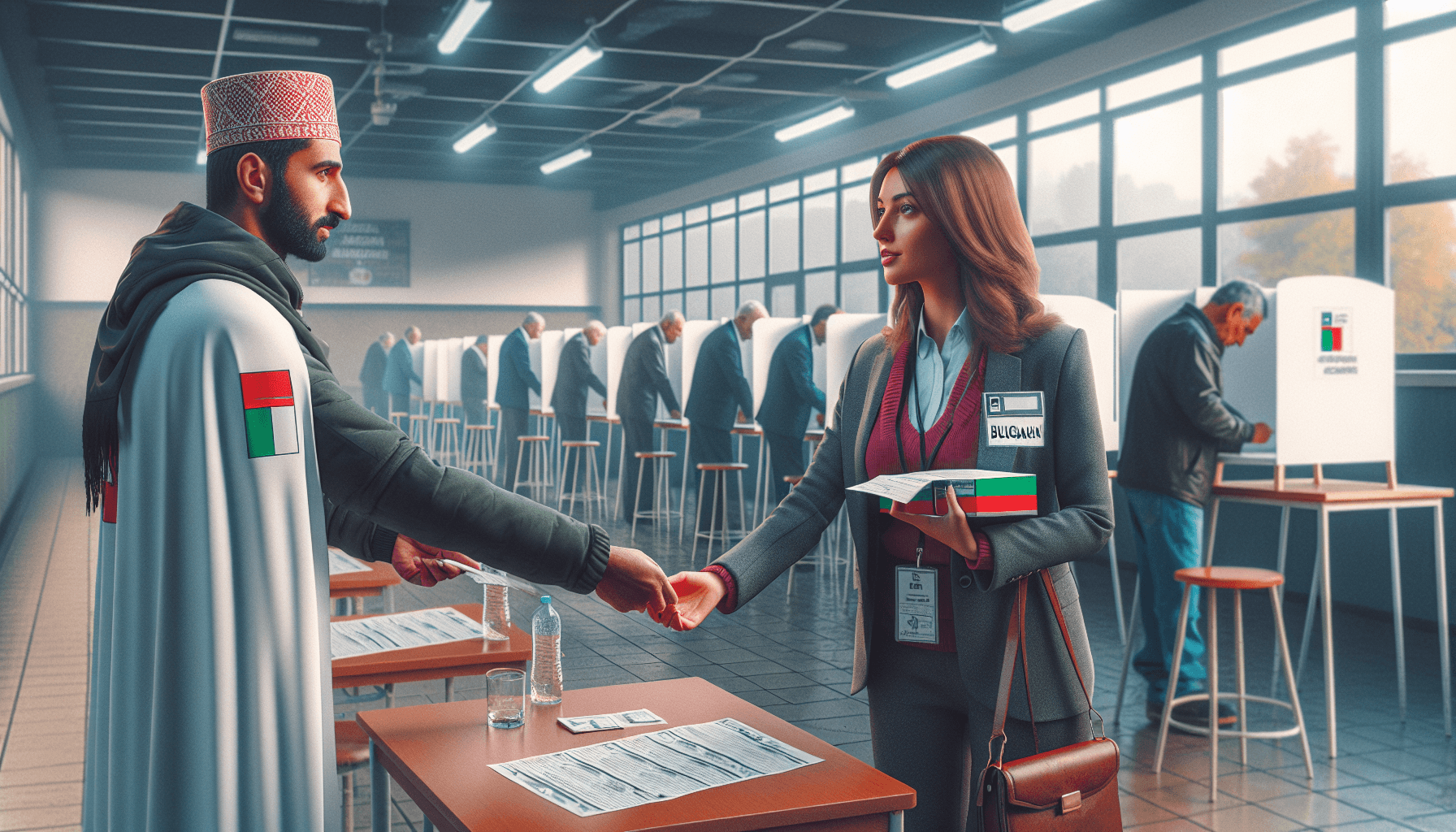
As Bulgaria's voters head to the polls for the eighth time in five years, the country is on the cusp of a significant shift in its political landscape, with Rumen Radev's Progressive Bulgaria party poised to take power and potentially realign the country's relationships with Russia and the European Union. With 45% of the vote, Radev's party is set to mark a new era in Bulgarian politics, one that could have far-reaching implications for the EU and Russia's influence within it. The outcome is a significant blow to the EU's efforts to maintain a unified front against Russian aggression, particularly in the wake of Viktor Orban's defeat in Hungary.
Bulgaria has been mired in a deep-seated political crisis since 2021, with widespread anti-corruption protests and frequent elections failing to bring stability to the country. The European Union's poorest member has struggled to find its footing, with relations with Russia being a contentious issue that has divided the nation. As the country's political landscape continues to evolve, one thing is clear: the election outcome will have significant implications for Bulgaria's position within the EU and its relationships with other European countries.
Radev's victory is expected to be met with a mix of emotions from the Bulgarian people, who have been yearning for stability and a prosperous life. For many, Radev's pledge to fight corruption and renew ties with Russia is a beacon of hope. Lazar Lazarov, a 28-year-old philosophy teacher, expressed his support for Radev, stating that "Radev's cause is for Bulgaria to have a future. We have reached a point where we are questioning the very future of our own country." However, others are wary of Radev's Kremlin-friendly stance, which has earned him accusations of being too soft on Moscow. Radev has vowed to avoid a coalition with GERB, led by Boyko Borissov, and has ruled out cooperation with Delyan Peevski, heading the DPS party, which has been sanctioned for corruption by the United States and Britain.
The implications of Radev's victory are far-reaching, with potential consequences for Bulgaria's energy sector and environmental policies. Radev has criticized the EU's green energy policy, calling it naive "in a world without rules." This stance has sparked concerns about Bulgaria's commitment to reducing its carbon footprint and transitioning to renewable energy sources. As the country navigates its relationships with Russia and the EU, it remains to be seen how Radev's policies will impact the daily lives of Bulgarians. One thing is certain, however: the election outcome will have a profound impact on the country's economic growth, job opportunities, and access to public services.
The outcome of the election will be closely watched by the international community, as Bulgaria's shift toward Russia could have significant implications for the EU's efforts to maintain a unified front against Russian aggression. As the country embarks on a new era in its political landscape, one thing is clear: the future of Bulgaria hangs in the balance, and the world will be watching with bated breath.