

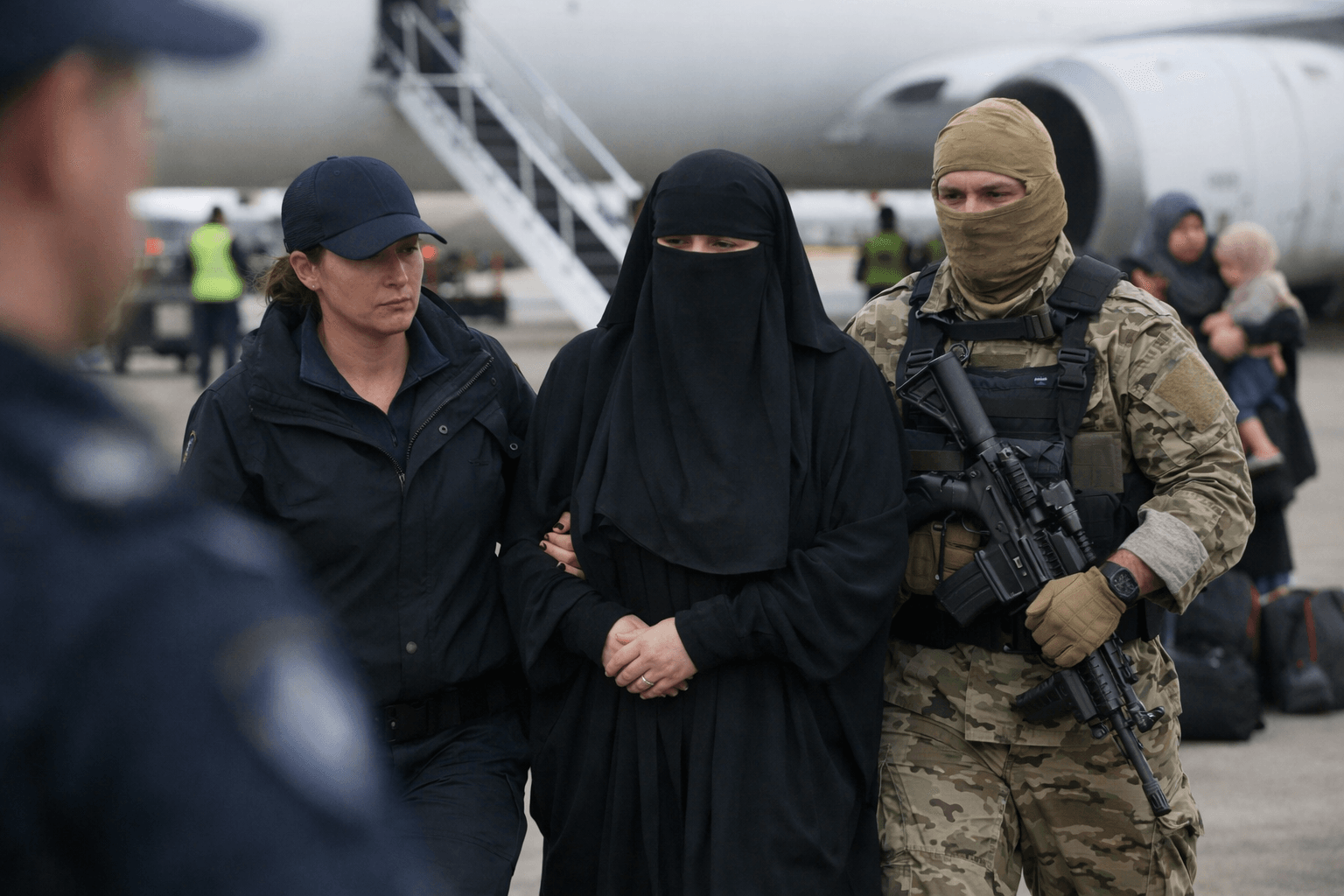
Australia is grappling with the complex issue of repatriating citizens who have been involved with extremist groups, as evident in the recent charging of a 34-year-old Australian woman with terrorism offenses for joining the Islamic State in Syria. This case highlights the delicate balance between national security concerns and the need to provide support and rehabilitation to returning citizens. The woman's case is a prime example of the challenges faced by Australian authorities, who must weigh the need to hold individuals accountable for their actions against the need to provide them with the support and services necessary to reintegrate into society. \n\n The Syrian civil war and the rise of the Islamic State have led to a significant number of foreign fighters traveling to the region, including from Australia. As the conflict has subsided, many of these individuals have been detained in camps or have returned to their home countries, posing a challenge for authorities to balance national security concerns with the need to provide support and rehabilitation. The Australian government has been working to repatriate its citizens, including women and children, who have been affected by the trauma and hardship they experienced during their time in the conflict zone. \n\n The case of the 34-year-old woman, who was detained by Kurdish forces in 2019 and held in the al-Hawl Internally Displaced Persons camp until her return to Australia in September last year, highlights the specific challenges faced by authorities in investigating and prosecuting individuals who have been involved with the Islamic State. The woman's arrest follows the return to Australia of several groups of women and children who spent years in Syrian camps, including two women who were arrested on arrival in Melbourne and charged with keeping a woman as a slave. A total of 13 IS-linked Australians, including four women and their nine children, returned to Australia from Syria this month, with none of them charged with an offense upon arrival. \n\n As the Australian government works to support the rehabilitation and reintegration of returning citizens, it must also ensure that the needs of the women and children who have returned from Syrian camps are met. This includes providing access to counseling, education, and other support services to help them overcome the trauma and hardship they experienced during their time in the conflict zone. The government must also address the broader implications of its approach to repatriating citizens who have been involved with extremist groups, including the potential impact on national security and social cohesion. The case of the 34-year-old woman charged with terrorism offenses serves as a reminder of the complex and nuanced nature of this issue, and the need for a comprehensive and multifaceted approach to addressing it. \n\n The charging of the 34-year-old woman with terrorism offenses marks a significant development in Australia's efforts to hold individuals accountable for their involvement with extremist groups. As the case moves forward, it will be important to consider the implications of the government's approach for the broader community, and to ensure that the needs of all individuals involved are being met. The outcome of this case will have significant implications for Australia's national security and social cohesion, and will serve as a test of the government's ability to balance these competing concerns.