

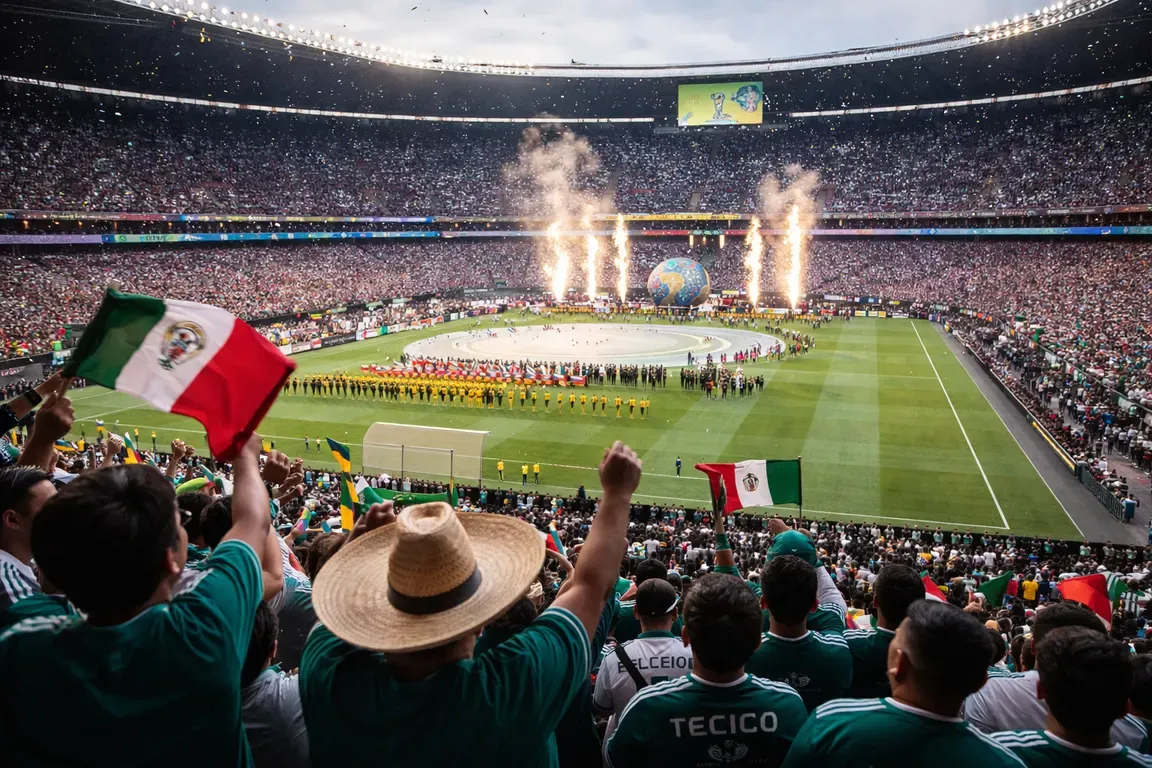
The 2026 FIFA World Cup will be the first tournament in the event's history to be hosted by three countries: the United States, Canada, and Mexico. This unprecedented move, combined with significant law changes, is expected to impact the sport and its fans. The tournament will feature qualified teams competing in groups and a schedule of matches in various stadiums across the three host countries.
The exact dates and schedule are to be confirmed, following the qualification process and preparations by the host nations. According to FIFA, the governing body behind the World Cup, the tournament's expansion and new rules will alter the game's dynamics, affecting teams, players, and spectators. The decision to host the World Cup in three countries is a first for the tournament, and its significance extends beyond the sport itself.
Law changes, explained by FIFA, include modifications to VAR, timewasting, and substitutions, aiming to improve the game's flow and fairness. With these changes, FIFA aims to enhance the fan experience and ensure a smooth tournament. The upcoming tournament will undoubtedly have a significant impact on the sport, its fans, and the teams participating.
As the 2026 World Cup approaches, fans and teams alike are left wondering how these changes will play out, and what the future of the sport will look like. The success of this historic event will depend on the ability of FIFA and the host countries to work together seamlessly, ensuring a memorable experience for all involved. The next step will be to watch how the qualified teams adapt to the new rules and the three-host-country format, and how FIFA navigates the challenges of hosting the World Cup across multiple nations.
The 2026 World Cup's historic expansion and new rules are expected to bring significant attention to the sport, with the tournament's significance and the law changes in mind. As reported by various sources, the reasoning behind hosting the World Cup in three countries and the specific impact of the law changes on the game remain somewhat unclear. However, one thing is certain: the 2026 World Cup will be a historic event that will shape the future of the sport.