

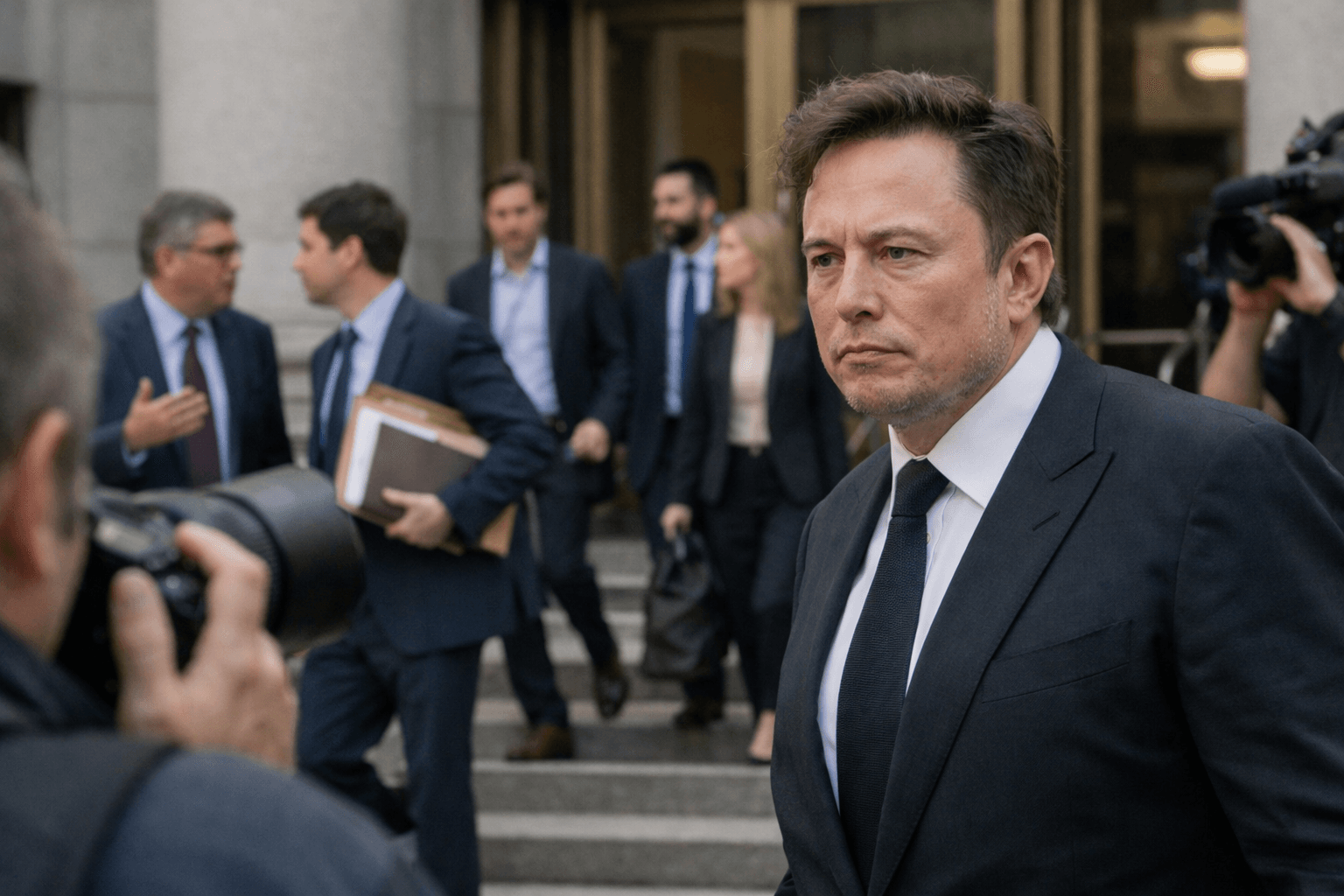
As the trial of Elon Musk vs. OpenAI reaches its climax, the tech mogul's accusations of greed and deception have sparked a heated debate over the ethics of artificial intelligence and the future of tech governance. With Musk seeking $150 billion in damages, the outcome of the trial hangs precariously in the balance, threatening to upend the AI industry and raise fundamental questions about the role of tech moguls in shaping its future. The lawsuit, which alleges that OpenAI's pursuit of profit has compromised its mission to prioritize AI safety, has already drawn widespread attention and sparked a national conversation about the ethics of AI development.
The trial is taking place amidst growing public concerns over the rapid development and deployment of artificial intelligence, with many people expressing distrust of the technology and worrying about its potential to displace jobs and compromise safety. As the AI industry continues to expand at a breakneck pace, the need for responsible governance and oversight has never been more pressing, and the outcome of the trial could have significant implications for the future of AI development and deployment.
The lawsuit centers on Musk's allegations that OpenAI's acceptance of tens of billions of dollars from investors, including Microsoft, has led to a prioritization of profit over AI safety and nonprofit values. OpenAI's lawyers, on the other hand, argue that Musk waited too long to claim breach of contract, with a three-year statute of limitations expiring before his August 2024 lawsuit. The trial has featured testimony from five witnesses, including Musk, former OpenAI board members, and former OpenAI Chief Scientist Ilya Sutskever, with Musk's lawyer accusing OpenAI CEO Sam Altman of being a liar. Microsoft, which has invested over $100 billion in its partnership with OpenAI, has also played a significant role in the trial, with a Microsoft executive testifying to the significant investment.
The implications of the trial's outcome are far-reaching, with potential consequences for the entire AI industry. If OpenAI is found to have prioritized profit over AI safety, it could lead to increased regulation of the AI industry and greater scrutiny of tech companies' practices. The trial's focus on the ethics of AI development could also raise awareness about the potential risks and benefits of AI and spark a wider conversation about the need for responsible AI development. As the verdict nears, one thing is clear: the future of AI development and deployment hangs in the balance, and the outcome of the trial will have significant implications for the tech industry and the broader public.
The trial's outcome will also have significant implications for Elon Musk's reputation and his role in shaping the future of AI development. As the owner of xAI, a competing AI company, Musk's interests in the outcome of the trial are clear, and a victory could give him a significant advantage in the AI market. However, a loss could damage his reputation and undermine his credibility as a leader in the tech industry. As the verdict nears, the world waits with bated breath to see what the future holds for OpenAI, Elon Musk, and the AI industry as a whole.