

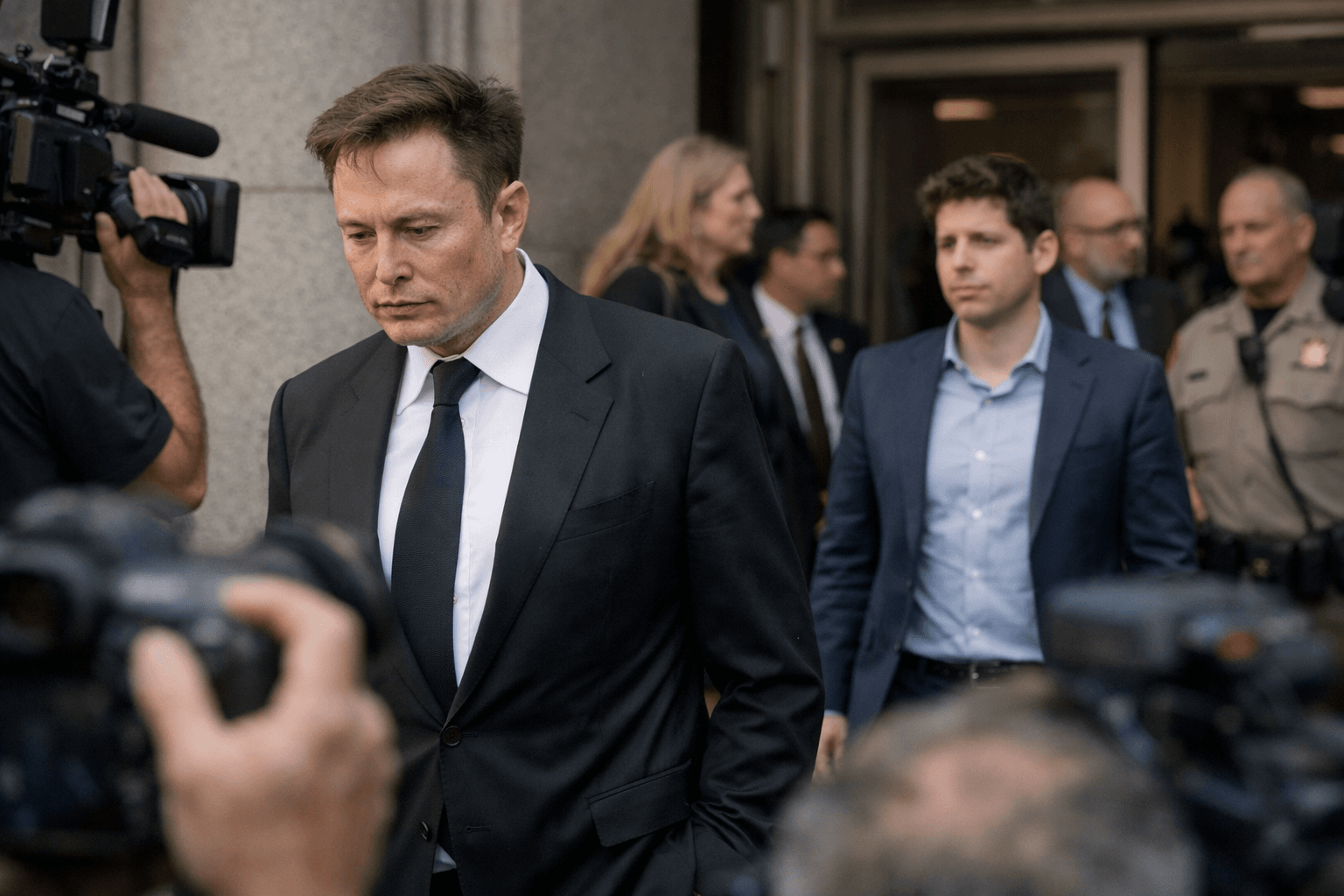
In a resounding defeat, Elon Musk's attempt to oust OpenAI CEO Sam Altman from his leadership position has been rejected by a California jury, marking a significant setback for the tech mogul and raising questions about the future of artificial intelligence development. The jury's unanimous verdict, delivered after nearly a month of hearing and viewing evidence, dismissed all claims in Musk's lawsuit against OpenAI and its CEO. This loss is the latest in a string of courtroom defeats for Musk, who has been involved in several high-profile lawsuits in recent years. As the dust settles, the implications of this verdict are only just beginning to emerge.
The backstory to this lawsuit is complex, involving the founding of OpenAI as a nonprofit organization and its subsequent shift towards for-profit ventures, including the development of the popular AI chatbot ChatGPT. OpenAI's original mission was to develop and promote friendly AI that benefits humanity, but its shift towards profit-driven ventures has raised questions about its commitment to this mission. The lawsuit was filed over claims that Altman and others had deviated from OpenAI's original nonprofit mission, with Musk seeking to oust Altman from his leadership position.
The jury's verdict has significant implications for the future of OpenAI and its role in the AI industry. With Altman's leadership position now secure, OpenAI is likely to continue its development of AI technologies, including ChatGPT, which has already shown tremendous potential in various industries. However, the lawsuit's focus on nonprofit mission and charitable intentions may also have implications for donors and supporters of OpenAI, who may be reevaluating their investments in the organization. Furthermore, the verdict may influence the direction of AI research and development, potentially impacting the jobs and livelihoods of those working in the field.
As Musk's reputation takes a hit, the tech mogul's ability to influence the direction of AI research and development may be diminished. Musk has been a vocal advocate for the development of friendly AI, and his loss in this lawsuit may embolden his critics and rivals in the industry. The verdict may also have implications for the nonprofit sector and the use of charitable funds in the tech industry, as organizations and donors reexamine their priorities and investments. With the AI industry continuing to evolve at a rapid pace, the outcome of this lawsuit is likely to have far-reaching consequences for years to come.
The future of AI development hangs in the balance, as the industry waits with bated breath to see how the verdict will shape the direction of research and innovation. As the dust settles, one thing is clear: the outcome of this lawsuit marks a significant turning point in the history of AI development, and its implications will be felt for years to come.