

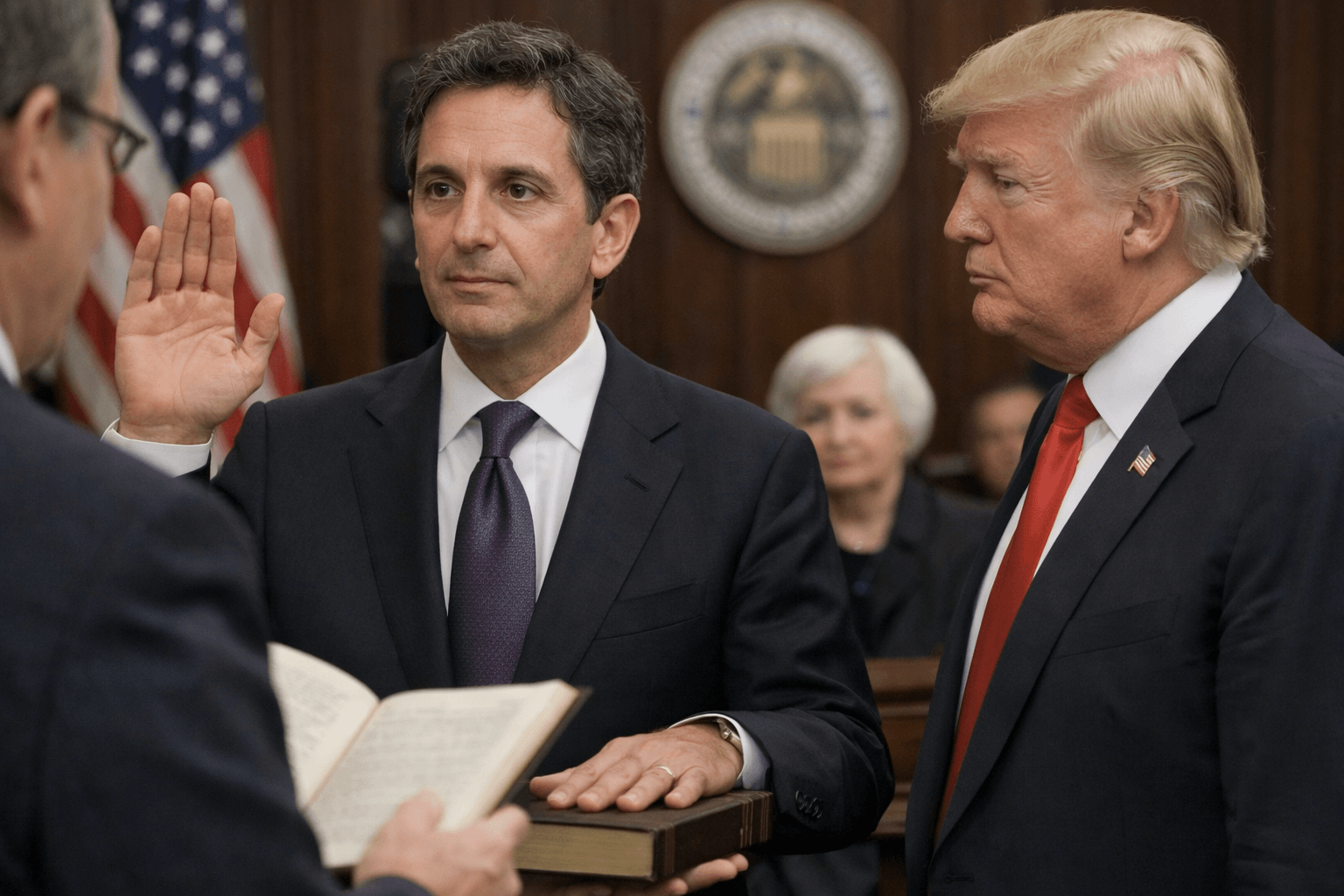
As Kevin Warsh took the oath of office as the new chair of the Federal Reserve, he was publicly encouraged by President Trump to maintain the central bank's independence. The president's words, however, may prove to be a difficult promise for Warsh to keep, given Trump's history of outspoken views on interest rates and the economy. With the Fed's independence under scrutiny, Warsh's ability to balance the central bank's decision-making process with the weight of the White House's expectations will be put to the test. The Federal Reserve plays a critical role in shaping the US economy, and its independence is essential for making impartial decisions on monetary policy. The central bank's dual mandate of promoting maximum employment and price stability requires a delicate balance, one that Warsh will need to maintain in the face of political pressure. The current economic landscape, with an unemployment rate of 3.6% and an inflation rate of 2.3%, will also pose challenges for Warsh as he navigates the complexities of monetary policy.
Warsh's background, which includes previous experience as a Fed governor and a stint at Morgan Stanley, will likely influence his approach to monetary policy and regulatory oversight. As the new Fed chair, he will lead a team of policymakers responsible for making key decisions on interest rates, which will have far-reaching consequences for individuals, businesses, and the broader economy. For example, changes in mortgage rates could affect homebuyers' ability to purchase or refinance a home, while fluctuations in borrowing costs could impact small business owners' ability to invest and hire employees. Investors may also see changes in stock market valuations, influencing their retirement savings and investment portfolios. Low-income families, meanwhile, may be affected by changes in employment rates and wage growth, which could impact their access to basic necessities like food, housing, and healthcare.
The potential implications of Warsh's leadership style and policy approach are significant, and his decisions will be closely watched by economists, investors, and policymakers around the world. If Warsh is able to maintain the Fed's independence and make impartial decisions on monetary policy, it could have a positive impact on the US economy, promoting stability and growth. However, if the central bank's decision-making process is compromised by political pressure, it could have far-reaching and potentially devastating consequences for American families and businesses. As Warsh begins his tenure as Fed chair, one thing is clear: the stakes are high, and the world will be watching his every move.